
The expiration of the New START agreement between Russia and the United States of America represents a serious blow to the already shaky global security architecture.
This is the last valid agreement that limited the strategic nuclear weapons of the world’s two largest nuclear powers, and with its termination, for the first time in more than half a century, the world is left without any formal framework for controlling the nuclear arsenal of Moscow and Washington.
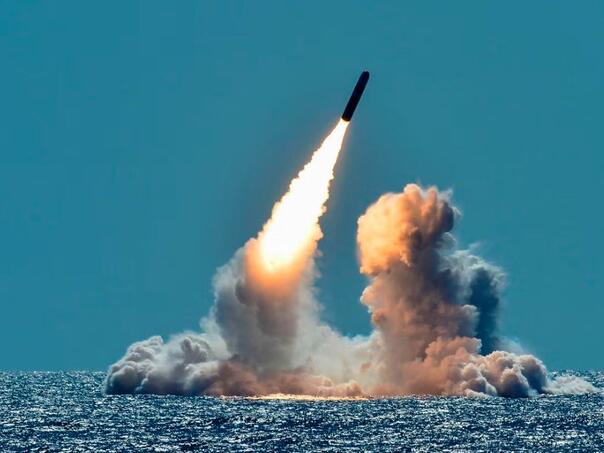
New START was signed in 2010 and limited the number of deployed nuclear warheads, intercontinental ballistic missiles and strategic bombers.
In addition to numerical limits, the agreement also included mechanisms for verification, inspections and data exchange, thereby reducing the risk of miscalculations and unintentional escalation.
Its expiration does not automatically mean a new arms race, but it opens up space for just such a scenario.
Without clear rules and mutual checks, both sides now have a free hand to increase or modernize their nuclear capabilities, further complicating an already tense global situation marked by the war in Ukraine, the crises in the Middle East and the growing rivalry between the great powers.
Of particular concern is the fact that attempts to extend the agreement, at least temporarily, have not borne fruit.
Russia claims that it offered a one-year extension to open up space for new negotiations, until a clear answer came from Washington. This missed the opportunity to at least temporarily maintain a minimum of strategic stability.
The United Nations warns that this is a “dangerous moment” for international peace, because without nuclear weapons control, the risk of misunderstandings, political blackmail and destabilization of relations between states that possess nuclear weapons increases.
The question that arises is not just whether we should be concerned, but how prepared the world is for a period without any nuclear restrictions.
If new negotiations do not begin soon, the international community could face a return to the logic of the Cold War – but in a much more volatile and unpredictable global environment.
(Vijesti.ba)


