
Although a decrease in the number of migrants on the Western Balkan route was recorded last year, this year the number of irregular migrations increased by 27 percent, according to the latest monthly report of the International Organization for Migration (IOM).
On a monthly basis, a decrease of 17 percent was recorded compared to the previous month, and around 2,500 migrants were registered in the entire region last month.
The largest number of registered migrants was recorded in Bosnia and Herzegovina. According to IOM data, 1,157 migrants are registered in BiH, that is, almost half of the total number in the countries of the Western Balkans. Compared to the previous month, this represents a decrease of approximately one third.
In second place is North Macedonia with around 500 registered migrants, followed by Serbia with around 350, while significantly smaller numbers were recorded in the other countries of the region.
Bosnia and Herzegovina also leads in terms of the number of newly registered migrants, as almost half of all newly arrived persons are registered in that country.
The most numerous among the newly registered migrants in Bosnia and Herzegovina were citizens of Sudan, who make up about 16 percent of the total number. Migrants from Bangladesh and Egypt follow.
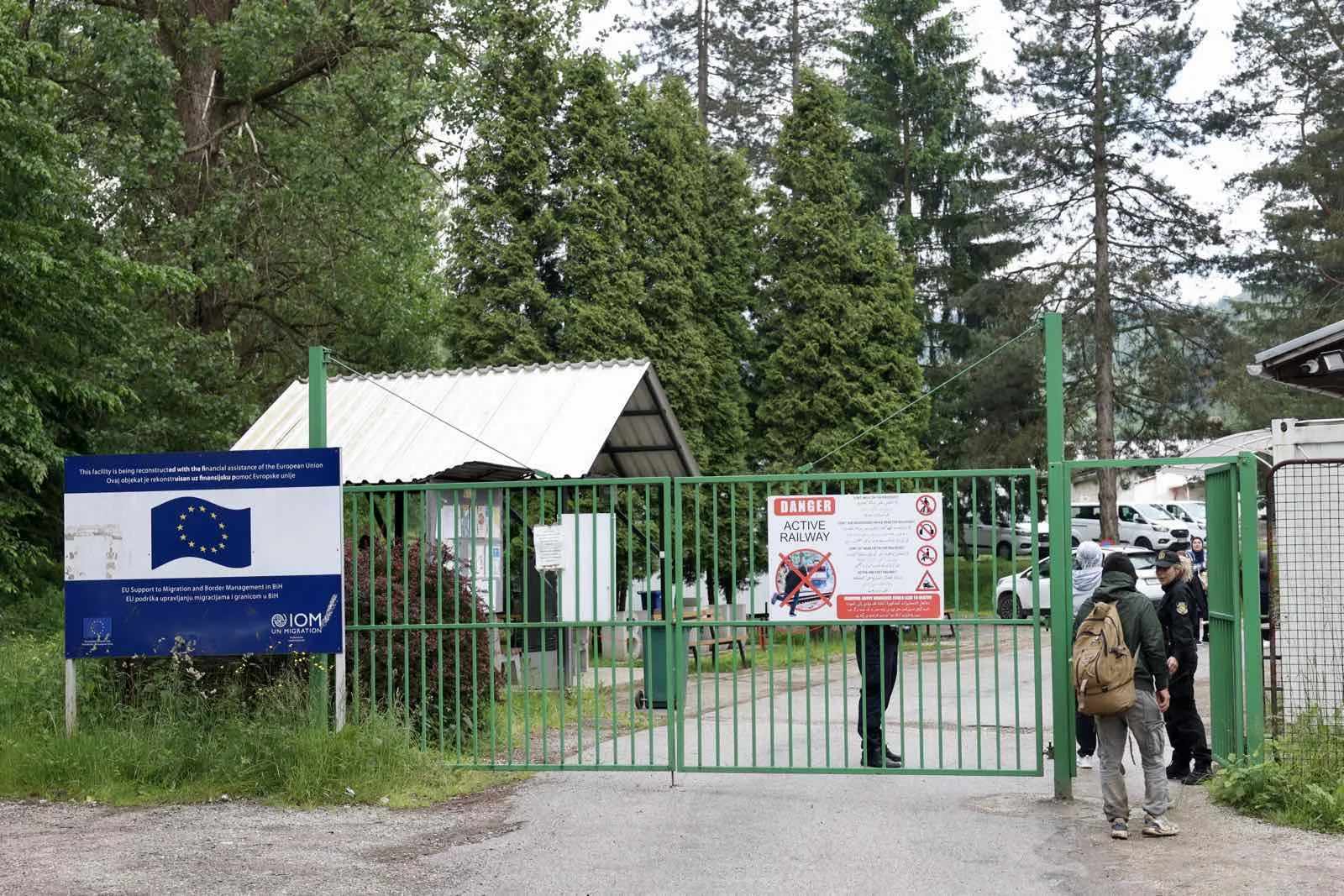
According to IOM data, Bosnia and Herzegovina has six reception centers with a total capacity of about 5,000 places. Serbia has 12 centers, but with a smaller total capacity of about 3,000 places.
The data also show that a similar pattern of migratory movements repeats itself from year to year. The lowest number of newly registered migrants is recorded in January and February, after which the number of arrivals increases during the spring. The peak of the migration wave is most often recorded at the end of summer and during autumn, before it starts to decline again.
The IOM states that all the countries of the Western Balkans currently have accommodation capacities that exceed the number of migrants in them. Avaz.


