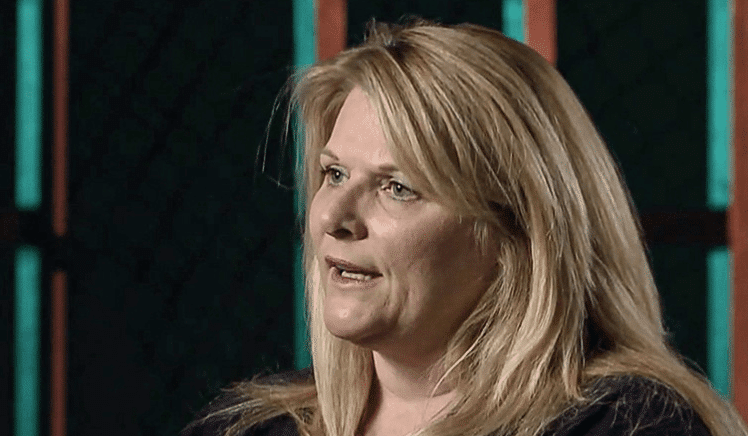
American policewoman of Croatian origin Kathryn Bolkovac exposed more than two decades ago how members of international missions participated in the system of trafficking in women in post-war Bosnia and Herzegovina. Because of this, she was fired, and the key questions of responsibility that were opened at that time still remain without a clear answer.
During the 1990s, Bolkovac worked in the police of the federal state of Nebraska, before at the end of the decade she was hired as an international police officer in BiH as part of the United Nations mission, within the International Police Force (IPTF). She worked in the country as an employee of the private company DynCorp, which provided police personnel for the needs of the UN mission.
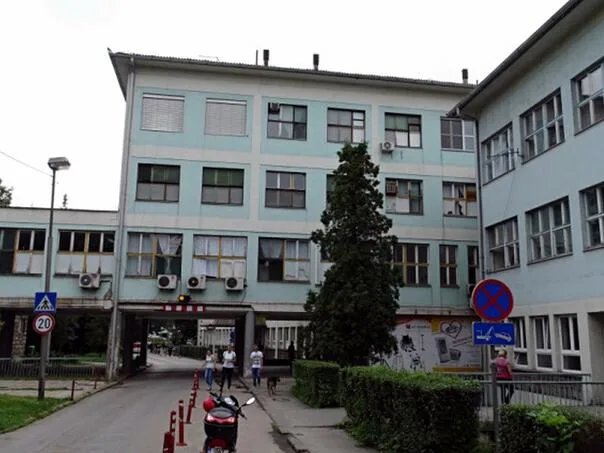
Bolkovac was sent to Sarajevo where she worked as a human rights investigator for three months. She was then transferred to Zenica to work on a specialized case focused on the fight against violence against women.
A bunch of brothels scattered across Bosnia and Herzegovina
In Zenica, she discovered the first case of human trafficking. After a woman who escaped from a brothel was brought to her office, Bolkovac connected a series of similar “clubs” visited by international officials and realized the scale of trafficking in women.
“Used condoms were scattered on two mattresses on the floor, as if they had been gang-raped there,” she said, as reported The Independent.
Investigations have shown that victims of human trafficking in Bosnia and Herzegovina mostly came from Eastern European countries, mostly Moldova, Ukraine and Romania. The girls were lured with promises of jobs as waitresses, but were then delivered to brothel owners who confiscated their passports.
If they refused, they were beaten, locked in rooms without food for days, and gang-raped by the bar owners and their associates, the text says. The Guardian. Some of the victims were as young as 12 years old.
Among the clients, according to Bolkovac and numerous reports of human rights organizations, were members of the IPTF, as well as other international officials.
It was not the first time such accusations were made. Ben Johnston, also a DynCorp employee, has filed internal complaints about the behavior of his colleagues in Bosnia, according to an independent organization International Code of Conduct Association (ICOC).
One of the DynCorp supervisors, whom Johnston initially approached to uncover the problem, later admitted to raping the two girls and caught him on video. It is estimated that approximately 30-40% of the clients and almost 70% of the proceeds of human trafficking in Bosnia came from international personnel, including SFOR (Stabilization Forces), UN police and other international and humanitarian workers.
A man in Ilidža “bought” a woman
Bolkovac is for Human Rights Watch stated that an American international police observer admitted that he “bought” a woman in Ilidža, for which he paid several thousand German marks.
“He admitted to me that he did it. He had her for at least a few months. He paid her about 6,000 German marks and paid off her contract. She was either Romanian or Moldovan, they met in a bar. He was an uneducated guy who thought he was doing her a favor and bought her,” said the Human Rights Watch report.
Scandal in Prijedor
Particularly illustrative was the case from Prijedor in 2000, when members of the IPTF, with the support of SFOR, the NATO-led stabilization force, raided several brothels and freed dozens of women who were suspected of being victims of human trafficking.
The scandal followed soon after, when some of the freed women stated that among their clients were the employees of those organizations who participated in the operation. Six members of the IPTF were returned to their home countries for “exceeding their powers”.
“Do not read this if you have a weak stomach or a guilty conscience”
Bolkovac warns that serious investigations were often not even carried out, and proceedings would be quickly stopped as soon as someone was suspected.
That is why she sent an e-mail to the members of the UN mission in BiH, more than fifty of them, including Jacques Paul Klein, the special representative of the UN Secretary General. In the message, entitled “Do not read this if you have a weak stomach or remorse”, she described in detail the routes of human trafficking and the way the networks function in Bosnia and Herzegovina.
First transferred and then fired
The then deputy commissioner of the IPTF, Mike Stiers, called Bolkovac to his office and informed her that she would soon be transferred to the regional office in Sarajevo and temporarily removed from work related to human rights. Bolkovac considered that move a demotion.
The day before the transfer from the office at the headquarters of the mission, Bolkovac compiled an internal investigative report in which she presented allegations about the involvement of part of the international staff, including members of SFOR, IPTF and local police, in the system of human trafficking.
“They were supposed to be there to help, but they were committing crimes themselves. When I told my superiors, they didn’t want to know,” her statement was reported by the non-governmental organization. Global Policy Forum.
In April 2001, DynCorp fired Bolkovac, citing falsification of time records. She, however, claimed that she was fired for blowing the whistle.
She won the lawsuit
She sued the company and an employment tribunal ruled that DynCorp had unfairly dismissed her and the company was ordered to pay her £110,221. “It is difficult to imagine a case in which a company acted in a more callous, spiteful and vindictive manner towards a former employee,” said presiding judge Charles Twiss.
Let’s also say that the mentioned Johnston was also fired, but his court case was settled with a settlement in 2002.
As reported by The Guardian, during the hearing the company admitted that three employees were fired for using prostitutes. Allegations were made in court about the involvement of certain high-ranking officials of the international police in visiting brothels linked to human trafficking.
Although DynCorp was aware of the actions of its employees and tolerated them in practice, the company retained its contract with the US government for work in Bosnia and Herzegovina.
No one has been prosecuted for human trafficking
No member of the UN police or DynCorp employee has been prosecuted for human trafficking in Bosnia. Instead, they were repatriated. There was confusion about who had the power to prosecute.
According to the ICOC, since the US military did not have jurisdiction over the civilian contractors, the case was transferred to the Bosnian police. However, the Bosnian police were not sure whether immunity under the Dayton Peace Agreement applied to these contractors and therefore did not prosecute them. As for DynCorp, they fired seven of their employees for buying women, including underage girls.
Internal affairs investigators described how certain investigations were slowed, lost or even halted as they progressed through the chain of command. The UN Office for Internal Oversight has concluded that there is no evidence of widespread or systematic involvement of international police observers in human trafficking, according to the Human Rights Watch website.
A film was also made about the Bolkovac case
Kathryn Bolkovac is the co-author of the book The Whistleblower: Sex Trafficking, Military Contractors, and One Woman’s Fight for Justice, which she wrote together with journalist Cari Lynn, in which she describes exposing human trafficking and her own fight against the system.
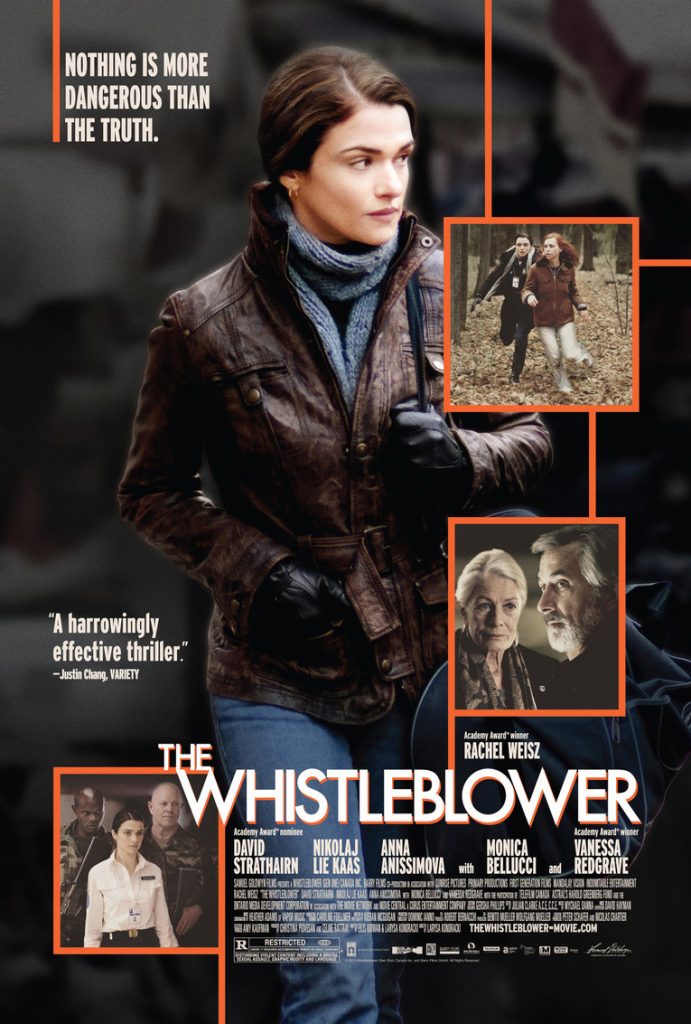
Photo: Wikipedia
The story was turned into the movie The Whistleblower, released in 2010, starring Rachel Weisz. The film additionally drew international attention to the problem of human trafficking and responsibility within peacekeeping missions.
After the screening, then UN Secretary General Ban Ki-moon opened a panel discussion on sexual exploitation and abuse in conflict and post-conflict societies. Representatives of the UN and the authors of the film took part in the discussion, emphasizing the seriousness of the topics covered by the film.
Nominated for the Nobel Prize
Kathryn Bolkovac was nominated for the Nobel Peace Prize in 2015 for her role in exposing human trafficking and advocating for accountability within international missions. She continued to act in the fight against human trafficking and violence against women as a public speaker on ethics and corruption.
“What happened in Bosnia is simply terrible. No one was held accountable. Due to the publication of my findings, I never got a job in any of the international organizations again, I paid a high price for advocating the truth, and those who were guilty escaped unscathed. The private company that hired me for the job in Bosnia continues to work for the UN in Iraq and Afghanistan,” Bolkovac said at the time.
(TYPE/Source: Index.hr/Author: Bright Salvia/Photo: screenshot YouTube)