In the first two stages, the International Football Federation (FIFA) sold almost two million tickets for the World Cup, which will be held this summer in the USA, Canada and Mexico, and the demand was so great that the number of requests for tickets was exceeded more than 30 times.
In order to put this “hunger” for tickets into perspective, FIFA announced interesting information that ticket requests were 3.4 times higher than the total number of spectators who attended the 964 matches in the last 22 editions of the World Cup.
Residents of the three host countries understandably bought the most, followed by fans in England, Germany, Brazil, Colombia, Spain, Argentina and France.
FIFA has not yet announced the data for the third phase, while the next phase of ticket sales will open after the playoffs in March, when we will find out the last four travelers to the World Cup.
Ticket prices are becoming as important a topic as the matches themselves. The face value of the ticket for the final on July 19 in East Rutherford starts from $2,030 to $6,370a significant jump compared to the 2022 World Cup finals in Qatar, where prices ranged from $206 to $1,607.
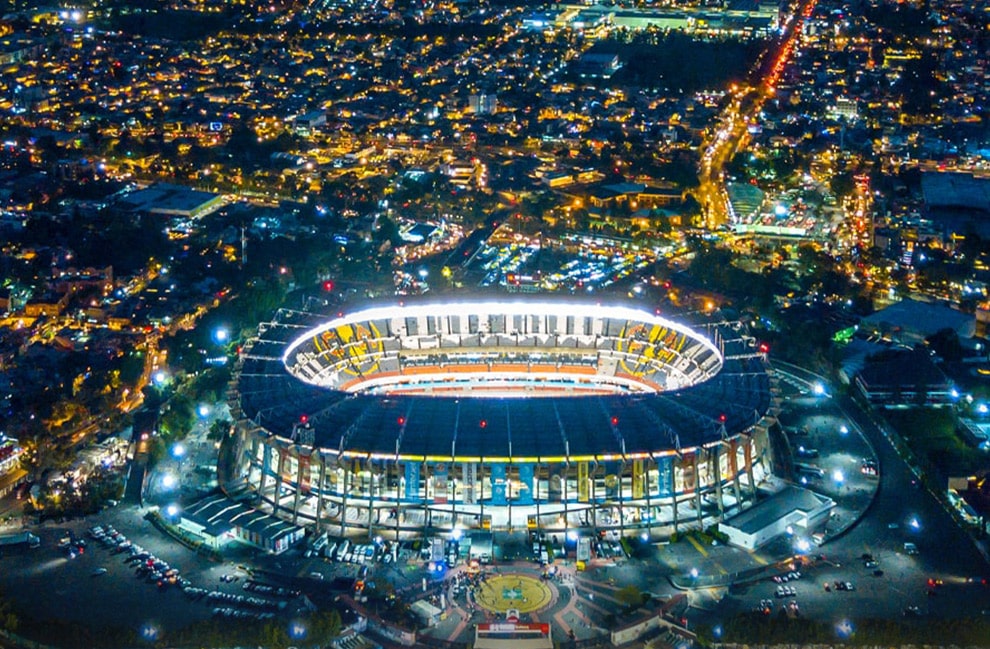
Tickets for the first leg on June 11 at the Azteca Stadium in Mexico City start from $560 to $2,735while the prices of other group stage matches are in between 100 and 575 dollars. The nominal value of tickets for the round of 16 starts from $220 to $890while the quarter-final matches start from 410 dollars and reach 1,690 dollars. Ticket prices for the semi-finals start from $455 to $2,780.
Due to the backlash against the exorbitant prices, FIFA decided to introduce a small number of $60 “Supporter Entry Tier” tickets. These tickets cover all 104 matches of the tournament, but the general public seats are located high up in the upper corners of the stadium and are very limited compared to other categories.
View this post on Instagram
FIFA is using it for the first time dynamic pricing at this year’s World Cup, leaving many fans confused, frustrated and turned off from the world’s biggest sporting event.
The concept of dynamic pricing, sometimes called variable pricing, is a system that allows the price of tickets to fluctuate based on a variety of factors, including real-time demand, inventory, and event popularity.
This means that the ticket price for the same match and seat category can rise and sometimes falldepending on how many people want it and how fast tickets sell. Dynamic pricing is also often seen in airline ticket prices and hotel room rates during the holidays, as well as in the music industry, especially for high-demand events.
FIFA has advised fans who resell tickets to use their official platform because it is safe and transparent, and the organization charges 15% of the total price when buying tickets and 15% fee for reselling or exchanging tickets.
A ticket can be offered at a higher resale price, potentially well above face value, if the seller so chooses, as demand for major matches, limited supply and market speculation can drive resale prices well above the original purchase price.
However, residents of Mexico may only sell their tickets for no more than the original purchase price, but such sale restrictions do not apply to residents of Canada or the United States.
It is legal to resell tickets in the US. This was not the case at previous world championships. The resale market is extremely hot. Tickets are extremely popular. Despite the price, ticket sales have been phenomenal for FIFAsaid Michael Edgley, director of the Australian agency Green and Gold Army Travel.
(Hina | Photo: X)