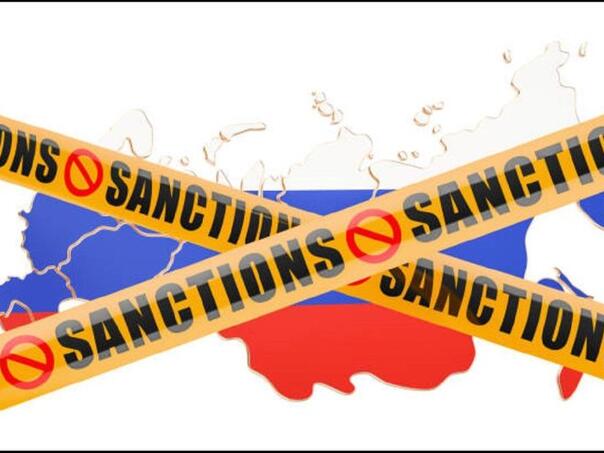
These measures were introduced to “prevent espionage and the spread of disinformation”.
According to the new rules, when traveling through the Schengen area, Russian diplomats and consular officers must notify the country of their destination as well as all transit countries at least 24 hours before the trip, and the same applies to their family members.
EU members can also introduce a procedure for submitting applications for entry or transit authorization to be able to ban “suspicious movement of Russian diplomats”, while travel within the host country does not need to be registered.
The decision to withdraw diplomatic status as a possible punishment for violating these measures was formally adopted in October last year as part of the package of sanctions against Russia.
The EU announced that the measures are being implemented because some of the individuals involved “participate in intelligence operations for Moscow, including espionage and spreading disinformation about the war in Ukraine.”
Until now, Russian diplomats were mostly allowed to travel freely throughout the EU, DPA reminds.
Eastern EU countries have criticized this privilege for years, but other members feared that the travel restrictions could trigger countermeasures for European diplomats in Russia, reports Srna.
(Vijesti.ba / Fena)