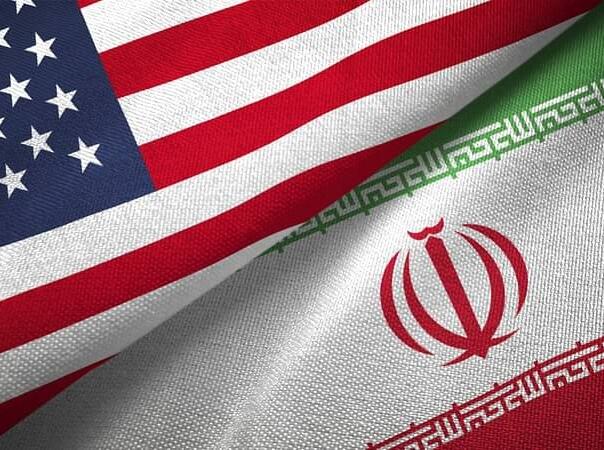
The United States and Iran concluded on Sunday in Muscat Fourth Circle of Nuclear Negotiations, but although representatives of the two countries did not report progress, they expressed cautious optimism.
In the midst of increasing American opposition to Iranian enrichment Urania Iranian Foreign Minister Abas Arakci and the American Envoy for the Middle East Steve Witkoff held a new circle of conversations with the mediation of Omani.
The talks were held on the eve of the Middle Eastern tour of the US President Donald Trump, as part of 13. to 16. May visit Saudi Arabia, Qatar and United Arab Emirates.
– The fourth round of indirect negotiations between Iran and the United States is over. The talks were difficult, but useful for a better understanding of mutual attitudes and finding reasonable and realistic ways to overcome the differences, written by the Spokesperson of the Iranian Foreign Ministry of Esmail Baqhai on the X platform.
– We are encouraged by the results of today’s conversations and we look forward to our next meeting in the near future, said a senior American official who wanted to remain anonymous. According to him, discussions “that were also direct and indirect this time, lasted for more than three hours.”
Just before talks, Arakchi said he re-told the right to his country to enrich the Uranium “indisputable”.
Steve Witkoff has been warned on Friday that the Trump administration will oppose every enrichment of Urania.
– This means dismantling three plant for enriching Urania in Natanz, Ford and Isfahan and the ban on weapons, said Witkoff for the Conservative Media Breitbart News.
When the negotiations are, “they will not be productive on Sunday will not continue and we will have to start the other way,” he warned.
The aim of the conversation is to conclude a new agreement to prevent Iran in the procurement of nuclear weapons, which Tehran has always denied, in exchange for the abolition of sanctions paralyzing the Iranian economy.
Iran is currently enriching Uranus up to 60 percent, which is significantly above the 3.67 percent border set up by an agreement from 2015, while military use requires a level of 90 percent.
(Vijesti.ba)