
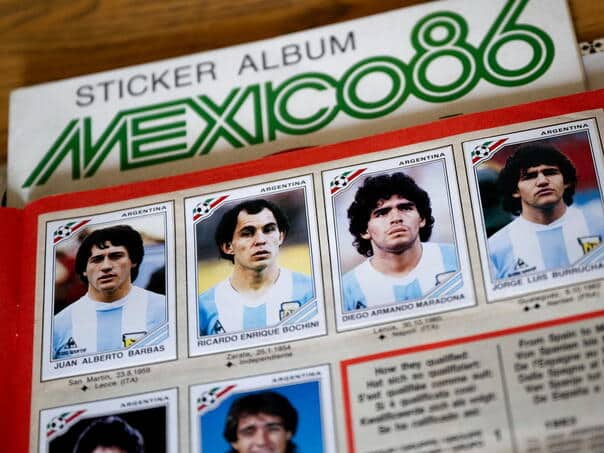
The contract, which will fully enter into force in 2031, covers both physical and digital collectibles.
With this move, the decades-long cooperation with the Panini company, whose icons have been marked by generations of football fans, ends. The financial terms of the deal have not been disclosed, but a source familiar with the deal says it covers “multiple cycles” of the World Cup.
An example of the product innovation that will be introduced to fans as part of this new partnership is the highly sought-after player kit patch programme, including debut patches, which will be inserted into trading football cards from 2031 onwards. All products will be designed and developed by Fanatics Collectibles and manufactured under the Topps brand.
As part of the deal, Fanatics will bring magic to youth in all regions of the world and support youth soccer globally by distributing more than $150 million worth of collectibles for free over the life of the partnership.
“Across the sporting world, we see Fanatics fueling massive innovations in collectibles that provide fans with a new, meaningful way to interact with their favorite teams and players,” said FIFA President Gianni Infantino.
“So from FIFA’s point of view, we can globalize that fan interaction precisely because of our global portfolio of tournaments. And that provides another important commercial revenue stream that, as always, we channel back into the game, into football.”
Panini’s license for FIFA World Cup icons has run continuously since 1970, and the 2026 and 2030 World Cups will be the last. Topps has already acquired from Panini the UEFA license for the 2024 and 2028 European Men’s Championships, the 2025 Women’s European Championship and the Nations League finals until 2028.
“This is truly a historic day in our company’s history. Global soccer is the biggest growth opportunity in sports, and when you combine the strength of FIFA with the innovation and entrepreneurial backbone of Fanatic, together we are poised to elevate the storytelling and collectibles around the game in a way that has never been seen before,” said Fanatic Founder and CEO Michael Rubin.
According to The Athletic, Panini generated $720 million in net sales from its 2022 World Cup products, and projects revenues of $1.48 billion and $1.5 billion for the 2026 and 2030 championships, respectively.
But with the loss of key licenses, Panini’s future is becoming increasingly uncertain. The companies are already locked in a lawsuit in which Panini accuses Fanatics of anti-market behavior and monopolizing the sports card industry after it signed exclusive contracts with the NBA and NFL, which were previously held by Panini.
(Vijesti.ba)



Chat readers
Open a chat for this news