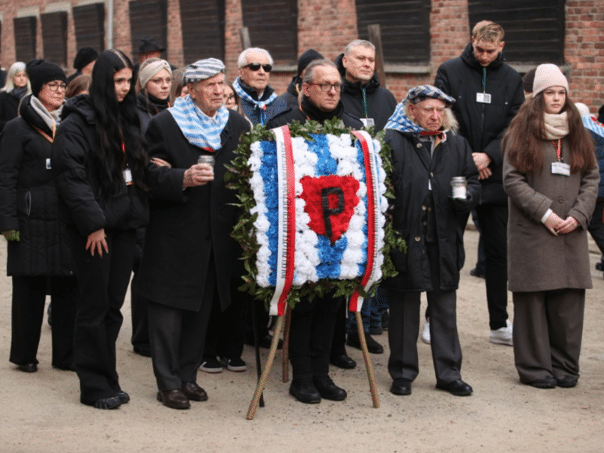
Holocaust Remembrance Day, 81 years since Germany’s largest Nazi death factory, Auschwitz-Birkenau, was liberated by Red Army soldiers, is dedicated on this anniversary only to the voices of survivors, for the first time without any addresses statesmen, politicians or heads of national delegations.
“After the 80th anniversary of the liberation of the camp, we all see that memory is a great gift of the survivors that was often underestimated before. In it we can see much-needed support, wise warnings, necessary safety mechanisms and timeless lessons. That is why this year and future anniversaries will concentrate on the words of the survivors,” announced this year’s commemoration without the voices of politicians, the director of the State Museum of the former German Nazi camp Auschwitz-Birkenau, Pjotr Civinjski.
81 years since Auschwitz was liberated.
81 years since the world was forced to face the depths of human cruelty.
We remember the six million Jews murdered. We honor the survivors and we carry the duty to ensure that “Never Again” is not just words, but a promise. pic.twitter.com/MIcteia61T
— European Jewish Congress (@eurojewcong) January 27, 2026
The main dignitaries of the largest death camp, which Hitler’s Nazis built during World War II in occupied Poland, were thus a group of 20 inmates, survivors of a total of 1.3 million people who were dragged to the camp by Germany, where 1.1 million were killed, including about a million Jews.
Polish President Karol Navrocki, the first Polish president to end the tradition of communal lighting of candles on the Jewish holiday of Hanukkah, took over the patronage of the commemoration.
The commemoration began with the laying of wreaths and the lighting of candles in front of the Wall of Death, where inmates were shot until the monstrous Nazi machinery of industrial killing and the “final solution of the Jewish question” built the gas chambers.
In the building of the so-called The central saunas in the Auschwitz II-Birkenau camp, after the presentation of the video confessions of the camp inmates who managed to survive the Holocaust, Bernard Ofen, who passed through the Mathauzen, Auschwitz and Dachau camps, will address the audience about the importance of the common memory of one of the darkest chapters of history.
After the war, he emigrated from his native Poland to the USA to devote himself to education about the Second World War and totalitarian regimes.
The commemoration ends with an ecumenical prayer, during which there is Kaddish, a Jewish prayer for the dead at a symbolic place – in front of the ruins of the gas chambers and in front of the Memorial to the victims of the camp.
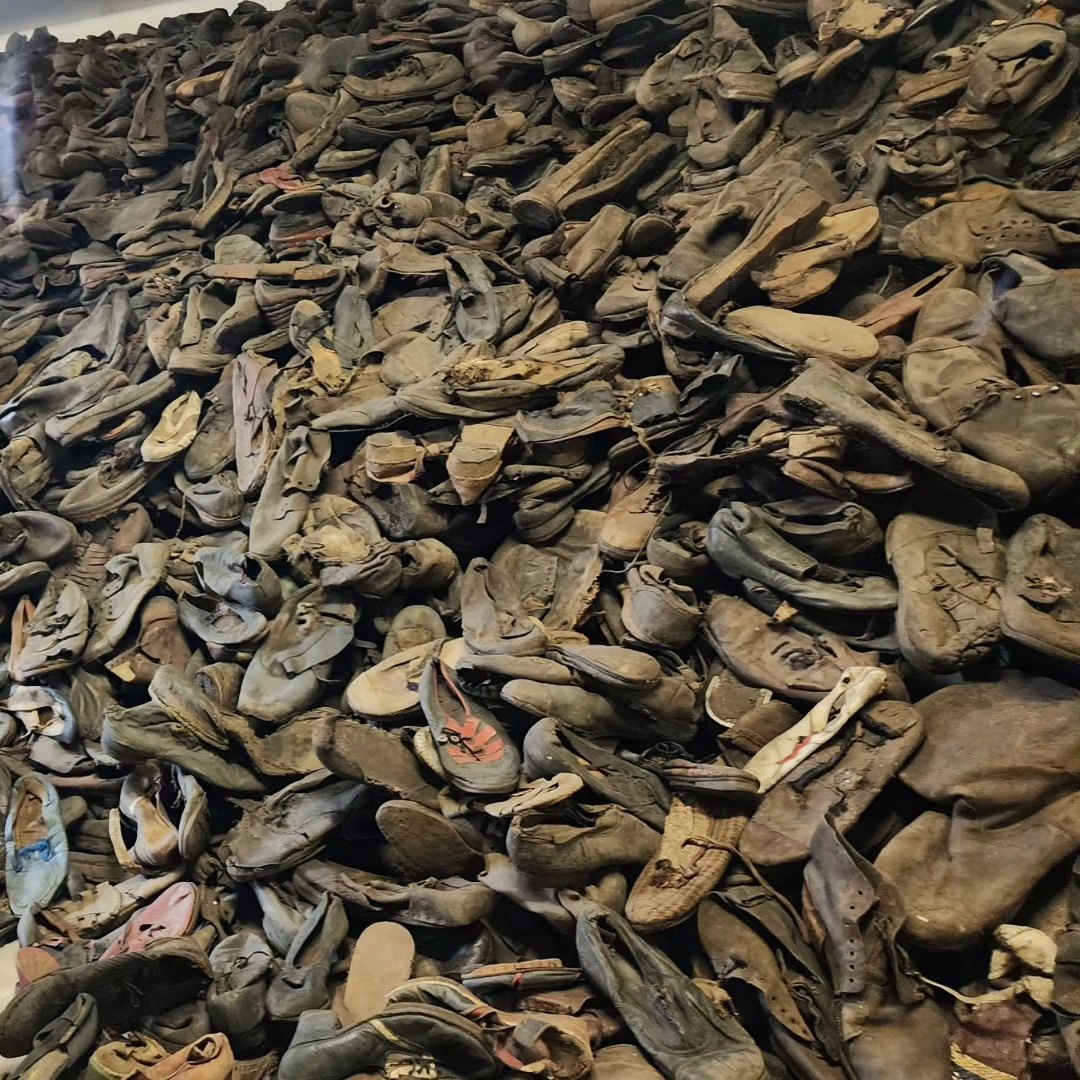
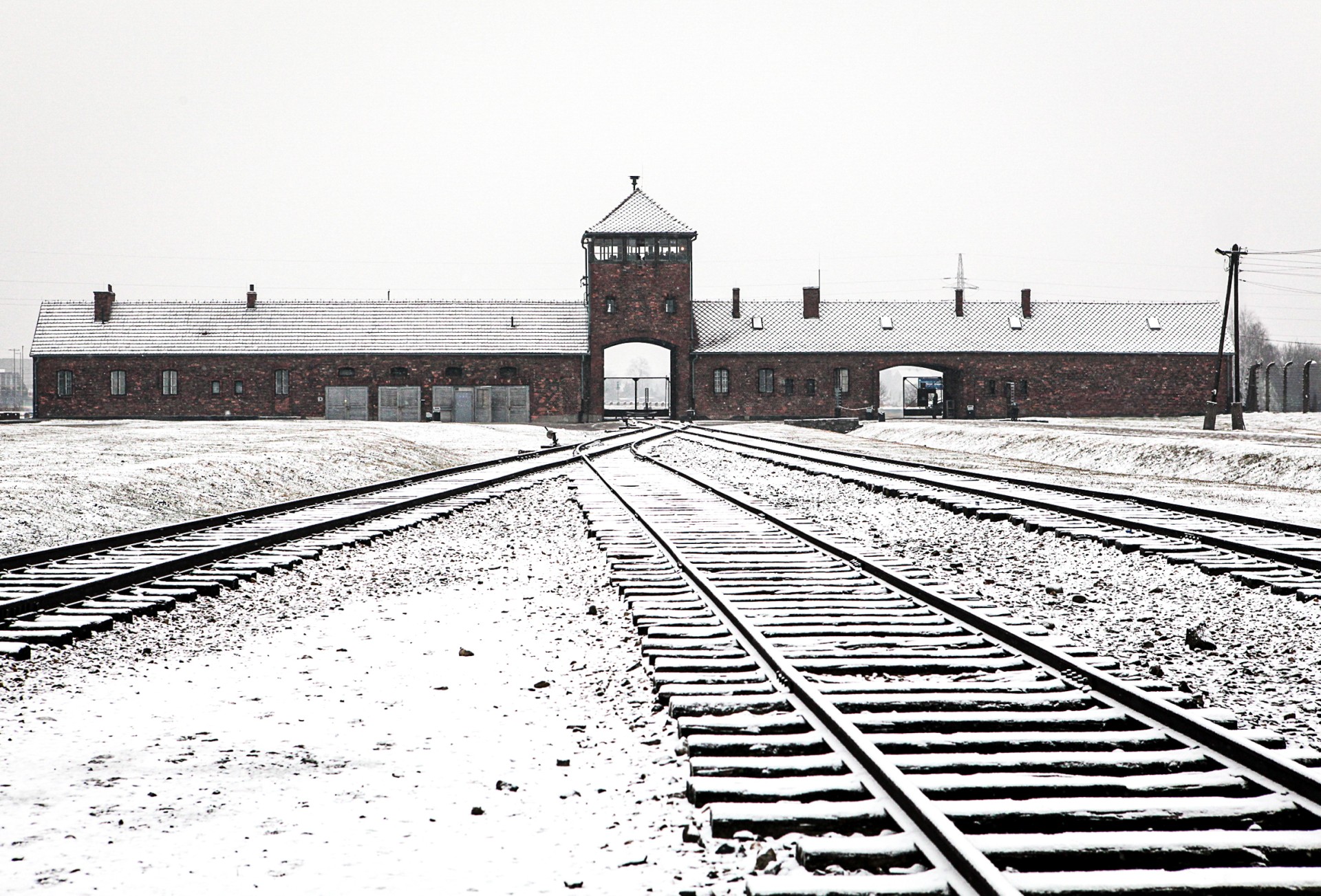
The Auschwitz camp was opened in 1940 near the town of Oświęcim after the occupation of Poland, originally as a camp for captured Poles, but in 1942 it became the center of the fascist industry of death and attempts to kill and liquidate European Jews.
In Auschwitz, which was expanded into the Auschwitz-Birkenau complex, the German Nazis killed about 1.1 million people in gas chambers and inhuman living conditions in the camp, mostly Jews, but also Roma and Sinti, 70,000 Poles, Soviet military prisoners and members of other European nations, including from the former Yugoslavia, and thus turned the complex into the largest cemetery, reports Beta.
The camp was turned into a museum in 1947, and annually it is visited by almost two million people from all over the world, among them tens of thousands of Germans, passing a three-kilometer-long route from the main gate with the cynical Nazi inscription “Work sets you free” to the Holocaust Memorial next to the ruins of the gas chambers.
(Vijesti.ba)