Thousands of kilometers of Balkan rivers have been damaged in recent years, a study published Wednesday showed, as the construction of hydroelectric power plants, dams and sediment extraction lead to “constant erosion” of some of Europe’s last intact waterways.
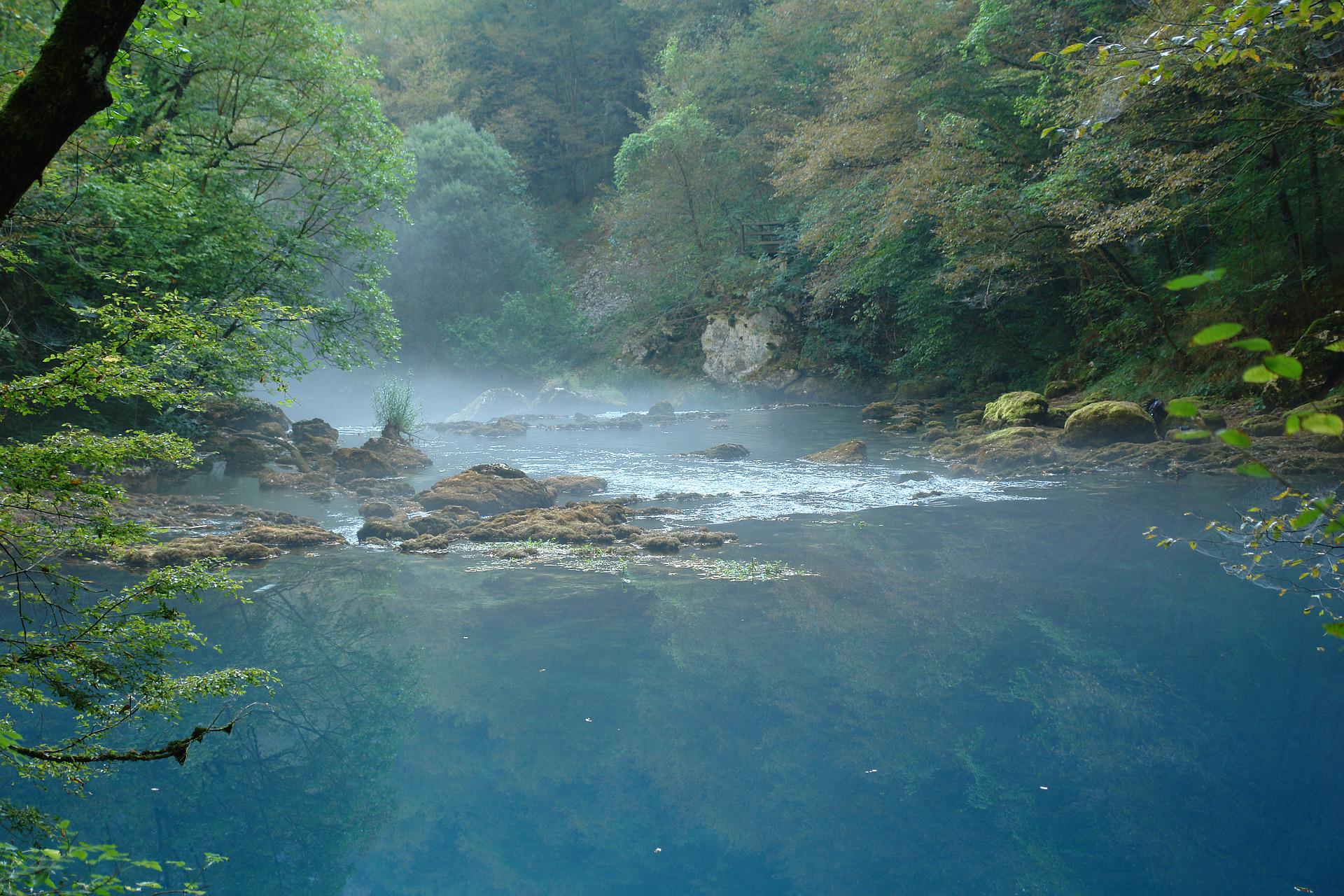
The Balkans are home to some of the cleanest and wildest rivers in Europe, key to the continent’s biodiversity. However, the increase in the number of infrastructure projects threatens them more and more, according to a study published by the non-governmental organizations Riverwatch and EuroNatur, reports AFP.
Boom of small hydropower plants
A wild river is one that is untouched by industry or damming. But in recent years, the entire Balkan region has seen a boom in small hydropower plants, which are generously subsidized, as investors look to tap into a reliable and renewable source of energy.
According to a 2024 report by the same non-governmental organizations, there are 1,800 such facilities in the Balkans, and more than 3,000 additional construction projects are planned.
The new research focused on “near-natural” rivers – waterways where the flow remains intact or nearly intact, with natural floodplains.
In 2012, these largely unchanged rivers accounted for 30 percent of the region’s waterways. However, by 2025, they represented only 23 percent — a loss of almost 2,500 kilometers.
These rivers, which are crucial for the preservation of the environment, are especially threatened in Albania and Bosnia and Herzegovina.
Mass reduction of almost natural river sections
For BiH, the share of untouched rivers decreased by 23 percent between 2012 and 2025.
Albania has seen a “massive reduction in near-natural river stretches,” from 68 percent in 2012 to just 40 percent in 2025, the report said.
But it also noted that Albania’s decision in 2023 to declare the Vjosa – one of Europe’s last wild rivers – a national park helped block dozens of planned dams there.
Thanks to legal victories, almost 900 kilometers of rivers have been successfully preserved throughout the region, he writes N1 BiH.