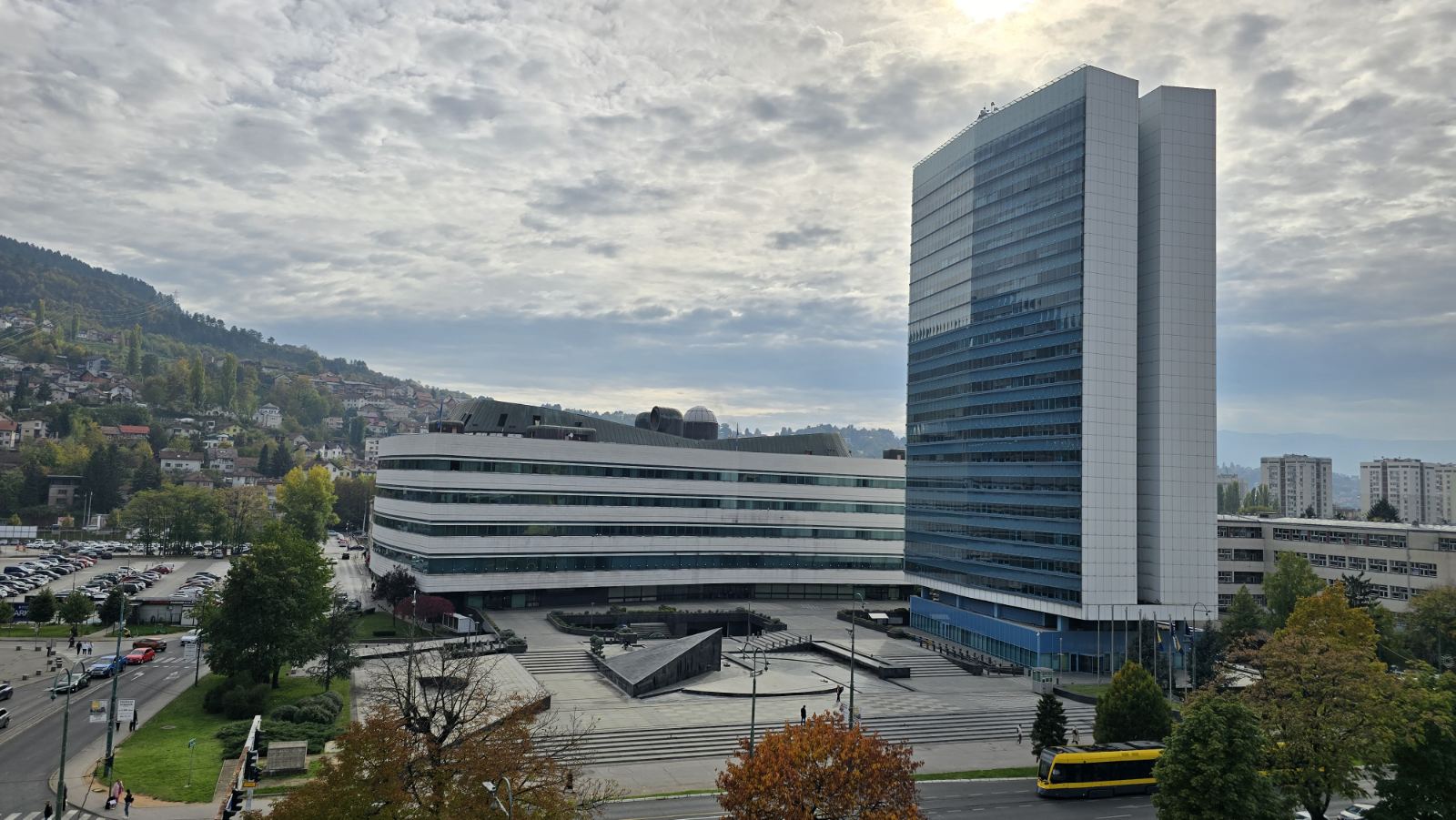
Rather than twelve in front of the Parliament building and the Council of Ministers of Bosnia and Herzegovina, more than 10,000 citizens, who demanded the urgent adoption of the Law on Unique Parent Number, and dignified.
These protests, who then echoed strongly, are considered the last real civil uprising today without a political influence, BHRT writes.
Today, the question arises: Where did the civil rebellate disappear? Did the citizens become hostages of political parties and ideological divisions? Are you quiet on crises, speech hate in public space, daily growth prices and a drop in living standards?
The Aest Makul Political Science points out that the key reasons for the absence of organized protests are the deep division of society, the inarticulization of the requirements and insufficient information of citizens. According to the information that people receive most often come from political sources and often do not match realities, which further deepens distrust and creates the perception of “others” as an enemy, instead of the associate.
Sociologist Vladimir Vasić believes that citizens agree to existing national divisions, even when it means giving up on solving their own problems. He emphasizes that people do not have confidence in the system, because they see that even multimenous protests in neighboring countries do not make changes. When the complexity of the political-administrative apparatus in BiH is added, it is clear why many lose will start any initiative.
Branko Todorović from the Helsinki Committee for Human Rights in RS warns that such apathy goes on hand to political leaders. They, using the mistrust and passivity of citizens, without greater resistance, abuse public funds and maintain corruption that destroys society.
Letargy in society further discourages and those rare individuals who are still ready for activism. SELMA MUSTACEVIĆ activists points out that citizens are generally only occasionally, just in situations of large tragedies, such as JMBG cases, or violence against women, when something horrible to cause public reaction.
Slobodan Blagovanin from the Youth Resource Center Tuzla believes that the mass departure of young people from the country represents the type of reaction to the existing situation. Although this departure cannot be called a protest in a classic sense, it undoubtedly indicates deep dissatisfaction and loss of hope in change.
In such an environment, without unity, common vision and trust in institutions, citizens of Bosnia and Herzegovina are increasingly similar to victims of own policies. And without organized and continuous civil engagement, the changes remain far away, and passivity becomes everyday.