
China presented a package of 48 new measures to encourage domestic consumption, with the aim of strengthening the economy in challenging global circumstances.
New plans include expanding the service offers, improving the user experience and the creation of new consumer scenarios, all with the aim of releasing the full potential of the services sector and ensure sustainable economic growth.
At the same time, China boosts international diplomatic efforts – President Xi Jinping is located in the diplomatic offensive in Southeast Asia, in an effort to provide the support of key trade partners such as Malaysia, Vietnam and Cambodia.
The Ministry of Foreign Affairs sends a message that China does not want divisions, but alliances: “We break down the walls to build alliances.”
In the context of all the more tense relations with the United States, Beijing has also announced changes in their trade team – Lee Chenggang, former representative of China in the World Trade Organization (WTO), takes over the function of the main negotiator for international trade.
Change comes in the midst of the trade war, in which the United States increases the customs in Chinese goods at 145%, while China returns a customs rate of 125% on American goods.
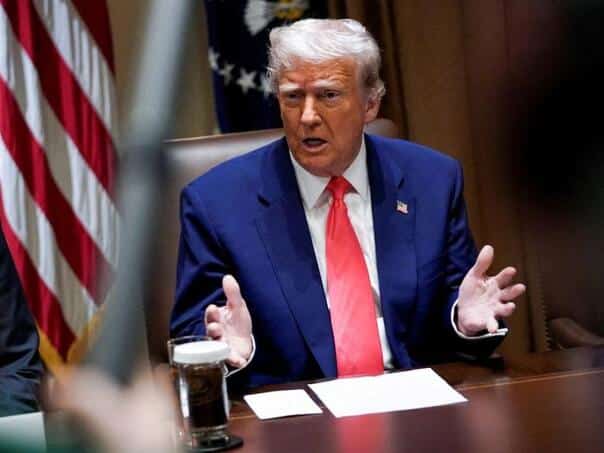
Donald Trump says that the “ball in Chinese side” is, claiming how China wants a deal more than now.
Beijing, on the other hand, condemns American customs measures as “trade violence” and emphasizes that they violate the global order and violate WTO rules.
However, the Chinese authorities assure that the economy remains strong and that they are willing to respond to additional measures to encourage growth.
Meanwhile, Hong Kong’s Postal Service suspends sending shipments to the United States, protesting against the abolition of “de minimis” exemptions that released shipments up to $ 800 from customs.
This measure enters into force 2. May, and Hong Kong Post rated new names as “unreasonable and violent”.
(Vijesti.ba)


