
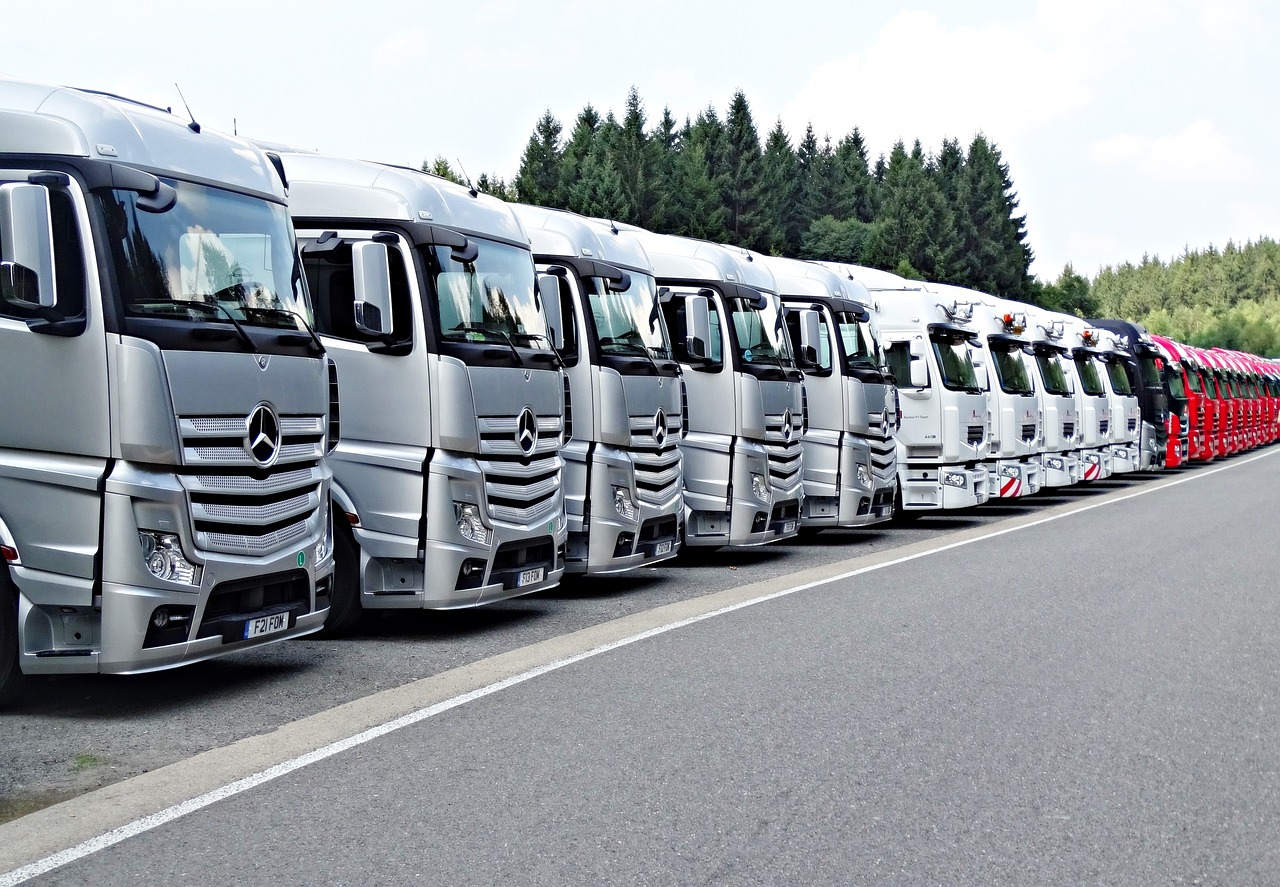
The carriers sent an appeal to the representatives of the institutions of Bosnia and Herzegovina, chamber systems, the Government of the Federation of BiH, the Government of the Republika Srpska, the Government of the Brčko District of BiH, as well as all competent authorities involved in the transport and logistics sector.
New ban cases
We are transmitting their statement in its entirety.
– We are addressing you with an extremely serious warning, because according to information from the field, more than one third of road transport capacity has already been de facto excluded from supply chains, which directly threatens the economic system of Bosnia and Herzegovina.
Since this morning, we have been receiving confirmed information from the field about new cases of entry bans and deportations of professional drivers, among them drivers from Bosnia and Herzegovina, North Macedonia and Serbia. The information comes directly from drivers and operators, including cases reported by drivers who witnessed actions on the ground.
We especially emphasize the following: Drivers are not recognized as professional drivers, but are treated as tourists, entry bans are issued even after 2 days of stay, The largest number of incidents was recorded at GP Maljevac, Yesterday, new cases were also registered in northern Germany (Rostock and the surrounding area), The consequences are immediate: trucks stand still, deliveries are delayed, contracts are called into question.
We especially point out that Bosnia and Herzegovina has not yet sent an official, decisive and institutional note to: the Republic of Croatia, the Federal Republic of Germany, the Republic of Austria, even though the problem is known, documented and reported multiple times.
This is no longer an individual driver problem. This is a systemic collapse of supply chains. Every driver who is banned from entering means: stopped truck, terminated contract, loss of trust of partners, direct financial damage for domestic transporters and producers – the transporters said.
Time is running out
– We warn you that time is running out. If urgent action is not taken: institutionally, coordinatedly, at the level of the BiH Council of Ministers, through direct communication with the European Commission and member states, Bosnia and Herzegovina will face a complete disruption of logistics flows, for which responsibility will be exclusively institutional.
Urgent institutional response and an official note to the countries where the bans are implemented, a clear position of BiH that professional drivers are not tourists, temporary protection measures until a systemic solution (90/180), urgent information to the public and the economy about the real situation on the ground.
We consider this announcement as the last warning before the complete suspension of supply chains.
Additionally, we openly ask the question:
Is the wording used by the European Commission – “we are concerned” – only a diplomatic phrase without operational content, or is it a sign that the real dialogue has already ended, and that we are now entering the phase of forming bodies and working groups that will not bring solutions, but will serve to delay and quietly shut down domestic carriers?
Or, which is even more serious, it is a matter of consciously ignoring the consequences, without really caring about what we clearly, reasonedly and responsibly warned about – the statement reads.
Accepting collapse
– Capacities are disappearing now, supply chains are being disrupted now, entry bans are being imposed now, contracts are being lost now. If the answer boils down to: working groups without mandates, bodies without deadlines, meetings without decisions, then it is not crisis management, but the controlled depletion of the domestic transport sector.
We expect a clear, public and measurable decision from all chambers of commerce and foreign trade, all entity and state ministers, all institutions that participate in the creation and management of supply chains.
Neutrality at this point means accepting collapse. Silence means taking responsibility.
The European Union is moving forward with its capacities. If Bosnia and Herzegovina does not react immediately, we will be left without drivers, without capacity and without domestic carriers. Then this will no longer be a question of rights or regulations, but a question of the survival of the economic system of Bosnia and Herzegovina.
This is no longer an appeal in the usual sense. This is a demand for responsibility and urgent action.
Dear institutions, we really have nothing new to say. Everything has already been said, documented and confirmed multiple times from the field. The only thing we expect today is a clear and unambiguous answer – not from the European Commission, but from the institutions of Bosnia and Herzegovina.
Or that we should finally be told that Bosnia and Herzegovina does not want to retain domestic road carriers, or that responsibility be taken and immediate action is taken to protect supply chains and the domestic economy.
This way of acting, along with referring to the views of the European Commission without operational protection of the domestic sector, has already led to the halting of supply chains, interruption of goods deliveries and serious endangerment of businessmen who depend on road transport. All those who until yesterday said that “domestic carriers are counted on as the backbone of the economy” are today faced with the reality in which capacities are disappearing, drivers are being disconnected, and trucks are standing still.
If the message of the institutions is that domestic carriers are tacitly sacrificing themselves in the process of European integration, then this must be publicly, clearly and politically confirmed. If it is not a message, then one must immediately move from statements to decisions.
The time for interpretations has expired. The time for procedural responses is over.
The only question left is: do the institutions of Bosnia and Herzegovina stand behind their domestic carriers – or do they knowingly let them go out of business – the carriers ask, writes Avaz.


