
Growth in the prices of wheat, most vegetable oils and several types of meat outpaced the decline in the prices of cheese and sugar, according to data from a new report published today by the Food and Agriculture Organization of the United Nations (FAO).
The FAO food price index, which tracks monthly changes in international prices of a basket of globally traded food commodities, averaged 125.3 points in February. That represents a 0.9 percent increase from January’s revised level, but is still one percent lower than a year ago.
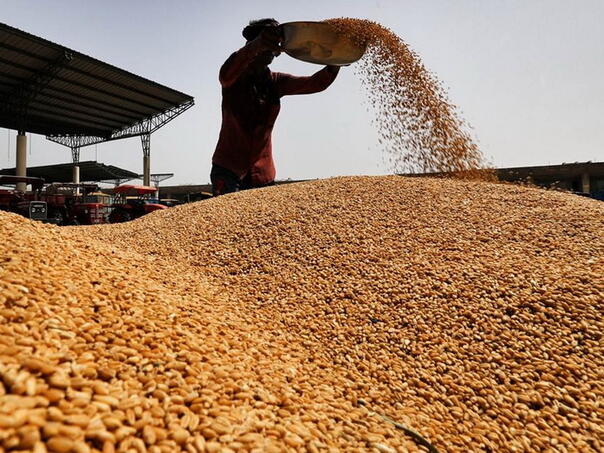
The growth of the index was primarily driven by higher grain prices, especially wheat, which rose due to unfavorable weather conditions in parts of Europe and the United States of America (USA) and disruptions in logistics in the Russian Federation and the wider Black Sea region.
At the same time, international prices of coarse grains, such as corn, barley and sorghum, rose slightly, while the FAO rice price index increased by 0.4 percent thanks to stable demand for basmati and japonica varieties. The vegetable oil price index rose by 3.3 percent and reached the highest level since June 2022. The FAO meat price index increased by 0.8 percent, with sheep and beef prices rising on strong international demand, while pork and poultry prices increased slightly.
In contrast, the dairy price index fell by 1.2 percent, mainly due to lower cheese prices, while the sugar price index decreased by 4.1 percent compared to January and as much as 27.3 percent compared to February 2025, due to expectations of abundant global supplies.
In the latest report, the FAO also estimates that global wheat production could be reduced by about 3 percent this year, to approximately 810 million tons, as lower prices for the grain reduce farmers’ interest in sowing in some major producing regions, including the European Union, the Russian Federation and the United States. At the same time, the outlook for production remains favorable in some major producing countries such as India, Pakistan and China.
According to the latest supply and demand survey, global cereal production last year was estimated at a record 3,029 million tons. World consumption in the 2025/26 season should reach 2,943 million tons, while stocks could rise to 940.5 million tons, with a stock-to-use ratio of 31.9 percent. At the same time, world grain trade in the marketing year 2025/26 (July-June) is estimated at 501.7 million tons, which is 3.5 percent more than in the previous period.
The Agricultural Market Information System (AMIS), which operates within FAO, also published its monthly Market Monitor report, which warned that an escalation of conflict in the Middle East could lead to a rise in energy and fertilizer prices, which would increase production and transport costs for farmers around the world, FAO said.
(Vijesti.ba / FENA)


