
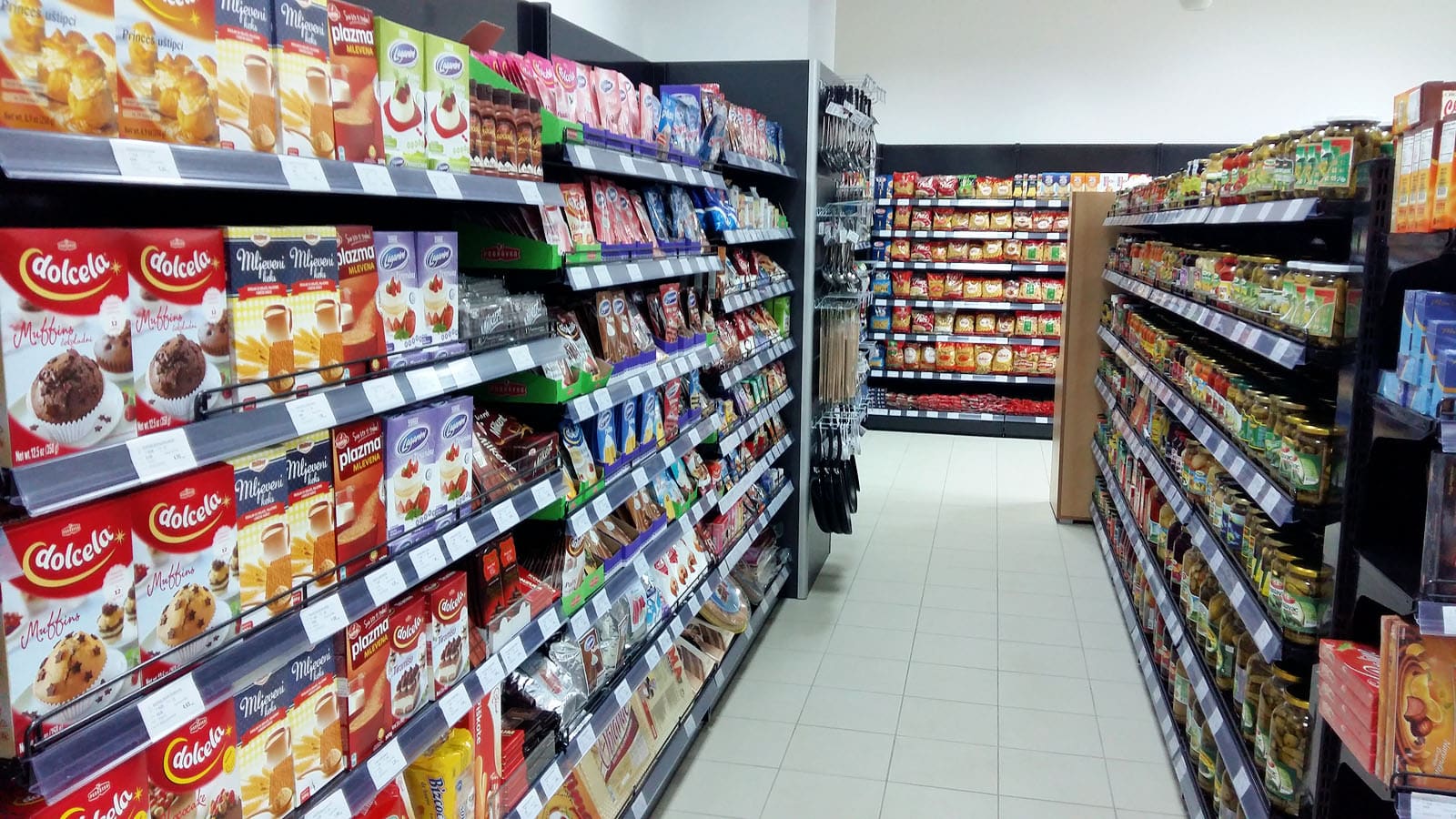
Economically exhausted, the citizens of Bosnia and Herzegovina entered the New Year with new price increases for electricity, cigarettes, and basic products. Household budgets are burdened again and can hardly keep up with the trend of rising prices. What will make everything more expensive and how to live with higher costs?
An increase in the price of water by around seven marks, waste removal by four marks, price increases for consumers in Bosnia and Herzegovina have been announced. to the RS entity, which will pay more expensive electricity bills from February. The rise in electricity prices comes after earlier corrections in the Federation of Bosnia and Herzegovina during the past year.
Eggs are two marks more expensive, and baby formula has been removed from the Federal Department of Commerce’s price-locked list due to an increase in purchase price. Short-term measures do not help much, citizens say.
For now, we can look positively at 63 products of basic food and hygiene products, the prices of which are locked, but with certain corrections in accordance with current market trends. Citizens often give up buying basic products.
“The prices of basic foodstuffs, energy, utilities and other services have been growing faster than wages for years, while the real purchasing power of a large number of consumers is continuously decreasing. Although economic forecasts point to slower inflation compared to the previous period, this does not mean that our daily life will be cheaper,” says Ferida Kulović from the Consumer Association of Kakanj Municipality “Potrošač”.
Tariffs for transport, removal and waste disposal have not changed for thirty years, according to the company “Rad”. Proposals for corrections have existed for a long time, but in order to be adopted, they must be voted on by the Sarajevo Canton Assembly.
“There will definitely be some minor changes. On an annual level, it may be about 50 marks compared to the existing bills, but for now, these are only proposals. If citizens received increased bills in the past or now, this applies exclusively to changes in square footage that were previously reported compared to the current, i.e., actual situation,” Mirza Ramić from KJKP “Rad” points out.
The announced increase in pensions by 17.6 percent and minimum wages by 27 marks will not bring significant relief, because inflation will eat them up. The increase in the minimum personal income will also affect the rise in prices.
“No reduction in the contribution taken by the state has been announced, so even the little production we have will be transferred by producers to consumers through the price of products. We can expect, not at the very beginning of the year, but probably after the elections, new price increases for certain services”, says Jovan Vasilić from the Consumers’ Association “Zvono”, Bijeljina.
The decision on price control measures was extended until March 1, after which the price monitoring application should be in operation, which should help citizens in choosing the most favorable purchase. The Federal Ministry of Trade also announced that they are working on an application to regulate pellet prices, it says BHRT.