
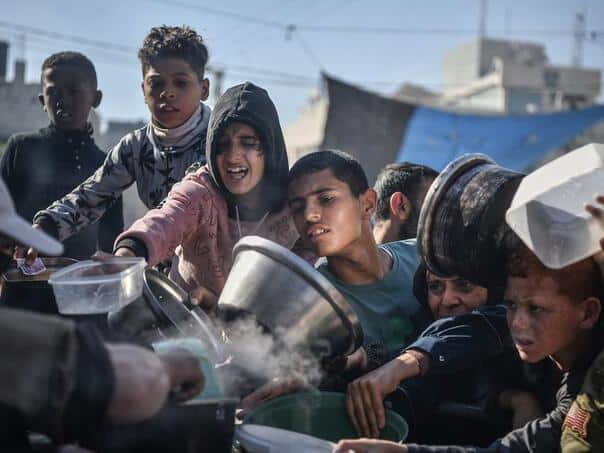
The United Nations Children’s Fund (UNICEF) warned on Tuesday that in 2026, more than 200 million children in over 130 countries will need humanitarian assistance, marking one of the most severe global crises facing children today, Anadolu reports.
At the first regular session of UNICEF’s Executive Board, the agency’s director, Catherine Russell, emphasized that the complexity of the problems children face is constantly increasing due to conflict, climate shocks, economic instability and growing inequality.
– The humanitarian situation for children today is among the most difficult we have ever seen – Russell said, adding that in 2026, more than 200 million children will need emergency assistance. She pointed out that the global environment is becoming more and more demanding, while the pressure on families and communities is increasing, and resources are becoming more and more limited.
Russell warned that decades of progress in protecting and saving children’s lives could be seriously jeopardized and that 2025 could become the first year this century to see a rise in child deaths, undoing progress made over generations.
She emphasized that the health of children and mothers remains UNICEF’s priority, while humanitarian needs continue to grow.
– Conflicts, climate shocks, economic instability and inequality put enormous pressure on children, families and communities – she said.
The director of UNICEF also highlighted the dramatic increase in violence against children – last year saw the highest number of confirmed serious violations of children’s rights ever documented, including murders, kidnappings and sexual violence. She added that hunger has become present again in 2025, when even two regions are facing declared famine – which is “an unprecedented and deeply alarming development”.
Russell warned that sudden funding cuts are forcing aid organizations to make tough decisions about who to help, as supplies dwindle, services are cut and programs children depend on for basic survival are cut or cut.
“Providing services to every child requires us to maximize our capacity and do more with what we have,” said Russell. Today, UNICEF operates in more than 190 countries and territories, and the director called for stronger partnerships and reforms to ensure continued work to save lives.
– The choices we make in terms of funding, reforms and partnerships will determine what can be done for children in the coming years – concluded Russell.
(Vijesti.ba)


