
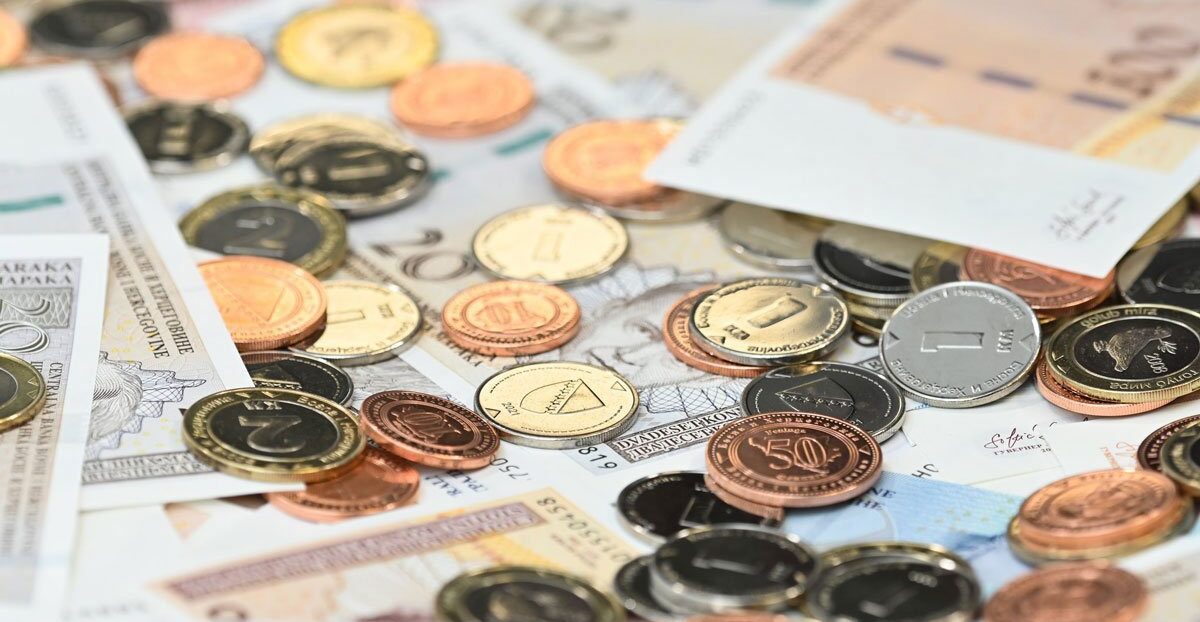
Foreign workers employed in Croatia during the first nine months of last year sent almost 1.6 billion euros to their home countries, and the largest part of that money ended up in Bosnia and Herzegovina, Novi list announced at the beginning of the week.
According to data from the Croatian National Bank, workers from Croatia paid 326.6 million euros to Bosnia and Herzegovina, which is about a fifth of all remittances from foreign workers from Croatia. Thus, BiH is convincingly the first country in terms of the amount of money received from Croatia, ahead of Nepal and Serbia.
The large inflow of money is directly related to the fact that BiH citizens are the most numerous labor force among foreigners in Croatia. According to data from the Croatian Ministry of Interior, more than 160,000 work and residence permits were issued to foreign citizens last year, of which more than 30,000 permits were issued to BiH citizens.
The money coming from Croatia is only part of a much wider picture. During 2024, according to data from the Central Bank of Bosnia and Herzegovina, total current transfers from abroad exceeded 5.6 billion convertible marks.
Of that amount, personal remittances from the diaspora amounted to about 4.16 billion KM, which is the largest recorded annual amount in the history of Bosnia and Herzegovina. The remaining part refers to pensions and other types of transfers from abroad.
According to the results of the Household Consumption Survey in BiH from 2021/22.20 (results published in 2024), conducted by the BiH Statistics Agency, 4.6% of the population in Bosnia and Herzegovina receives money from abroad. The average number of remittances received by the household in the last 12 months is 5.3, and the average annual amount of remittances received by the household is 2,276.28 KM.
Most of the money comes from Germany, Scandinavian countries, North America, but also from neighboring countries. It is also important to point out the methodological differences: the Central Bank of Bosnia and Herzegovina records only personal transfers, while the World Bank includes the so-called “employee compensation”, which includes e.g. salaries of seasonal workers from Bosnia and Herzegovina abroad.
Due to such high amounts, Bosnia and Herzegovina is among the European countries most dependent on money from abroad. Remittances make up more than 10 percent of the gross domestic product, which is significantly above the average of the European Union and the region.
Remittances from the diaspora remain one of the key sources of income for many households in Bosnia and Herzegovina, and their importance further increases in conditions of economic uncertainty and weak domestic production. Given the fact that they make up more than 10% of BiH’s GDP, the diaspora not only supports individual households, but also directly contributes to the macroeconomic stability of the country.
Economists warn that diaspora remittances have become a key support for consumption, social stability and maintaining the standard of living of a large number of households, while at the same time pointing to deep structural weaknesses in the domestic economy and labor market.
Although it is expected that the inflow of money from abroad will remain high in the coming years, analysts estimate that growth could be slower, given the long-term migration changes and the fact that an increasing number of BiH citizens go abroad with their entire families, and not as a temporary workforce, reports NOISE.


