
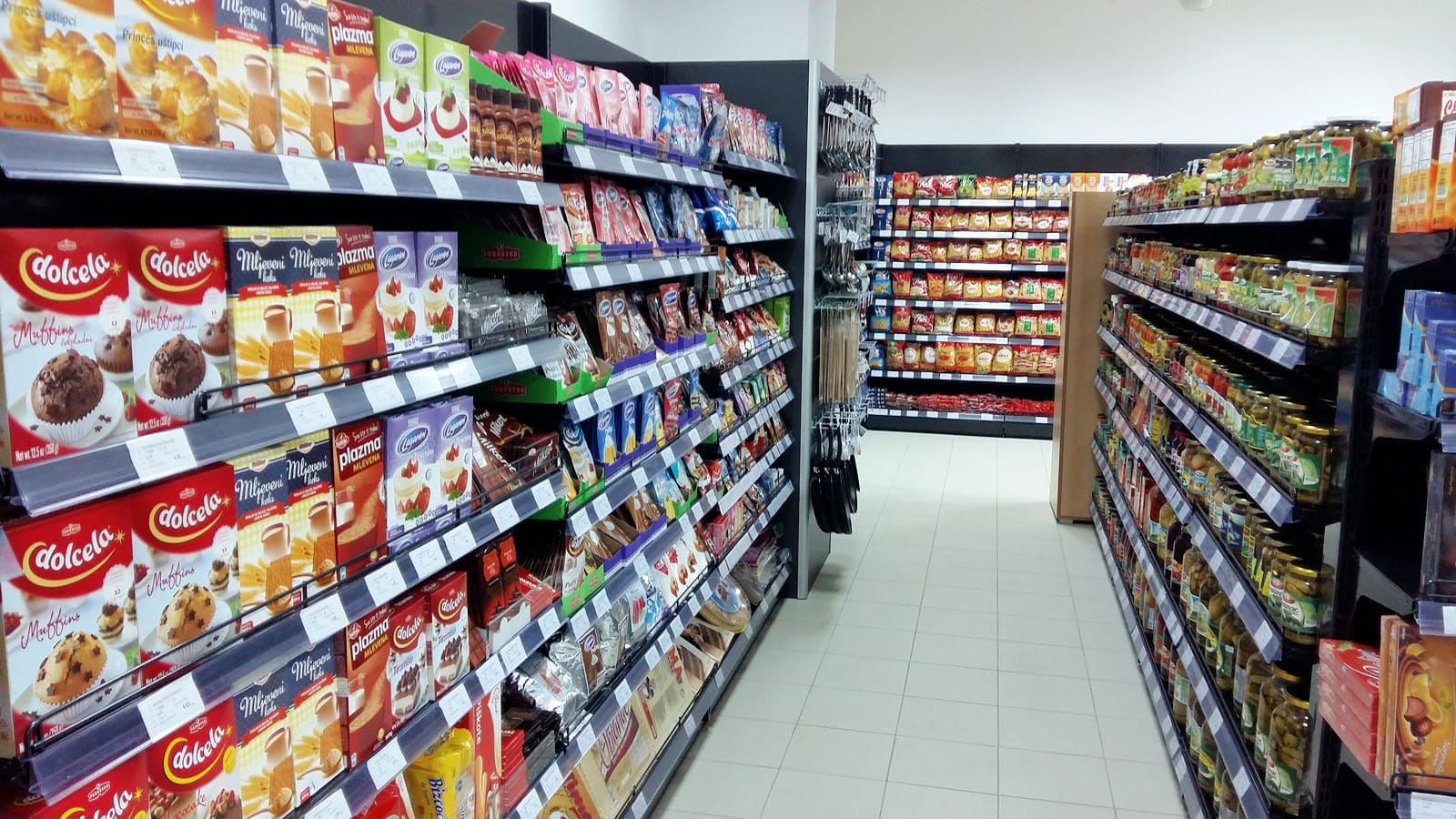
In the last few years, the citizens of Bosnia and Herzegovina have been facing a continuous increase in food prices, even though the prices of certain food raw materials have stabilized and even fallen on the world market.
This difference between global trends and domestic reality raises the question of why we do not feel the drop in prices in the world in our daily shopping. One of the key reasons is BiH’s pronounced import dependence.
Import dependence
As Admir Kapo, president of the “Buy and use local” Association, points out, although Bosnia and Herzegovina is rich in natural resources and arable land, it imports almost everything – from basic food products to water. This is why the domestic market is extremely sensitive to import prices and decisions of foreign producers.
– When you depend on imports, you don’t have the power to dictate prices. A drop in prices on the world market does not automatically mean a drop in retail prices – says Kapo.
Kapo: Natural resources. Submitted photo
Economic analyst Faruk Hadžić explains that in small and import-dependent economies there is an asymmetric adjustment of prices.
– Traders often refer to earlier purchase prices, high costs of logistics, energy and labor, while weak competition and insufficient supervision do not create pressure for prices to go down. Thus, the end consumer bears the biggest burden – says Hadžić.
Weak incentives
An additional problem is the growth of domestic business costs, as well as the lack of strong and stable incentives for domestic producers.
– Such incentives do not allow for long-term planning or increase in production – points out Kapo.
The rise in food prices strongly affects the living standards of citizens, as food occupies a larger share of household consumption than in the EU, which leads to a decline in purchasing power and greater economic insecurity. In the long term, these trends slow down economic growth, increase pressure on social budgets and deepen the trade deficit, which exceeded 13 billion KM last year, while without strengthening domestic production, prices remain high, he writes. Avaz.


