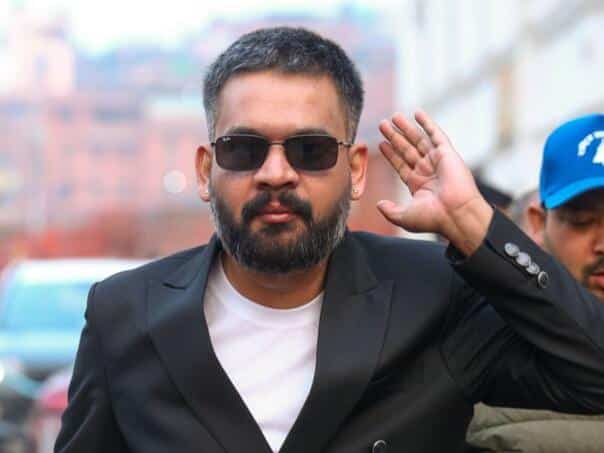
His Rastriya Swatantra (RSP) party won 182 of the 275 seats in parliament in the March 5 election, the first vote since anti-corruption protests by Generation Z that left 76 dead last September.
Analysts point out that Shah’s first task is transparent and prompt delivery of services to citizens, including implementing the recommendations of a panel investigating violence during protests and prosecuting those responsible, including former KP Prime Minister Sharma Oli.
The protests broke out because of the lack of jobs and corruption, while a third of the population lives in poverty, and thousands of people go abroad every day for temporary work.
Political instability has been a long-standing problem – since 1990, Nepal has been governed by 32 governments, none of which has completed a five-year term.
The Nepali Congress Party won 38 seats to become the second political force in the parliament, while the Communist Party of Nepal (United Marxist-Leninist) controls 25 seats. The previous president of the Supreme Court, Sushila Karki, led the country through the transition period until the elections.
(Vijesti.ba)