
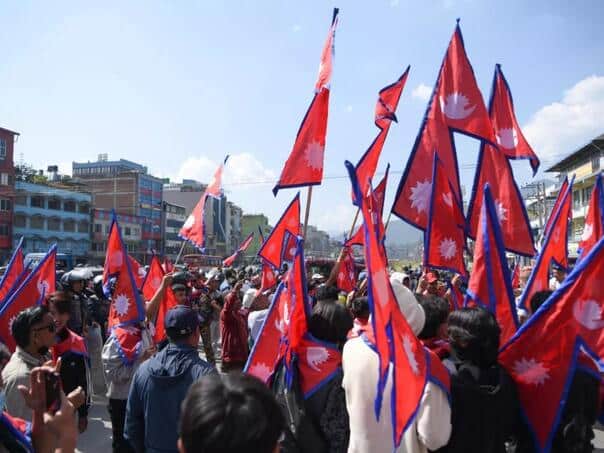
The election comes months after youth-led protests rocked the South Asian country, with thousands of young Nepalis taking to the streets to demand accountability, jobs and an end to corruption.
The protests, which have been accompanied by casualties, have revealed deep dissatisfaction among young people due to the separation of political elites from everyday life.
Of the 136 parties registered with the Election Commission, only 65 participate in the elections.
The government declared a three-day public holiday for the election, citing security and logistical challenges in the Himalayan nation.
Nepal does not have a practice of publishing opinion polls, but analysts believe that the Rastriya Swatantra Party (RSP) could emerge as the single largest party, while the newly formed parties Shram Sanskriti and Ujyaalo Nepal are thought to be able to upset the accounts in some constituencies.
Established parties, including the Nepali Congress, the Communist Party of Nepal, the Communist Party of Nepal and the royalist Rastriya Prajatantra Party, are expected to win a lot of votes.
Gehendra Lal Malla, a professor of political science at Tribhuvan University in Kathmandu, said the absence of pre-election coalitions, combined with numerous smaller parties, could make it difficult for any individual party to secure a clear majority.
“RSP has real momentum and could do well. However, it seems that no party will secure a clear majority,” he said.
(Vijesti.ba)


