The low temperatures and heavy rainfall that affected Bosnia and Herzegovina at the beginning of January led to a significant increase in demand for all types of firewood.
The representative of that company, Muhamed Helać, stated that for them this increase was quite unexpected, since most citizens traditionally supply themselves with firewood during the summer, before the start of the heating season. However, the citizens planned the amount of firewood for this winter based on the last one, which was extremely mild and when they faced low temperatures and precipitation, and it turned out that additional amounts were needed.
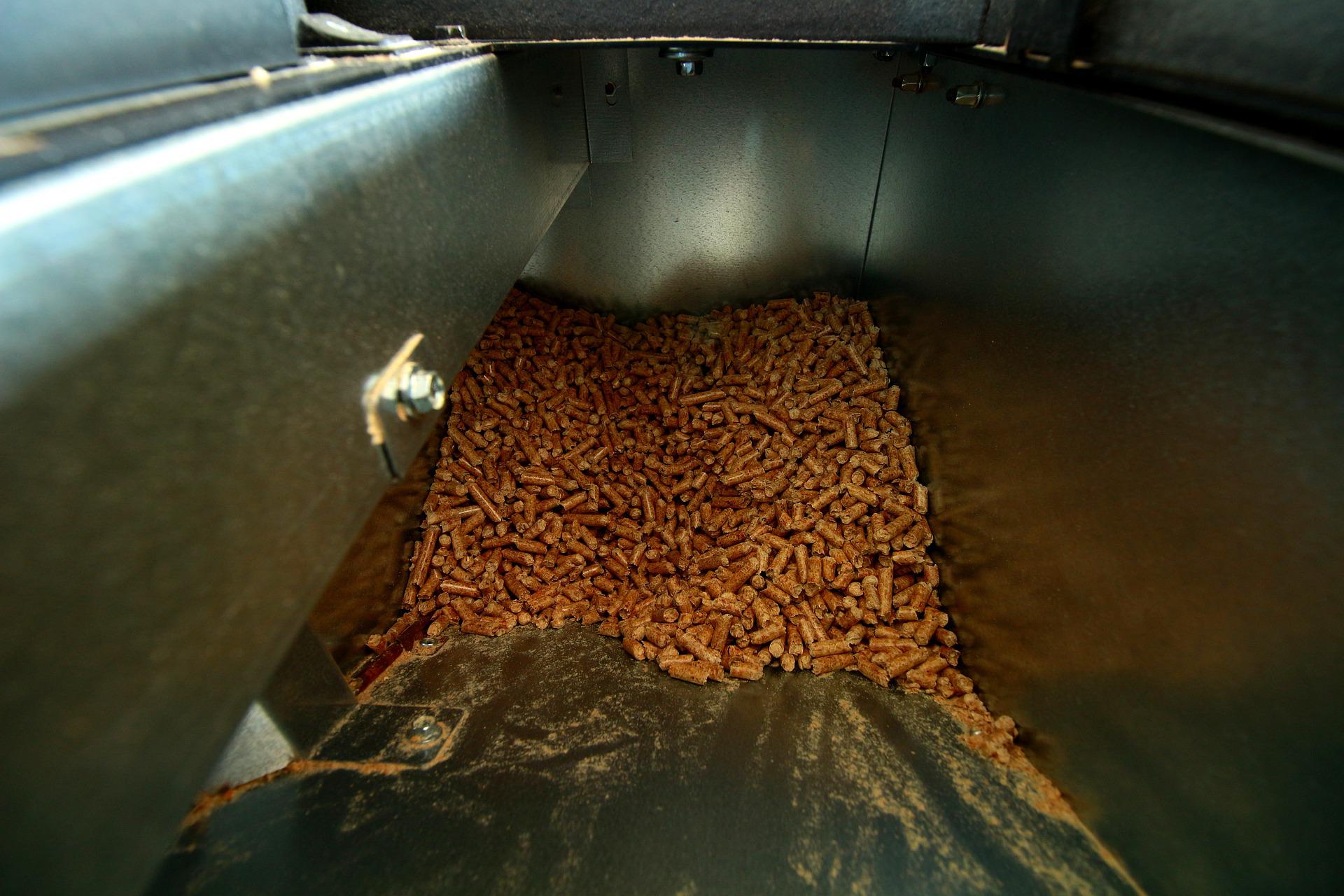
– Despite the difficult working conditions and the reduced availability of firewood on the market, in January, the company Drvoseča managed to deliver several hundred tons of pellets and briquettes, and several thousand pallets of split wood, with a maximum two-day wait from the order – pointed out Helać.
January is a challenging month
Although January was a challenging month for this branch, Helać emphasized that the price of pellets remains unchanged in February – 690 KM per ton. He reminds that the last decision of the Government of FBiH limited the price to 630 KM, but after the lifting of the limit there was an increase of about nine percent.
– Our policy is to form prices on a monthly basis. For February, we decided that the price will remain the same as in January, despite the challenges on the market – pointed out Helać.
He noted that they are also working on the preparation of additional quantities of firewood in all their points of sale throughout Bosnia and Herzegovina – from Sarajevo, Mostar, Zenica and Tuzla, to Banja Luka, Doboj and Bihać in order to, as he said, readily respond to the new wave of precipitation and low temperatures that is being announced from February 12. They told the citizens that they can be sure that they will always find all kinds of firewood in the sales points of this company, but also advised them to check their own stocks and order in time, in order to avoid delivery difficulties during bad weather conditions.
In winter, production costs rise
When it comes to the factors that most affect the formation of the price, Helać stated that production costs in this branch increase significantly during the winter months, which is directly reflected in the final price of pellets and other types of firewood. Such dynamics, he added, are common for the market and are also present in the countries of the European Union. In addition to production costs, price formation is also influenced by transport, demand and difficult working conditions in the domestic environment, which is why there are more and more factors that raise the price.
Speaking about ways to solve the long-term problem of availability and prices of pellets and firewood in general, Helać said that there is no sustainable solution without a joint initiative of all relevant institutions in Bosnia and Herzegovina. Company
Drvosjeja previously proposed to the competent institutions the option of forming commodity reserves of pellets, which would be purchased during the summer months when the price is lower and the supply is higher. In this way, in case of market disturbances, the price and supply could be controlled.
Their second proposal referred to subsidies to citizens through the reimbursement of part of the costs of purchasing firewood. However, the practice of buying “on the black” without a receipt, as Helać added, makes it impossible to implement such a model, he reports Zenica blog.
– In addition, producers and sellers of pellets have been additionally burdened with bureaucratic obligations since January, instead of working on facilitating business and attracting new investments – Helać said.
He added that during the year 2025, the supply of pellets was reduced because many producers closed their plants or reduced their capacities or switched to briquette production, while at the same time demand increased thanks to subsidies for switching to pellet heating. The result is contradictory – reduced supply with increased demand, which could cause serious consequences in 2026, Helać concluded.