
The European Commission adopted the first EU Strategy on visas.
“The goal of the Strategy is to strengthen security, including stricter monitoring of existing visa-free regimes, but also to encourage prosperity and competitiveness by facilitating, speeding up and making legitimate travel more predictable.
In addition, the EU and its Member States will work together with partner countries to find practical solutions to reduce procedural complexity for professionals who are highly dependent on mobility across Europe.
It will also consider introducing new legislation with a separate set of extended rules for short-term stays at EU level.
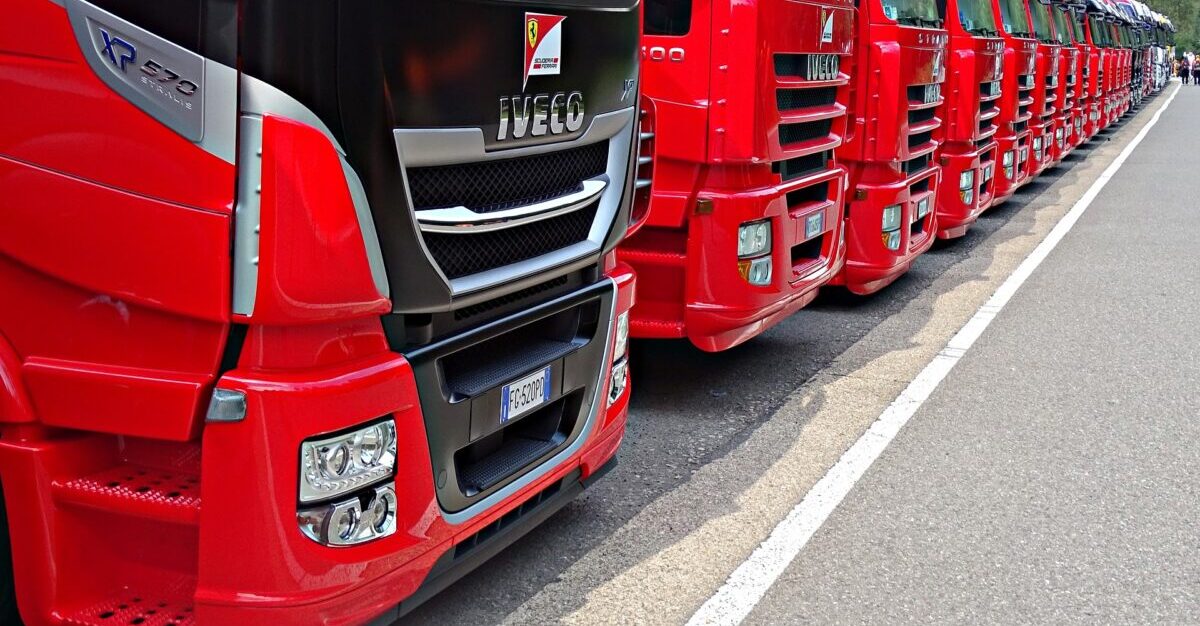
This is especially important for professional drivers from BiH and the Western Balkan region, but also for others, such as artists or athletes.
Overall, the Strategy emphasizes the importance of partnership. BiH, as a neighbor and a country on the way to the EU, will remain a key partner in a time marked by growing mobility, with the aim of joint contribution to security, economic growth and competitiveness”, Luigi Soreca, Head of the EU Delegation in BiH, announced on Platform X.
After the adoption of the visa strategy, BiH also announced. Minister of Communications and Transport Edin Forto.
This strategy sets the framework for a visa policy that is more strategic and focused on the EU’s long-term interests, enabling the Union to be better prepared for increased mobility, as well as the consequences of regional instability and geopolitical competition.
The strategy aims to make Europe:
- More secure, by strengthening the first line of security checks;
- More prosperous and competitive, by facilitating access to those who contribute to our economies and societies;
- More influential at the global level, by promoting the strategic interests, values and international position of the EU;
- More efficient, through a smarter, modern and harmonized visa policy.
Along with the Strategy, the Commission also adopts the Recommendation on attracting talent for innovation, with the aim of making the EU more attractive to highly qualified and skilled professionals, students, researchers and innovative entrepreneurs, and to support the competitiveness of the EU in the global context.
The visa strategy is based on three key pillars:
Strengthening EU security
The strategy proposes concrete measures to use the visa policy to advance the EU’s strategic interests and strengthen the Union’s security framework. This includes:
A modern system for granting visa-free status to partner countries, including a new assessment framework with clear criteria for evaluating potential candidates (until 2026).
Stricter oversight of existing visa-free regimes under the reformed Visa Suspension Mechanism, to ensure continued compliance and prevent visa-free travel abuses.
Stronger visa pressure measures through the improvement of the existing mechanism from Article 25a, which allows the EU to take targeted measures in case of lack of cooperation in return and readmission, and the introduction of ad hoc measures to encourage cooperation in the field of security and the fight against illegal migration. This will be done through the revision of the Visa Code in 2026.
Possible targeted restrictive measures – suspension, refusal or restriction of visa applications in response to hostile actions of third countries that undermine EU security, within the framework of the revision of the Visa Code, in consultation with member states.
New measures to strengthen the security of travel documents to prevent fraud, including new EU-wide harmonized definitions and sanctions for document falsification.
Encouraging prosperity and competitiveness
Travel and mobility are a key driver of the European economy, and the Schengen area is still the most visited destination in the world. The strategy proposes new measures to support the EU’s global competitiveness, attract and retain talent, and facilitate legitimate travel for tourists and business travelers:
New digital procedures for visa-free and visa-free travelers: ETIAS will simplify and partially automate pre-departure checks for visa-free travelers (from the fourth quarter of 2026), while digital visa procedures will allow those who need a visa to complete the entire process online.
Multiple-entry visas with longer validity for reliable travelers, to stimulate economic activity and reward visitors with a proven travel history, and establish a common list of verified companies to facilitate business visa processing.
Better conditions for talent: considering changes to EU regulations on students, researchers and highly qualified workers, as well as establishing a targeted EU legal basis for founders of start-up and scale-up companies and innovative entrepreneurs.
Additional support to citizens of third countries and employers through the European Legal Gateway Offices in solving challenges related to the visa procedure.
Additional EU funding to support visa processing of highly qualified and skilled workers from outside the EU.
Modern visa tools
Every year, millions of travelers come to the external borders of the Schengen area, either with short-term visas or from countries that have a visa-free regime. Effective management of this requires modern systems that strengthen security while facilitating legitimate travel.
To this end, the EU is introducing advanced digital tools to modernize visa and border management. EU IT systems will be interconnected by 2028, allowing multiple databases to be checked at once through a single central search, improving information exchange and preventing visa abuse.
Recommendation on attracting talent for innovation
The recommendation defines concrete ways in which member states can better use their processes to attract and retain students, researchers, highly qualified and professional workers, start-up founders and innovative entrepreneurs in key sectors for EU competitiveness and strategic autonomy.
The recommendations encourage member states to introduce simpler and faster procedures for long-term visas and residence permits through digitized processes, fewer documents and shorter processing times, easier transition from studies or research to work or entrepreneurship in the EU, better intra-European mobility, as well as better access to information and stronger coordination between state institutions, universities and research organizations.
The recommendation contributes to the goals of the “Choose Europe” initiative, which is aimed at attracting and retaining global research and innovation talent, the Union of Skills, as well as the EU strategy for start-up and scale-up companies, the European Commission announced.


