
The rise in the prices of gasoline, diesel and even LPG clearly shows one thing – dependence on fossil fuels is becoming more expensive and more risky.
Fuel prices are not only constantly rising, but also often “run wild” under the influence of global crises, political tensions and disruptions in supply chains. Any major disturbance in the world market immediately spills over into the pockets of citizens.
The best example of this is the Strait of Hormuz, one of the key places for oil transportation in the world. Any instability or conflict in that area automatically raises fuel prices across the planet. It clearly shows how dependent we are, as consumers, on global flows over which we have no influence.
In such an environment, even LPG, although currently cheaper, remains part of the same dependency system. Its price may be more favorable today compared to diesel and gasoline, but it still depends on uncertain sources, markets and the same risks.
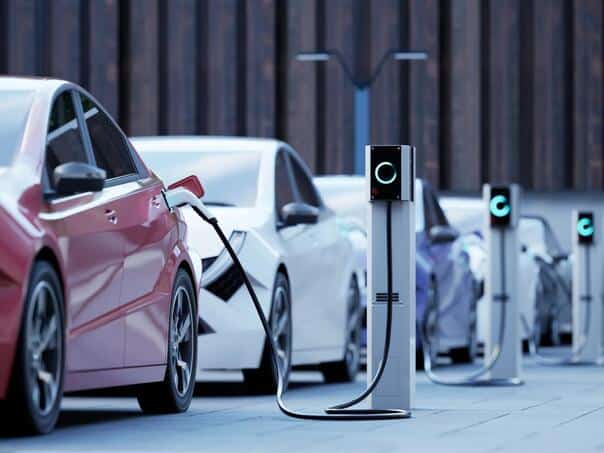
That’s why electric cars represent a fundamentally different approach. They break this dependence on imports and global crises. Electricity is already the cheapest energy source per kilometer driven, in some cases up to ten times cheaper per kilometer driven by an electric vehicle, compared to fossil fuels.
“The real change additionally occurs when the electric car is connected to its own source of energy – solar panels. In that case, the driver no longer depends on oil markets or geopolitical crises. He produces the energy himself, directly on his roof,” emphasized the Sarajevo Energy Forum.
By adding battery storage, that independence becomes even greater, energy can be used whenever it is needed, regardless of the time of day or the state of the network. This means security, predictability and long-term savings that no fossil fuel can offer.
These topics, energy independence, the future of mobility and concrete solutions for citizens and the economy, will be discussed in particular at EV WEEK 2026, a conference and fair for electric and hybrid vehicles, which will be held for the third time in Sarajevo on April 28 and 29.
“Applications are open through the official website https://ev-week.baand the interest already shows how crucial this topic has become for the future of transport and energy,” said SEF.
(Vijesti.ba)


