
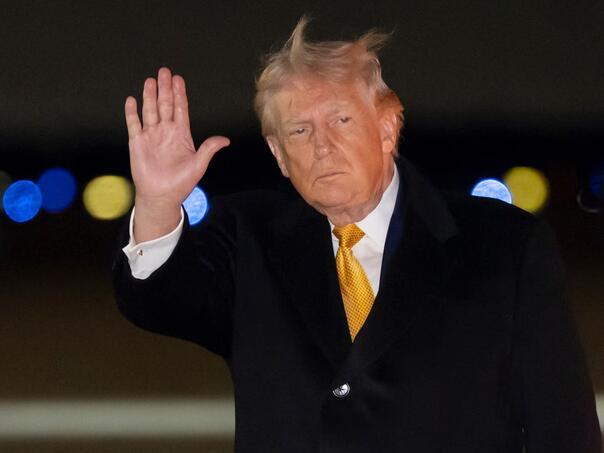
Trump raised the idea again after the US military operation in Venezuela, saying Greenland was “extremely strategic” and claiming it was surrounded by Russian and Chinese ships. Greenland Prime Minister Jens Frederik Nielsen said that “enough” is enough and called the idea of American control a “fantasy”. Danish Prime Minister Mette Frederiksen stated that the US has no right to annex any part of the Danish kingdom.
Back in 2019, Trump tried to buy Greenland, but the offer was rejected. After returning to the White House in 2025, he raised the issue again, not even ruling out the use of force. This caused a shock in Denmark, a member of NATO and a long-time ally of the USA. Additional tensions have been sparked by visits from senior US officials, including Vice President JD Vance, and the appointment of a special envoy to Greenland who has been outspoken about annexing it to the US.
Greenland is the largest island in the world, located in the Arctic, with about 56,000 inhabitants, mostly Inuit. About 80% of the territory is covered with ice, and most people live on the southwest coast around the capital Nuuk. The economy relies mainly on fishing and financial aid from Denmark.
Recently, there has been growing interest in Greenland’s natural resources, such as rare minerals and uranium, which are becoming more available due to the melting of the ice. Although Trump claims that he is not interested in minerals but in security, experts point out that the Arctic is increasingly important due to the strengthening of Russian and Chinese military presence.
America’s security interest in Greenland has existed for decades. The US established military bases on the island during World War II, and the Pituffik base (formerly Thule) still plays a key role in early warning of possible missile attacks over the North Pole.
Greenland has been under Danish control for about 300 years. In 1979, it was granted broad autonomy, while Denmark retains competence over foreign policy and defense.
Most Greenlanders support independence from Denmark, but strongly oppose the idea of becoming part of the US. Local leaders say they are open to dialogue, but with respect for international law, stressing that “Greenland belongs to Greenlanders.”
(Vijesti.ba)


