While Max Verstappen complains that the new cars “are not real Formula 1”, and the technical regulations stifle raw speed for better racing, a key question arises: what does this sport even want to be? In his column for Top Gear, Philip himself analyzes whether F1 is really the pinnacle of engineering and driving skill or just a highly packaged billion-pound reality series.
As a thoroughbred driver, I enjoy it in ride to the board. You can’t drive like that right nowhe objected Max Verstappen after his first outing in a new generation of Formula 1 cars. That simple it’s not Formula 1.
Verstappen’s comments impose important question. So what exactly is Formula 1?
According to Max, it’s all about driving to the limit until you win, until the car explodes or both.
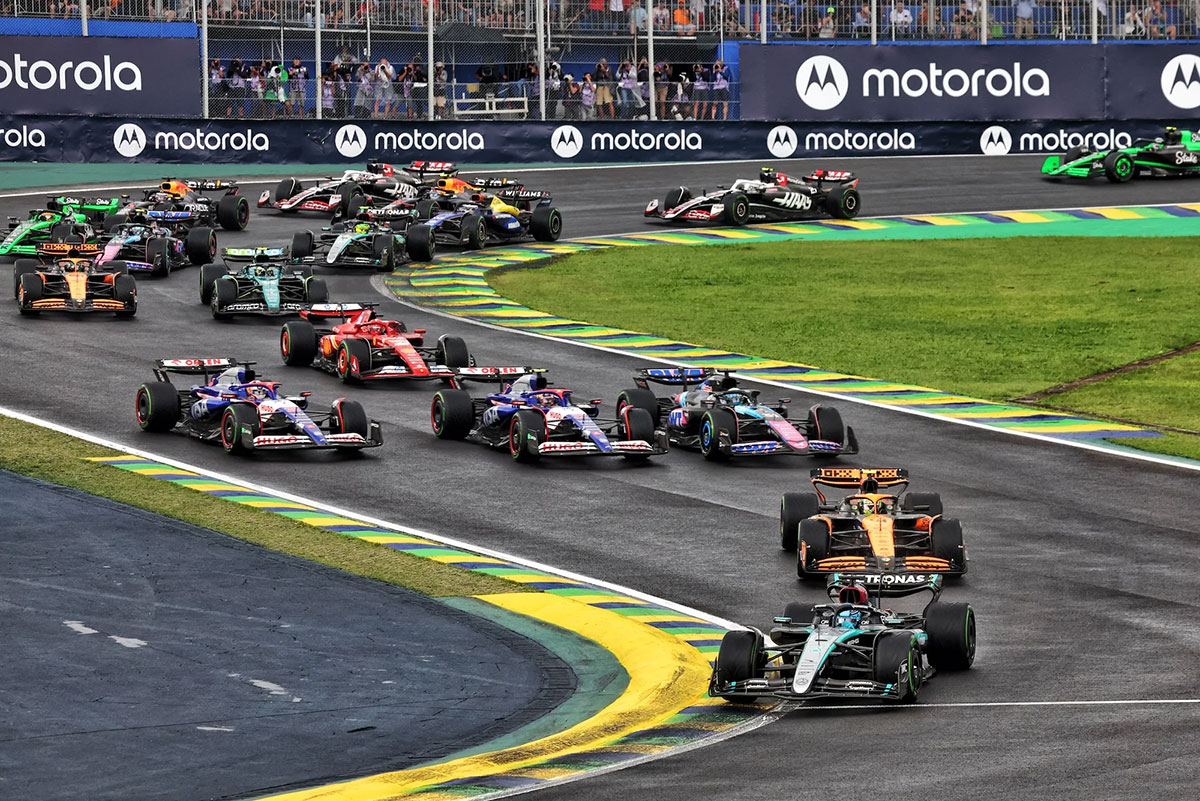
Fair enough. Except the new regulations Verstappen is complaining about are designed to improve racing. More overtaking. Close monitoring. What fans they supposedly want.
So what’s up with that? Ride to the board or “wheel to wheel” fight? Or something else entirely? What is the point of Formula 1?
Well, according to the Formula 1 website – which contains more sponsor logos than actual information – F1 is “the pinnacle of motorsport“.
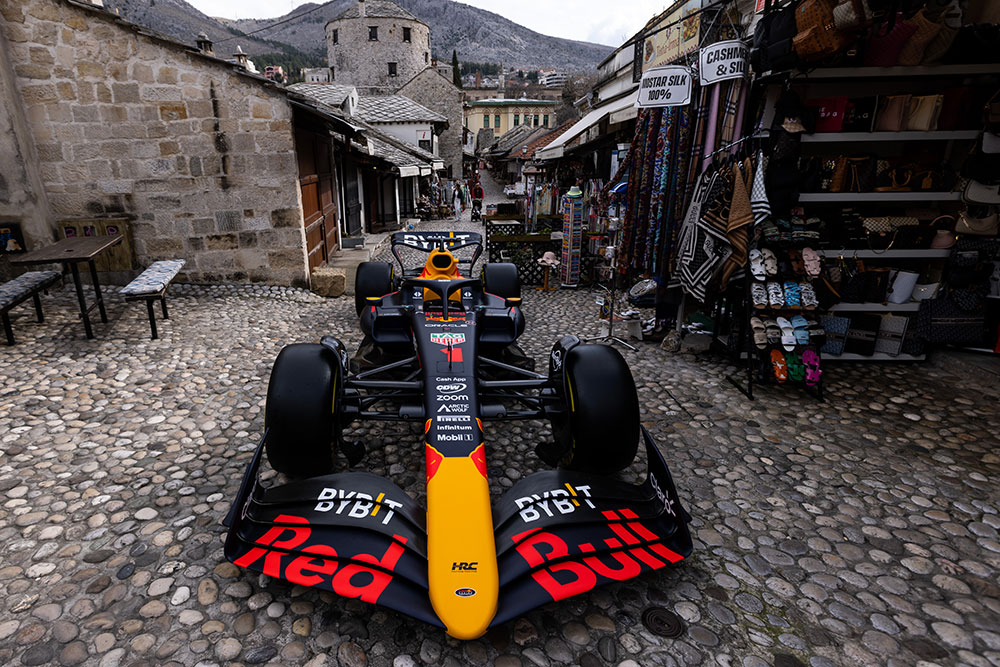
Red Bull car in Mostar. Photo: Denis Kapetanović/Pixsell
Awesome. But… the climax of what exactly?
Speeds? Um. F1 cars are very fast, yes. But don’t forget that they could be much faster if they weren’t restrained regulations on 267 pages. Put a McMurtry fan on the bottom, allow active aerodynamics, remove cost constraints and you’d have cars that drive laps ten seconds faster. Would that be very dangerous? Yes, it would. But damn it would be quick.
Driving skills? Yes, operating an incredibly complex machine at high G-forces for two hours in cockpit temperatures that would melt civilians is superheroism. But how often do we really realize that superhumanity? Managing tire wear is harder to appreciate than this rescue on a motorcycle.
Actions on the track? Come on, please. You’ll see more wheel-to-wheel combat in one round on local amateur paths than at the modern Grand Prix.
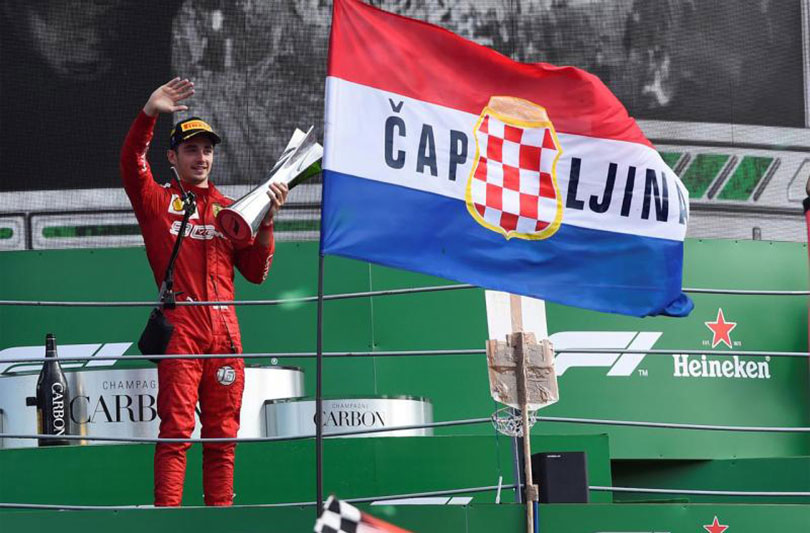
Zastava HR HB Čapljina at F1 awards 2019.
Engineering? Finding loopholes in a rulebook as thick as a phone book is smart. But is it exciting? No one lies awake at night thinking, “I wonder what it is Mercedes done with the flaps on the wing endplates?” Do you want to get kids interested in science and technology? Show them a VW Pikes Peak race car or a Bloodhound LSR.
F1 isn’t specific about which of those peaks it’s trying to climb, perhaps because the answer is… actually to none?
So it might be tempting to conclude that F1 doesn’t have one clear meaning, but rather a bunch of jagged bumps. But that would be unfair.
Because F1 really is the pinnacle of something. Something he will never expressly to admit.
That’s it the climax of the soap opera related to sports.
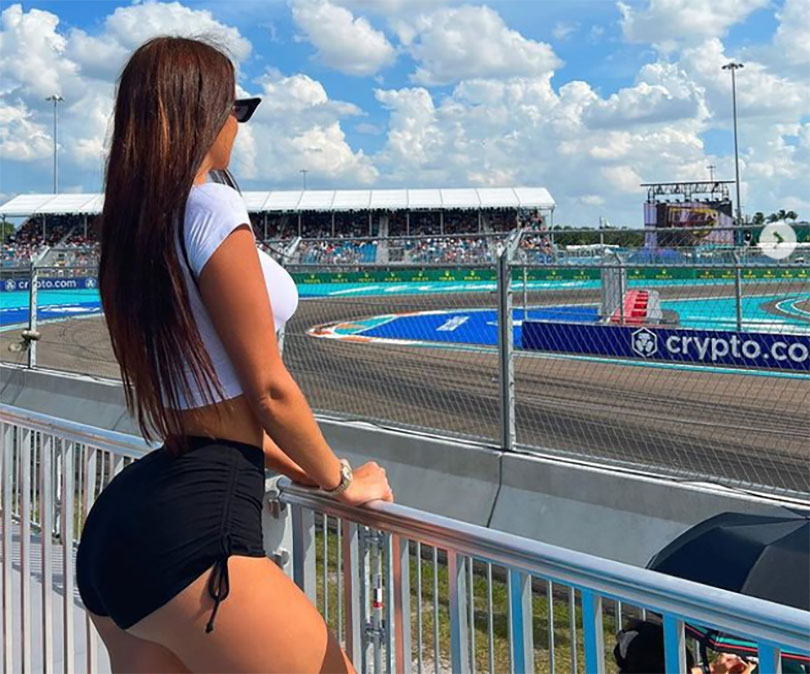
Ivana Knoll at Formula 1
Every season more people follow F1 than MotoGP (which has better racing) or WRC (which is more spectacular) or almost any other motorsport.
Not because F1 is the fastest, or has the best action “the wheel by the wheel“, or is the most innovative.
But because she became something completely different: reality show a two-billion-pound show with beautiful people, expensive machinery, exotic locations and just enough carefully managed mutual tension to keep viewers coming back week after week.
Drama is a product. Racing is just a plot point that gives them a reason to argue in Drive to Survive.
This is why they are F1 fans always furious about something. Half of them think speed should be the point. The other half think it’s about racing. That third half thinks it’s about engineering. They watch different shows. But everyone is watching.
This vagueness is nothing new. Despite what Max may believe, Formula 1 has never been a pure, simple test of pure driving skill – the internal combustion equivalent of a top ten Greek athletes who take off their clothes in a couple of laps according to Olympia. He always was awkward dance between driving skill and engineering innovation, between speed and safety, between pushing the limits of the law and outright cheating.
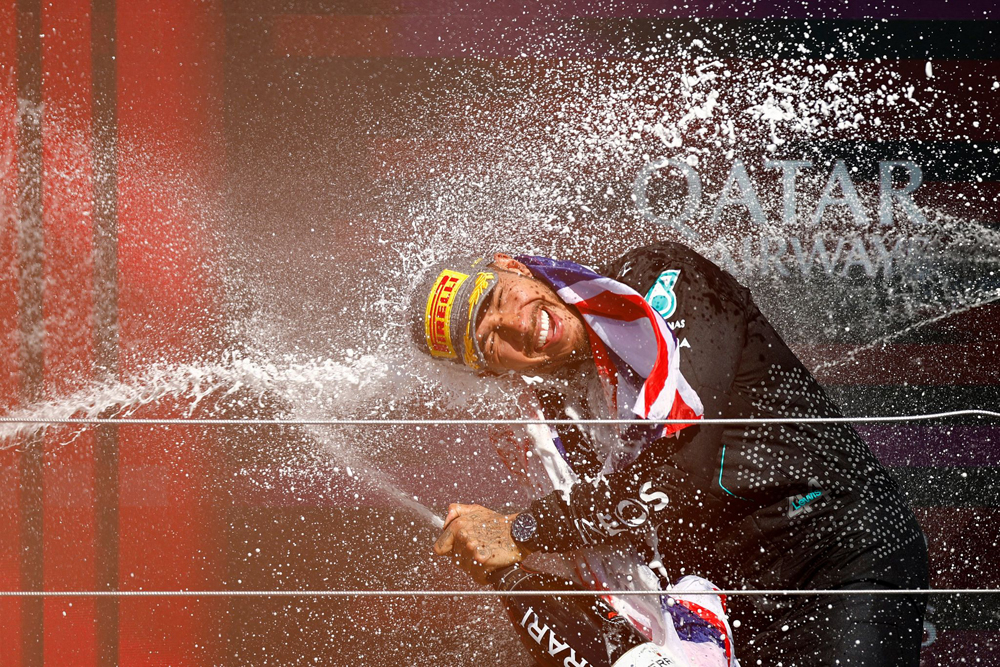
Photo: Formula 1
But therein lies the genius: accidentally or on purpose, vagueness Formula 1 purposes it doesn’t hurt its modern popularity. She helps her. By not committing itself solely to speed, racing or technology, F1 allows everyone to project onto it own version.
Speed fans are furious when regulations slow down cars. Racing fans despair when aerodynamics destroy overtaking. Tech enthusiasts are frothing at the mouth over budget constraints. Then everyone can argue about whose version is correct. For F1 it is not a problem. It’s engagement. Controversy brings clicksit says Sam Philip for Top Gear.
If you disagreethat’s exactly the point. Max Verstappen complaining that “it’s not Formula 1”? It turned out to be the most typical thing for Formula 1: arguing about what F1 really is.
(www.jabuka.tv)