
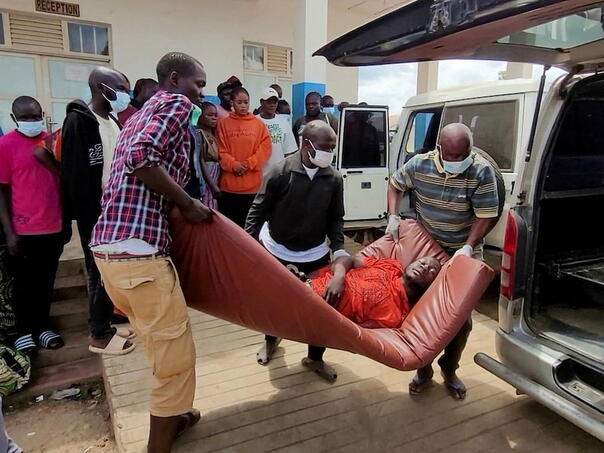
80 suspected deaths, eight laboratory-confirmed cases and 246 suspected cases were reported.
What do we need to know about this infectious disease, Ebola?
– Ebola is an infectious disease, which is accompanied by extremely high mortality and is transmitted from animals to humans and is not found in Europe. The population comes into contact with animals and thus it spreads, and it is transmitted from person to person – said Antonija Verhaz, head of the Clinic for Infectious Diseases of the UKC RS.
She added that there is a fear that infectious diseases will spread from Uganda and Congo to other countries.
– The World Health Organization has issued a warning that it is necessary to prevent the spread of the disease to other countries. BiH and our region is a low-risk area, but we should always be ready to react. There is no vaccine against this virus, there are drugs that are in the testing phase – stated Verhaz, guest in the morning program of RTRS.
African health officials have confirmed the latest outbreak in Ituri province in northeastern DR Congo, along the border with Uganda and South Sudan, the African Center for Disease Control and Prevention said.
Patient zero was a nurse who reported to a health facility in the provincial capital of Bunia on April 24 with symptoms that indicated Ebola.
Ebola is a severe and often fatal viral disease that causes high fever, bleeding and organ failure.
The virus is transmitted by direct contact with the bodily fluids of infected people or animals, and was first identified in 1976 in Central Africa.
The largest outbreaks were recorded in West Africa between 2014 and 2016, when more than 11,000 people died.
Although vaccines and therapies have been developed in recent years for individual strains of the virus, there is still no approved vaccine or specific drug for the Bundibugio strain, which is now registered in the Democratic Republic of the Congo.
Vaccines exist only for the Zaire strain, discovered in 1976, which has a fatality rate of 60 to 90 percent.
(Vijesti.ba)



Chat readers
Join the discussion