
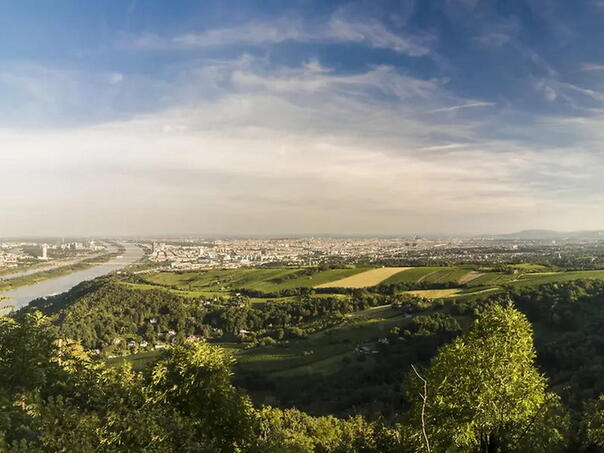
With its new move, this city has shown that even large urban areas can successfully preserve natural treasures and develop them in accordance with European standards.
The former railway area in the settlement on the northeastern edge of the city, neglected and overgrown for years, was turned into a protected area after it was recognized as a valuable home for numerous plant and animal species. It is precisely thanks to this that this terrain has acquired a completely new role, moving from an industrial zone to an important part of the European ecological network.
Natura 2000 does not mean closing space to people, but smart management of nature so that habitats and species are given enough space to regenerate and survive in the long term, while remaining accessible to residents. In this case, the city services plan to remove the old concrete surfaces, restore the natural appearance of the terrain and restore rare steppe habitats, while at the same time cleaning the space from invasive plants that have been suppressing native species for years. The restored area will create conditions for the life of amphibians, reptiles and pollinators such as wild bees, and part of the terrain will be used for ecological grazing of domestic animals, which additionally contributes to habitat maintenance.
With this expansion, the Austrian capital now has six areas within the Natura 2000 network, making it one of the few European cities that have so many high-value natural areas within their borders. Such a status brings not only prestige, but also a clear obligation to regularly monitor and improve the condition of species and habitats, with open cooperation with citizens who will be involved through education, field trips and volunteer activities.
Thus, the former industrial area is now becoming a space where nature is slowly returning, creating a new green spot on the city map that will benefit both people and animals, announced the City of Vienna Office in Sarajevo.
(Vijesti.ba / FENA)


