
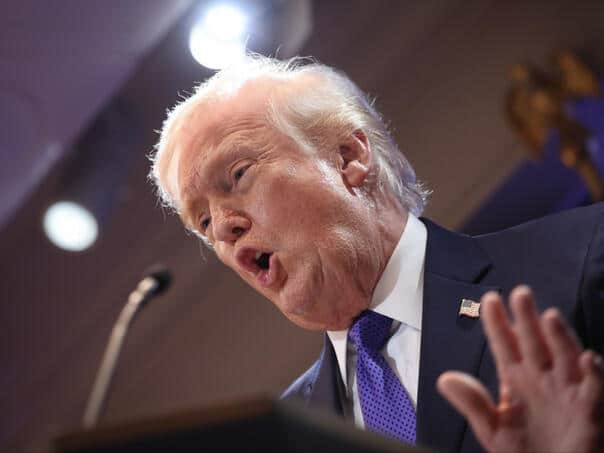
Trump: The conflict is over, but the threat remains
In a letter to congressional leaders, House Speaker Mike Johnson and Senate President Pro Tempore Chuck Grassley, Trump asserted that the war, which began two months ago without congressional approval, was over. “The hostilities that began on February 28, 2026 have ended,” Trump wrote. However, in the same letter, he made it clear that the military actions may not be over. “Despite the success of the United States’ operations against the Iranian regime and continued efforts to ensure lasting peace, the threat Iran poses to the United States and our Armed Forces remains significant,” the president said, quoted by Index.hr.
Avoiding the War Powers Act deadline
Under the War Powers Resolution of 1973, the president must obtain congressional approval for military actions lasting more than 60 days. By declaring the conflict over, the Trump administration is effectively “resetting the clock,” which could make it harder for Congress to challenge the president’s powers. Trump stated in the letter that he ordered a two-week ceasefire on April 7, which has since been extended, and that there has been no exchange of fire since that date.
Defense Secretary Pete Hegseth made a similar argument before the Senate Armed Services Committee, suggesting the 60-day deadline could “pause or stop” during the ceasefire. Democrats have rejected such an interpretation, arguing that the naval blockade of the Strait of Hormuz is still an act of hostility. “Stopping the use of some forces while using others does not stop the clock,” said Rep. Adam Schiff. Sen. Tim Kaine told Hegseth he “doesn’t believe the statute would support that.”
Republicans divided on next steps
Although public dissatisfaction with the conflict is growing, the Republican leadership in the Senate does not show any intention to stand up to Trump for now. Majority Leader John Thune said Thursday that he does not plan to vote on authorizing the use of force. The same day, the Senate voted 50 to 47 to reject a Democratic resolution that would have forced Trump to end operations or seek congressional approval.
Still, more and more Republicans believe Congress should have a say. Sen. Susan Collins of Maine voted with Democrats for the first time on Thursday to end the war. “The president’s powers as commander-in-chief are not unlimited,” Collins said, adding that the 60-day deadline “is not a proposal, but an obligation.” Republican Rand Paul from Kentucky also voted with her.
Sen. Lisa Murkowski of Alaska announced that if the administration does not present a “credible plan,” she will introduce a proposal for limited authorization for the use of military force after a week’s recess. “I believe we should not engage in unlimited military action without clear accountability. Congress has a role to play in that,” Murkowski said. Among the Republicans who have expressed their desire to vote are Senators John Curtis, Thom Tillis and Josh Hawley.
“Legal room for maneuver”
Some Republicans, such as Senator Kevin Cramer, question the constitutionality of the Vietnam War-era War Powers Resolution itself. “Our founders created a really strong executive branch, whether anyone likes it or not,” Cramer said. Sen. Todd Young commented on Trump’s move, saying, “Sounds like you’ve secured some room for maneuver. We’ll look at whatever they send.”
The Trump administration argues that any future military action would constitute a separate engagement within the meaning of the War Powers Act. The letter said the Ministry of Defense continues to adjust the deployment of forces to respond to threats. Democrats, however, remain skeptical. Adam Smith, the top Democrat on the House Armed Services Committee, summed up his mistrust: “Is the Trump administration expected to follow the law? I don’t.”
(Vijesti.ba)



Chat readers
Open a chat for this news