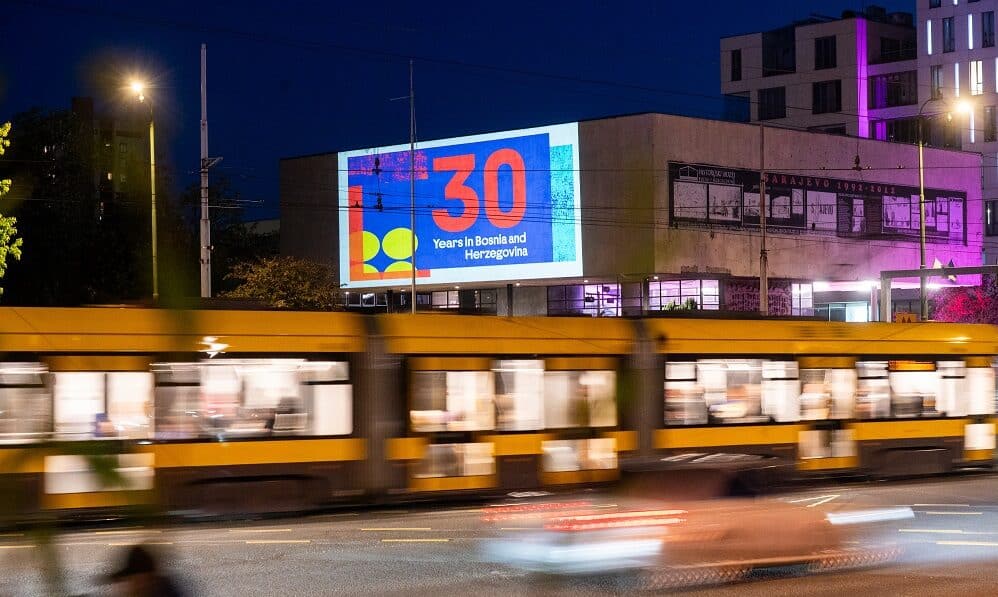
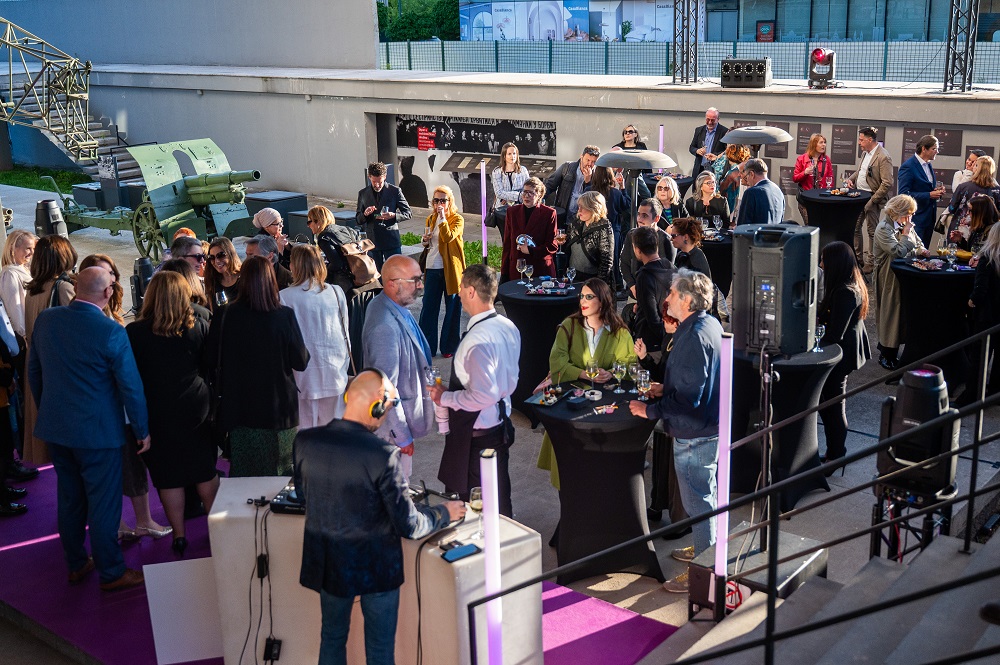
Last night, at a reception held at the History Museum in Sarajevo, the British Council marked 30 years of partnership and cooperation in Bosnia and Herzegovina, celebrating three decades of strengthening education, art and culture, creative industries and learning English, as well as supporting media and youth development across the country.
Since opening its office in Bosnia and Herzegovina in 1996, the British Council has worked with institutions, teachers, artists, young people, civil society organizations and communities across the country to create opportunities, build connections and support positive change.
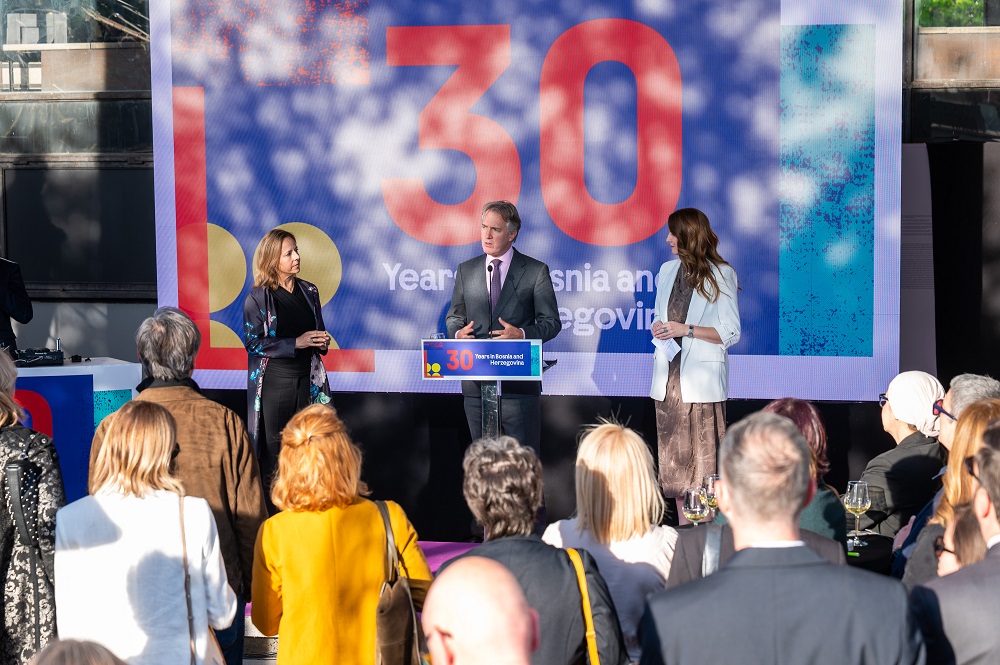
“For 30 years, the British Council has helped to further connect people in Bosnia and Herzegovina and the United Kingdom – through partnerships, collaboration and long-term impact. Working with institutions, teachers, artists, youth and communities across the country, he has created opportunities, built connections and supported positive change through education, arts and culture, media development and the creative industries. The UK is proud of these partnerships and we remain committed to strengthening those links for generations to come“, said Julian Reilly, the British ambassador to Bosnia and Herzegovina.
Over the past three decades, the British Council has implemented a wide range of leading programs that have left a lasting impact on society in Bosnia and Herzegovina.
One of the longest-running initiatives is Military English Support Project – MESPwhich is implemented in close partnership with defense institutions in the country. Through two main training centers and a network of additional learning centers, the program supported the development of English language skills among military personnel and strengthened international cooperation and communication skills, preparing them to work in an international environment.
The British Council has also empowered hundreds of citizens through the programme Active Citizenswhich encouraged intercultural dialogue, community engagement and youth leadership throughout Bosnia and Herzegovina. The program enabled individuals and communities to design and implement social action projects aimed at solving local challenges and strengthening connections between citizens.
In the field of arts and culture, the British Council played a key role in connecting Bosnia and Herzegovina with the contemporary creative scene of the United Kingdom. Through its arts programme, the organization has supported major festivals, facilitated collaborations between artists from the UK and Bosnia and Herzegovina, and brought internationally recognized exhibitions and artists to the country, including works Damien Hirst, Grayson Perry and Brian Eno.
Among the most significant cultural initiatives was the program Connecting Creativelylaunched on the occasion of commemorating 100 years since the beginning of the First World War. The program explored the common past and contemporary dialogue through four areas: theater, film, museums and schools, encouraging regional and international cooperation through creativity and artistic exchange.
“Over the past 30 years, the British Council has had the honor of working with partners and communities throughout Bosnia and Herzegovina. Together, we have supported generations of young people, artists, teachers, journalists and leaders in developing skills, connecting and creating opportunities for the future. This anniversary is a celebration of our partnerships and the people who continue to shape a more connected, creative and inclusive society“, said Amila Karavdić, director of cultural cooperation of the British Council in Bosnia and Herzegovina.
The British Council has also contributed significantly to education reform and skills development. Through the program Schools for the 21st century (21st Century Schools), which was conducted throughout the Western Balkans, students and teachers in all elementary schools in Bosnia and Herzegovina were given access to the development of critical thinking, problem solving and programming skills through innovative teaching approaches and the use of micro:bit technology. The program involved hundreds of schools and thousands of teachers and students throughout the region.
In recent years, the British Council has expanded its support for independent media and democratic participation through initiatives such as Media for All and Media for Change. These programs have strengthened the resilience, sustainability and inclusiveness of local media organizations, while supporting quality journalism, media literacy and gender-sensitive reporting across the Western Balkans.
Today, the British Council continues to support the cultural and creative sector through programs such as Creative Growth and Art in Actionwhile simultaneously empowering youth through educational initiatives and the Youth Connects program, helping to create opportunities, inspire talent and strengthen communities.
In marking this important anniversary, the British Council reaffirms its commitment to strengthening cultural relations and educational opportunities between the United Kingdom and Bosnia and Herzegovina for generations to come.