
According to diplomats, Riyadh is looking at the Helsinki process from the 1970s, which eased tensions in Europe during the Cold War, as a possible model. The idea of a non-aggression pact is one of the options being discussed, writes the Financial Times.
The Gulf states in particular fear that after the end of the conflict and the possible reduction of the US military presence, they could be left facing a weakened but still aggressive Iran.
The Helsinki Accords of 1975, signed by the USA, European countries and the Soviet Union and its allies, aimed to reduce security tensions and strengthen cooperation between rival blocs. This model was previously mentioned as a possible framework for the Middle East as well.
The new war in the region has further reinforced the need for urgent security solutions among Arab and Muslim states, which are rethinking existing alliances and the regional security architecture.
Diplomats say some European capitals and EU institutions have backed the Saudi initiative, believing it could help prevent future conflicts and provide security assurances to Iran that it will not be attacked.
At the same time, secret talks are underway between the US and Iran on a possible deal that would end the war and allow the Strait of Hormuz to reopen, although they are mostly focused on Iran’s nuclear program and less on missiles, drones and support for regional paramilitary groups — which worries Arab countries.
One Arab diplomat said that most Arab and Muslim countries would support such a pact, but the question remains as to who would be included. The inclusion of Israel is particularly contentious, as some countries see it as just as big a source of instability as Iran.
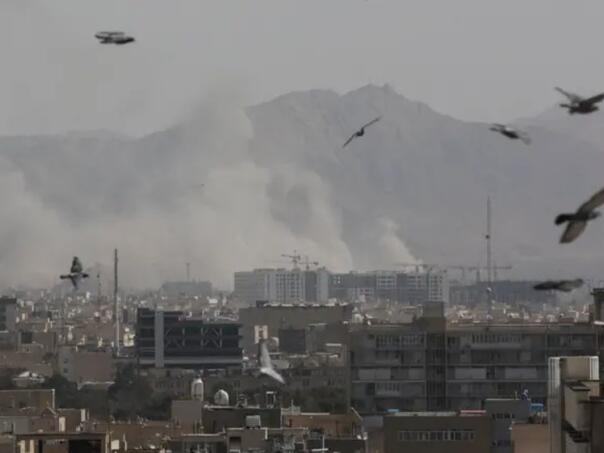
During the war, Iran carried out missile and drone attacks on Gulf countries, targeting energy and civilian infrastructure, further fueling fears in the region.
At the same time, part of the Arab and Muslim countries are increasingly critical of Israel’s military actions after the Hamas attack on October 7, 2023, accusing the Israeli leadership of spreading the conflict in the region.
There are also internal divisions among the Gulf states, particularly between Saudi Arabia and the United Arab Emirates, which have different security and political approaches. The UAE takes a harder line towards Iran and strongly supports relations with Israel, while Saudi Arabia emphasizes more diplomatic and mediation initiatives.
Meanwhile, Pakistan is stepping in as an important mediator and proposing the expansion of regional defense arrangements, including the possible addition of Qatar and Turkey to existing agreements with Saudi Arabia, with the aim of strengthening regional security and economic cooperation and reducing dependence on external powers.
(Vijesti.ba)


Chat readers
Join the discussion