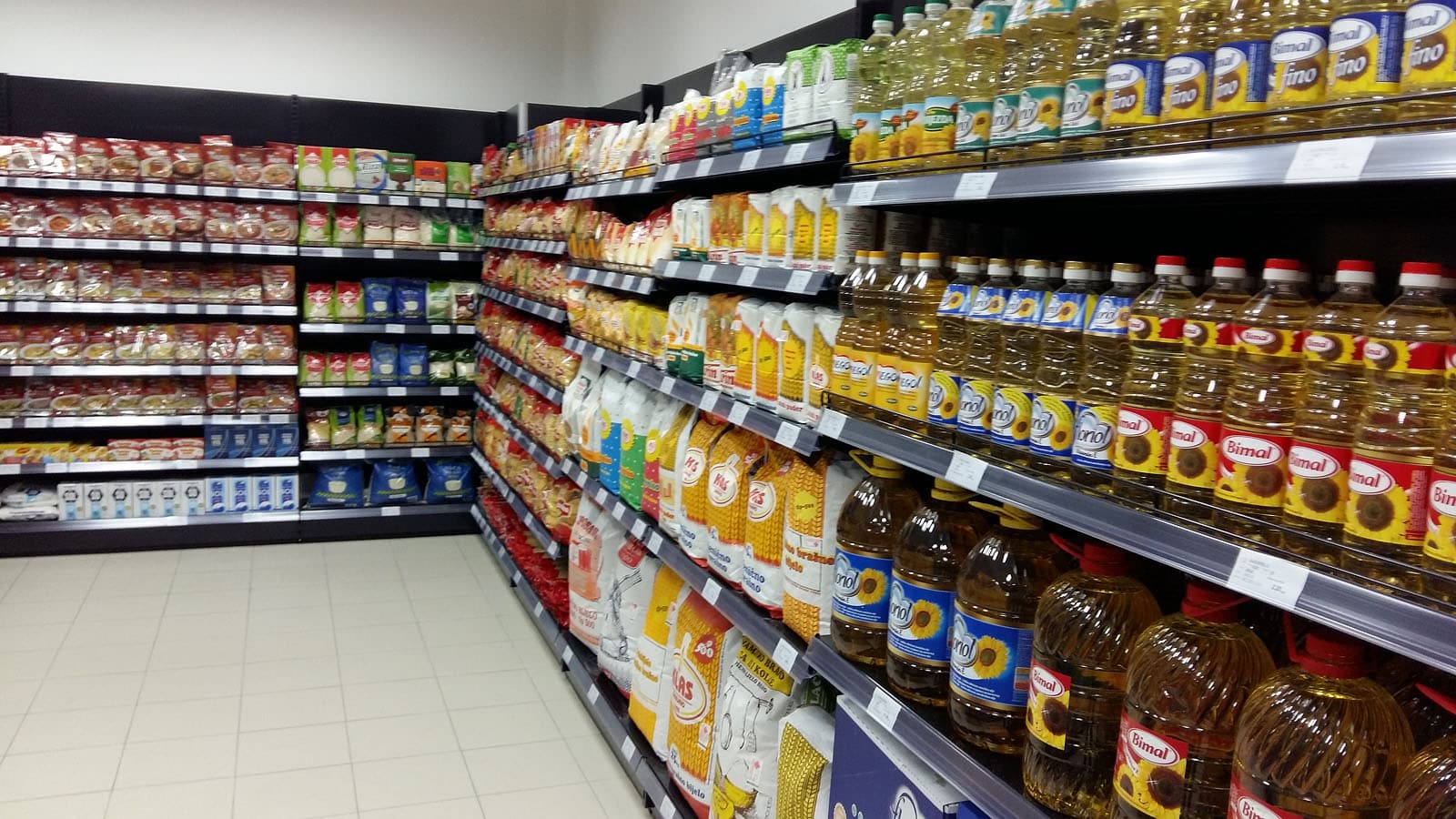
The rise in fuel prices started a chain reaction of price increases, and the citizens of Bosnia and Herzegovina find it increasingly difficult to cover the basic costs of living.
The global crisis is also affecting agriculture, sowing is becoming more expensive, and it is still an open question how much this will affect the growth of food prices. Citizens witness new prices almost every day, he writes BHRT.
Agricultural producers also confirm that the increase in prices is not over. By autumn, they are announcing a price increase of up to 70 percent.
“Inputs in agriculture for this sowing have roughly increased in price between 50 and 60 percent so far, it will continue to rise, as far as fertilizers are concerned, and here is also fuel. In the end, we can count on up to 70 percent higher prices in the fall,” said Nedžad Bićo, president of the Association of Farmers of the Federation of Bosnia and Herzegovina.
“So this production year will be extremely expensive, which will automatically mean that the price of food will also be much higher. I have one message for our viewers, the residents of our country: if you have 100-200 square meters of land, plant something, at least these basic things, because you never know what will happen,” added Mustafa Gradaščević, a farmer from Janja.
The responsible minister confirms that this is one of the biggest crises so far, which he adds – it particularly affects the food sector.
“Our farmers have learned from crises and I think we will maintain this level of production, if we cannot improve it, but of course the state has to do its part. The Government of the Federation has made a decision to task the three line ministries, energy, trade and agriculture, to jointly find a way to allocate about 2.5 million liters of the Federation’s oil terminals to farmers,” said Kemal Hrnjić, Minister of Agriculture, Water Management and Forestry of the Federation of Bosnia and Herzegovina.
Experts note, as they say, that in the chaos of daily fuel price changes, many calculate with prices, taking advantage of the state’s unwillingness to respond adequately.
“There are many more unjustified price increases, with the explanation that this is a consequence of the Strait of Hormuz and all these global events. The state at any time in the future should simply decide and make a strategic plan on how to react in cases of changes in global affairs,” said Željko Rička, an economist.
“The actions of BiH state bodies, they really failed the exam. They don’t think about their citizens at all, and Bosnia and Herzegovina is the only country in the region today that has not done anything about it. There are two ways to do something, either to lower excise taxes, or to lower VAT,” added sociologist Srđan Vukadinović.
They add that the authorities must have a policy that will be acted upon, design what will be acted upon, and therefore activate the necessary mechanisms.