
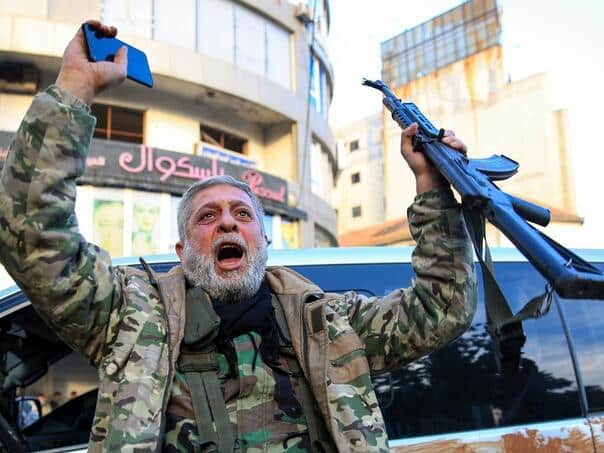
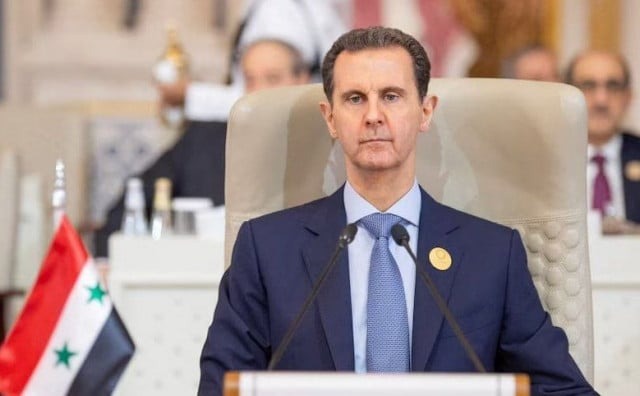
Before half a year, there was a historical reversal in Syria – after a decade of solid autocratic rule, Bashar al-Asad was demolished. Thus, the nearly fifty-year-old era of the Al-Asad family ended, which left a deeply divided society and a destroyed land behind.
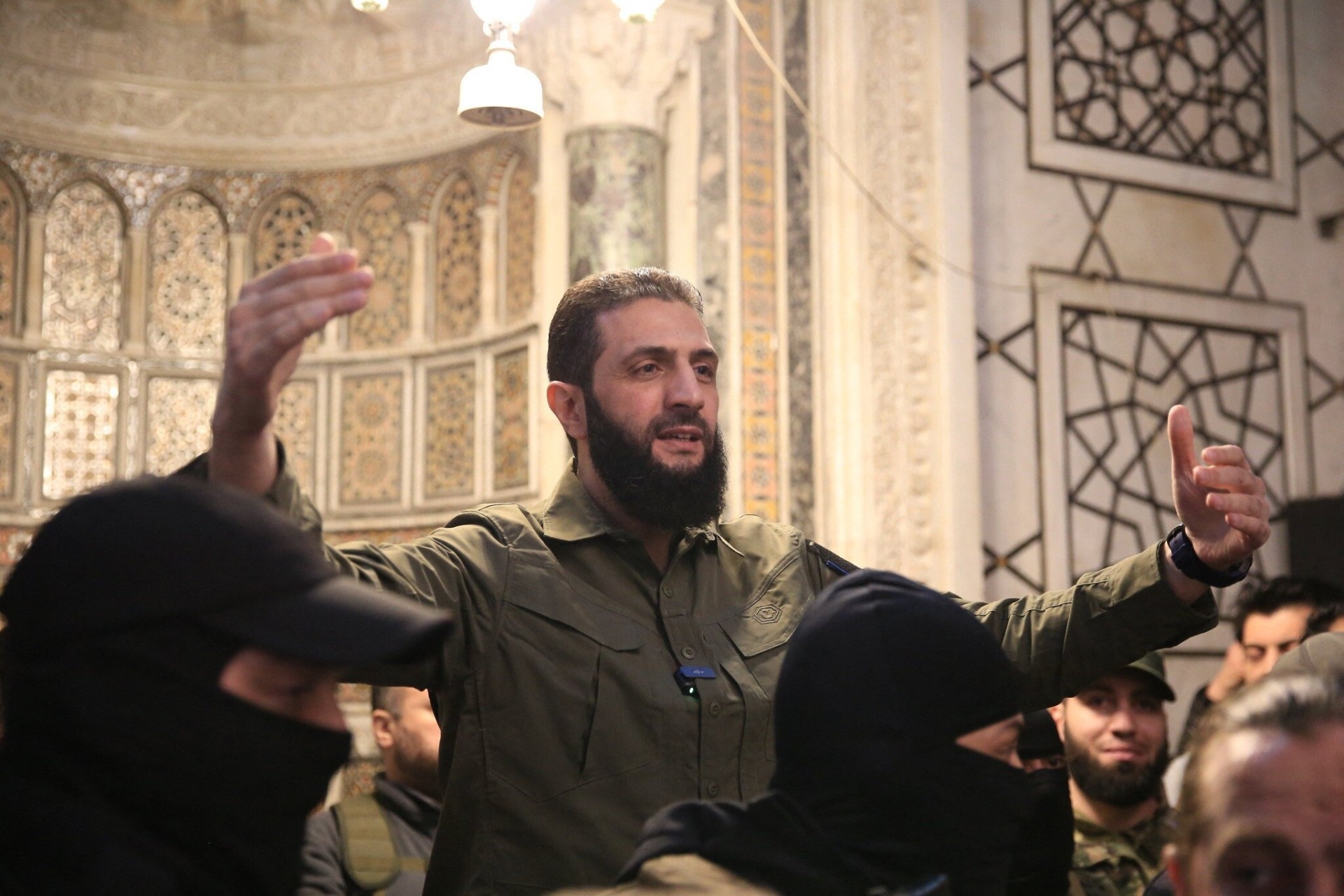
Today, Syria with about 23 million inhabitants managed the transitional government with the Provisional President Ahmed Al-Shar, the former leader of the Islamist Group Hajat Tahrir Al-Sham (HTS) role in Assad’s 8th. December. Asada himself escaped in Moscow.
A hard road to unity
The new government promised “Syria for everything,” but six months later, the question remains – is that a promise fulfilled?
Minorities in the country express concern. The tensions grew after several incidents – from attacks on the buddy at the beginning of May to military operations against the former regime that resulted in a large number of killed Alavit, the religious community to which he belonged to the Assad himself.
Hamud Al-Hinavi, the religious leader of the friend, warned that he was among minorities the fear. “If we don’t learn to accept each other, unrelated to faith, we will never manage to build a nation,” he said.
On the other hand, the Kurds in the northeast of the country agreed to integrate into state institutions, which is a big step towards unity. However, the details of the agreement are still not completely clear. Kurdish leaders remain careful, but also moderately optimistic.
New external policy and end of insulation
One of the key goals of the new government is the renewal of international relations and distancing from Assad’s insulation policy. Al-Shara has already met with several world leaders, including the US President Donald Trump, and was also greeted in Paris by President Emmanuel Macron. In September, he should also address the United Nations General Assembly.
Economic shifts and abolition of sanctions
Damascus recorded important displacements and on the economic plan. After many years of sanctions, the United States of America, and then the European Union, abolished almost all sanctions Syria. This opened the path to the return of the basic necessities, as well as for the arrival of foreign capital necessary for reconstruction.
The Syrian Ministry of Foreign Affairs called this move “historical step”.
A long way in front of Syria
Although the Earth is slowly opening and returning to the international scene, the everyday life of many Syrians is still heavy. According to UN, about 90% of the population depend on some kind of humanitarian aid, and poverty is still deeply rooted.
However, about 400,000 refugees have already returned home. Many of them say they still feel uncertainty, but also hope. “There are days when we wonder if this new Syria is different,” said one returnee. “But there are also days when we believe that, step by step, we move in the right direction.”
Hope, it looks, still lives.
(Vijesti.ba)


