
Military aid “is not a long-term or sustainable solution” to opening the strait, Arsenio Dominguez told the FT.
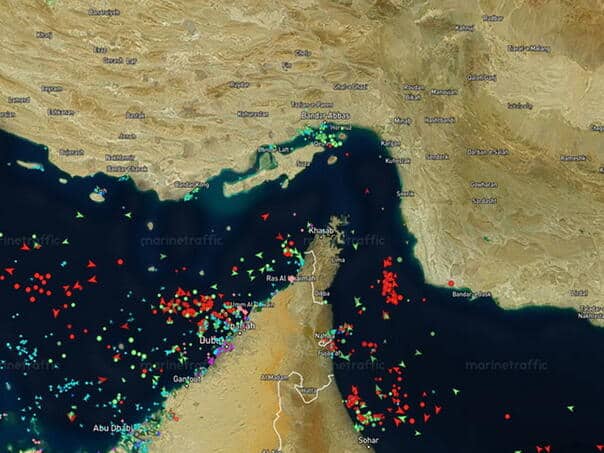
The key Strait of Hormuz, through which 20 percent of the world’s oil and liquefied natural gas passes, remains largely closed, raising energy prices and inflation fears.
The shutdown is also forcing a quick and expensive overhaul of supply chains to keep essential imports flowing, as logistics companies race to overcome issues related to ship rerouting, overland transport and preventing perishable goods from deteriorating.
“We are the collateral damage of the conflict and the underlying causes have nothing to do with shipping,” Dominguez told the newspaper, adding that the IMO was seriously concerned about ships stuck in the Gulf running out of food and supplies for their crews, Hina reported.
The IMO Council will hold an extraordinary session on Wednesday and Thursday at its headquarters in London to address the impact of the conflict in the Middle East on shipping and seafarers.
Dominguez called on shipmasters “not to sail and not put seafarers and vessels at risk,” according to the report.
(Vijesti.ba)


