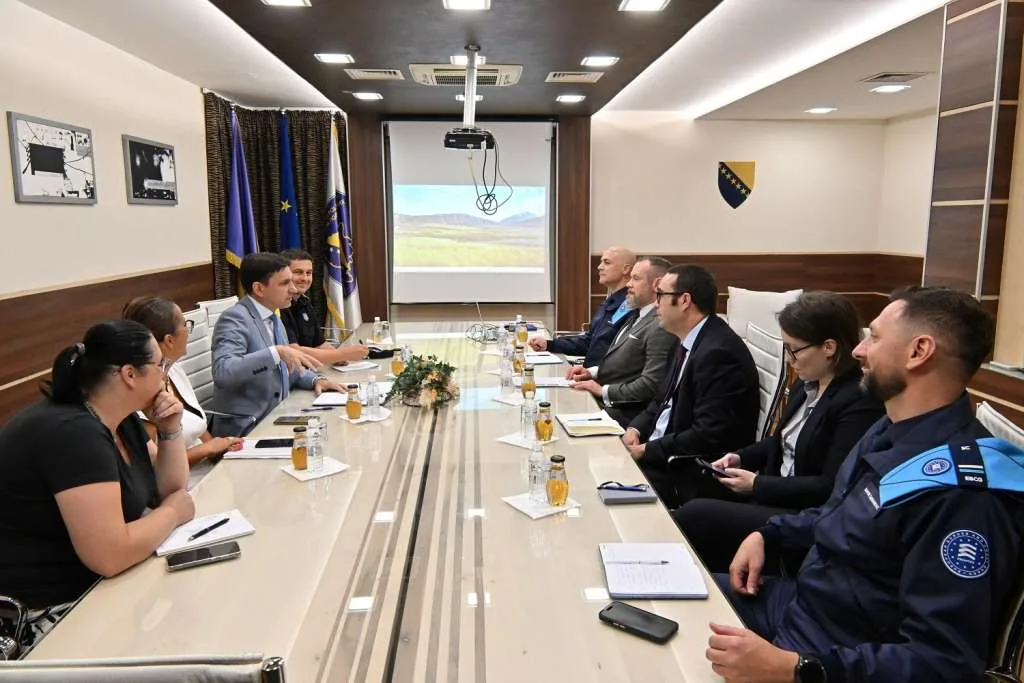
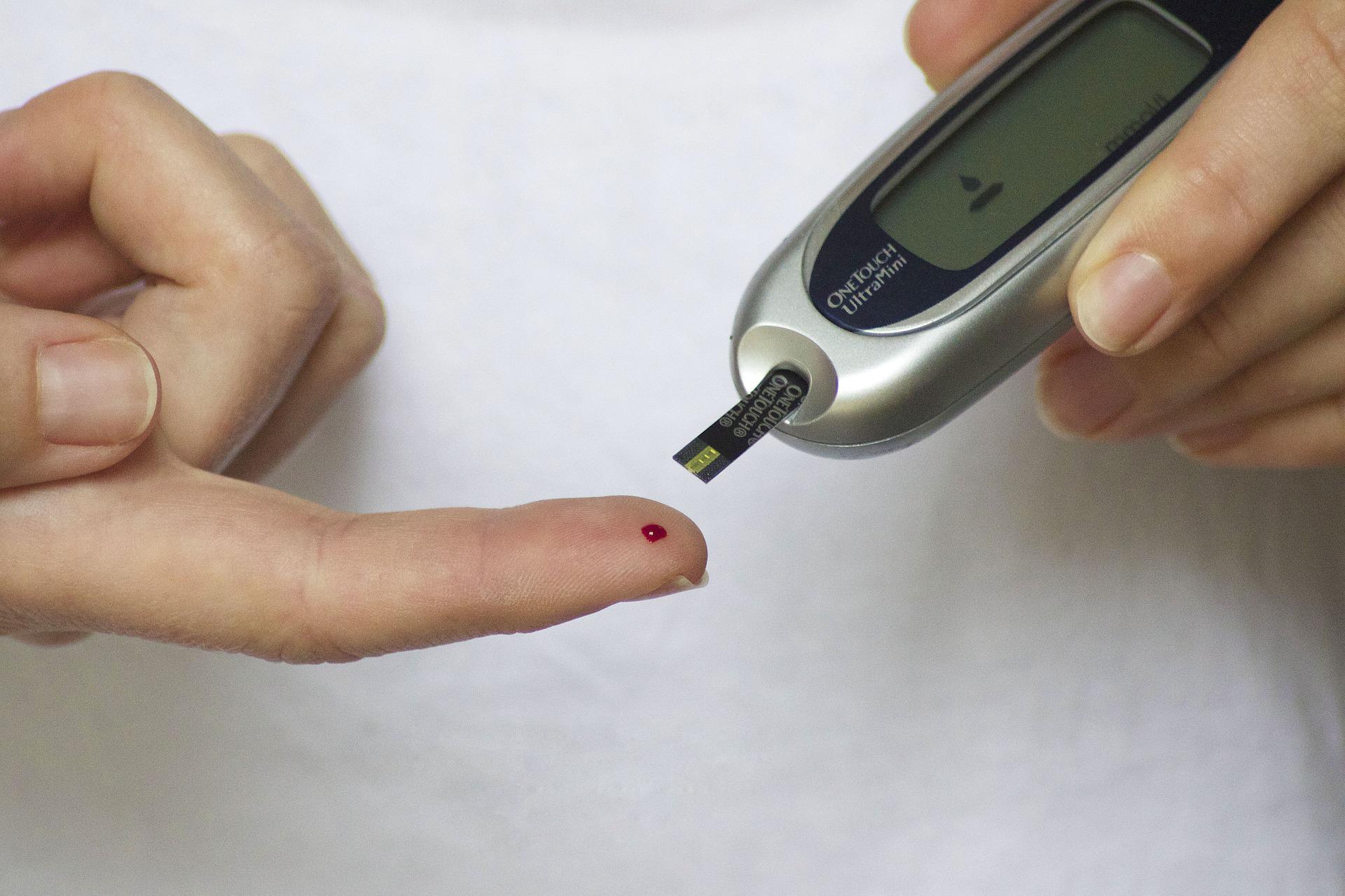
The Office for the Audit of Institutions in the Federation of Bosnia and Herzegovina conducted a performance audit with the intention of examining the activities of institutions to ensure the prerequisites for effective health care for people with diabetes, with a focus on children.
The audit included fifteen subjects relevant to the subject area: the Federal Ministry of Health, the Institute of Health Insurance and Reinsurance of the Federation of Bosnia and Herzegovina, the Institute of Public Health of the Federation of Bosnia and Herzegovina, ministries responsible for health, health insurance institutes and public health institutes from the Tuzla, Herzegovinian, Central Bosnia and Sarajevo cantons. The time scope of the audit was the period 2021-2024, and available data for 2025.
The findings of the audit indicated that there are no reliable and complete records of people suffering from diabetes in the Federation of Bosnia and Herzegovina. The RegiZ software system, which has been in use since 2023, does not include all patients and is faced with technical and organizational limitations, which is why it does not provide a reliable basis for health care planning.
The Federation of BiH does not have a valid strategic document for the fight against diabetes. After the expiration of the Strategy for the fight against diabetes for the period 2014 – 2024, no activities were initiated to create a new strategic framework, nor were reports prepared on the implementation of earlier measures. Also, the standards and norms of health care have not been revised since 2018, although, according to experts, they do not correspond to the real needs of patients.
A special challenge is the insufficient number of children’s endocrinologists since, out of the total number of specialists in that field, only four are children’s specialists. This makes quality healthcare for the youngest patients difficult. Protocols for handling children with diabetes in schools have not been developed, which contributes to inadequate protection in the school environment.
The procurement of medical equipment for children with diabetes was not sufficiently aimed at ensuring the quality and functionality of the equipment in accordance with the needs of the users. In some cases, parents were forced to bear additional costs due to the unreliability of the purchased devices.
Based on the findings of the audit, the Audit Office made recommendations related to the improvement of records on diabetes patients, strengthening the planning and implementation of health care measures, and ensuring the procurement of quality medical devices in accordance with the needs of sick children. By improving the situation in that area, it is possible to achieve significant added value, which is reflected in the provision of the highest level of health care for that population, the Office for the Audit of Institutions in the FBiH announced. Radio Sarajevo.