
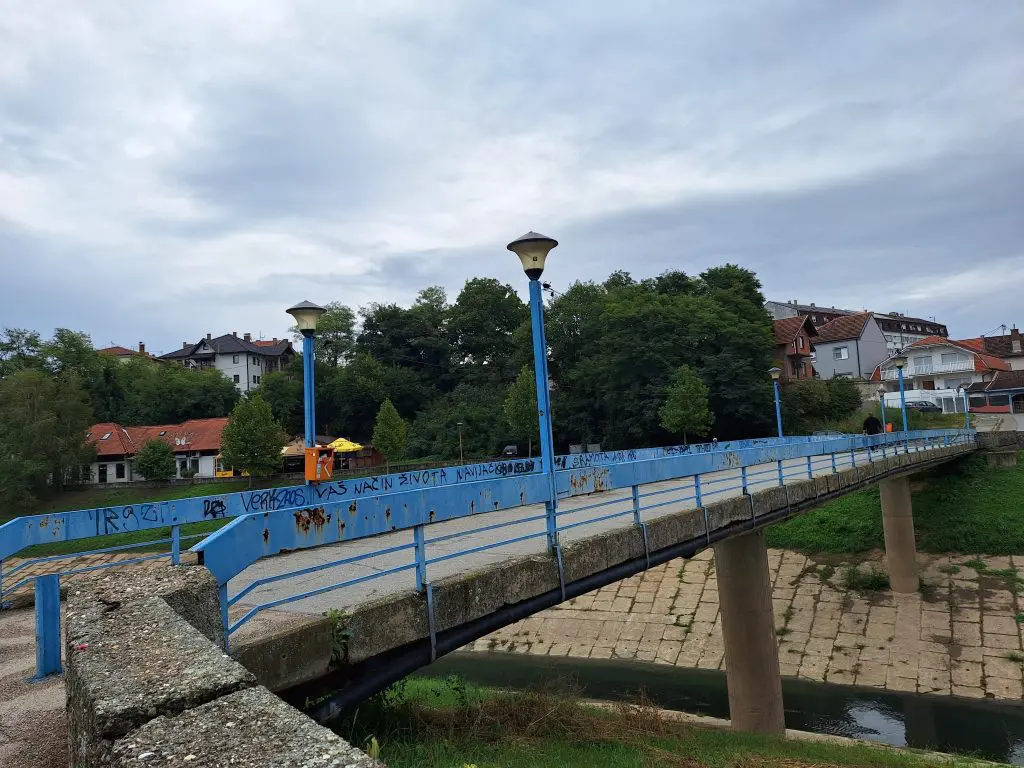
The city of Brcko, located on the right bank of the Sava, is known for its multiethnic culture and rich history, but also by bridges that have joined the coasts and people throughout the ages.
Among them, a special place occupies two pedestrian bridge over the Brka River – Female and Male Bridge, which connect the settlement to Kolobar with the city center.
Although they cross thousands of people every day, few of them know that these bridges used to have special social significance and symbolism.
At the time of the Ottoman Empire, the women’s bridge was reserved exclusively for women, then Muslim women, who moved covered heads and faces. The transition of men was not allowed, thus expressing respect for women of that time. In addition, women were exempt from Mostarina, while men had to use another transition – male bridge, located not far from the Sava Mosque, and pay for him.
Such a social order reflected the then culture and attitude towards women, but also the separation of everyday life by gender, which is hardly conceivable today. Over time, the bridges changed their appearance and purpose, and today’s form were given in the period of the former Yugoslavia. Today, all – both men and women use them without difference – while their past tone slowly into oblivion.
The female and male bridge still remain unused potential in the tourist offer of the Brčko District, although they have a rich historical and symbolic value. With minimal investment and creative vision, these bridges could be converted into attractive counting points that would bring visitors closer the past and identity of the city. Recognizing this potential, the representatives of our party in the Brčko District have launched an initiative thanks to which women’s bridge should soon get a new look, writes Noise.


