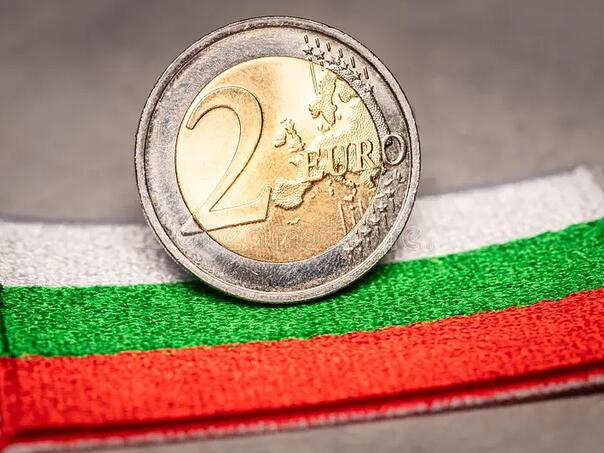
“If Bulgaria is joined by eurozone, it will be like boarding the Titanic,” he said for AFP Nikolaj Ivanov, a retired high official, on a recent protest on which the national currency is required.
Since January, opponents of the introduction of the common European currency in Bulgaria have launched protests and require a referendum on the issue, in the middle of the flood of misinformation.
Memories of the 1996-1997 economic crisis. When there were 14 banks bankrupt, and hyperinflation exceeded 300 percent, re-revived and further amplified opposition.
Several recent surveys showed that almost half of the examined opposes joining Bulgaria eurozone.
The hearing reiterated propaganda against the EU, and many of those who oppose the introduction of the euro began to mahat in Russian flags.
Bulgaria, who joined the European Union in 2007. year, the poorest member of that block.
“The poor fear to become even poorer,” said Borjana Dimitrov, director of the Institute Alpha Research.
This, in combination with mistrust in institutions after years of political instability, created fertile ground for fear among 6.4 million inhabitants from economic change.
This fear has further underwent certain political groups, including the extremely right-wing party Vazrazhdana, which organized a new protest against the euro on Saturday in the capital.
The Project President of the Earth, Rumen Radev, given the statement in early May, also inviting the referendum on this issue.
This week he accused the Government not to take the necessary measures to enable the “most vulnerable” to submit shock transition to the euro.
According to Eurostat, a third of the citizens of Bulgaria last year was faced with the risk of poverty or social exclusion.
In the misinformation they are shared on social networks, false argues that the introduction of the euro “Brussels will confiscate your savings to finance Ukraine”.
Meanwhile, the pro-European voices are struggling to receive public attention.
“In Sofia and larger cities, the population – richer, more educated and younger – see it as a logical next step in the process of European integration,” Dimitrova said.
(Vijesti.ba)