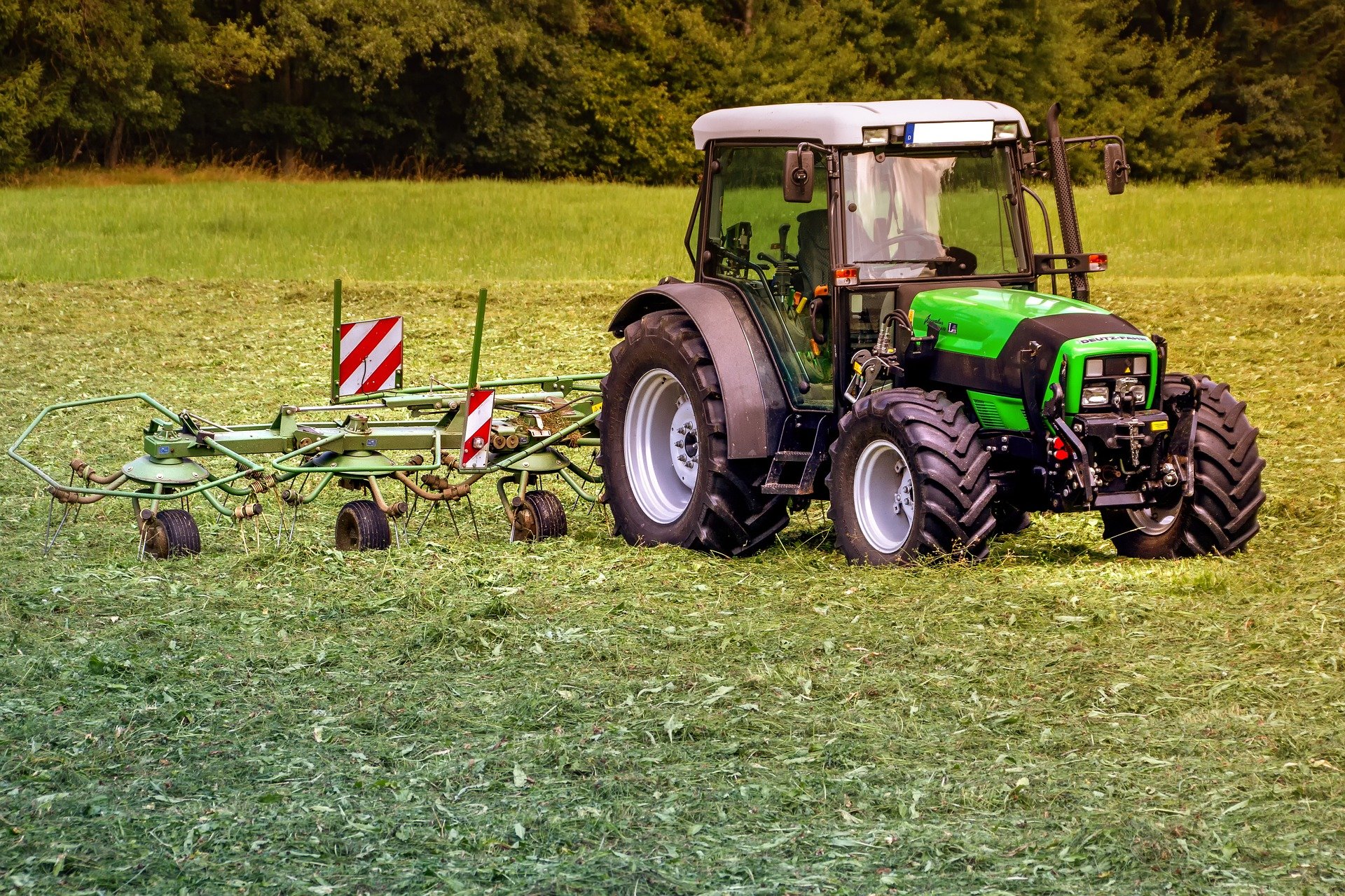
Due to the increase in fuel prices, as well as mineral fertilizers and certain types of seed material, farmers in Bosnia and Herzegovina have started sowing, which many consider to be the most expensive in history.
Due to the war in the Middle East and disruptions in supply chains, a liter of oil is more expensive by more than one KM compared to last season. Fertilizer prices, depending on the type, are higher by 200-300 KM per ton, and the farmers’ association emphasizes that the price of seed material has increased by almost 17 percent.
Perica Marošević from Orašje is currently cultivating around 200 hectares of land, on which soybeans, corn, wheat and barley will be sown. He says that farmers in Semberija have significantly higher costs for fuel and fertilizer, while they managed to get corn and soybean seeds at the previous prices.
A late boost
– If we have an expensive sowing, of course the harvesting will be more expensive. However, there are no rules. Of course, we are also concerned about the situation in the world. As soon as we heard that fuel prices would go up, and that there would be shortages, we took certain quantities. The incentive for the last season was also delayed, so many did not even have anything to buy fuel for. So that’s a double minus. I don’t believe that we will ever get better, this is our reality – says Marošević.
The President of the Association of Farmers of Semberija and Majevica, Savo Bakajlić, confirms that he does not remember a more expensive sowing than this one, which was temporarily postponed by a period of bad weather.
Inflation ate
– In January, when the incentives were supposed to be paid, KAN fertilizer was 80, and now it is 120 KM for 100 kilograms. The incentives, which inflation has eaten up, are useless now. Elections are waiting for us, some will fight for seats, to live on handouts without work, and our hosts are waiting for 28,000-30,000 hectares under corn, about 18,000 hectares under wheat… – says Bakajlić.
Last year, Bosnia and Herzegovina allocated almost five billion KM for imported food alone, because domestic production meets only 20-35 percent of the needs of the local population. Bakajlić predicts a hungry autumn.
“Hungry Autumn”
– I am most worried about the cities in BiH, because they will not have anything to eat, they will survive on what is imported and eat what no one in Europe will want. We are a good market for such things, because we disagree. For years, we have been fighting to protect domestic production, and our politicians are arguing about the excise tax of 10 marks. To me, that 10 KM does not mean anything to the fuel tank, but it would mean support for my product to be consumed here. A bull, a lamb, a pig, it doesn’t matter what it is, but that a man sees what he gives to his children and what he gives money for – emphasizes Bakajlić, he states Avaz.