With the arrival of summer and high temperatures that can cause various health problems, such as collapse, sunstroke, heat stroke, but also more serious ones – heart attack and stroke.
However, food poisoning should not be neglected either. You definitely do not want cramps, stomach pain, diarrhea, nausea and vomiting.
Food spoils easily in summer temperatures, and it is necessary to pay special attention to certain types of food.
We contacted the BiH Food Safety Agency and asked which foods are particularly dangerous if consumed spoiled, and how to store food.
Foods that spoil the fastest
Foods that spoil the fastest in summer include foods rich in protein and moisture. The most risky are dairy products, meat, eggs, seafood, and freshly cut fruits and vegetables. Due to high temperatures and humidity, bacteria multiply extremely quickly on these foods, which can lead to food poisoning
– And these are again all products that are subject to the so-called temperature regime that should be kept at certain temperatures, that is, preferably below six degrees Celsius, in order to stop or slow down the growth and development of bacteria and thus prevent the occurrence of food poisoning – says Dalibor Vidačak, spokesperson of the BiH Food Safety Agency.
These foods require special caution and strict refrigeration, and some should not be kept at room temperature for even an hour:
Dairy products: Milk, yogurt, fresh cheese, cream and ice cream. At room temperature, they spoil within a few hours.
Meat and meat products: Raw meat, minced meat, poultry, sliced dried meat products and pates.
Eggs and dishes with eggs: Mayonnaise, cream cakes, homemade sauces and salads containing eggs.
Fish and seafood: They are extremely delicate and must be kept on ice or in the refrigerator until preparation.
Sliced fruits and vegetables: Watermelon, cantaloupe, pineapple and salads lose their protective coating by peeling and cutting and become a breeding ground for bacteria if they sit in a warm place.
Cooked food and ready meals: Leftovers of cooked meals (especially rice and dishes with sauces) should not be left on the table for more than one to two hours.
Chicken: It is known that chicken is particularly sensitive and perishable even at lower temperatures. If you prepare chicken food, as soon as it cools down, if you don’t eat it. you must put it in the fridge within an hour.
How to avoid food poisoning
Food poisoning is best prevented by preventing the growth and reproduction of bacteria naturally present in certain types of food.
The most common food-borne disease is salmonella.
– When it comes to prevention itself, it is recommended that consumers, to the extent that it is up to them, adhere to the so-called five keys for safer food developed by the World Health Organization. In short, it refers to the hygiene of people who handle food, the hygiene of utensils and work surfaces that come into contact with food. Salmonella or salmonellosis are also called diseases of dirty hands, therefore, they are bacteria, bacteria migrate, they move from dirty work surfaces due to inadequate hygiene and the people who handle them – points out Vidačak.
Forget room temperature
It is very important to store food at appropriate temperatures. It is important to remember that microorganisms multiply very quickly in food that has been left at room temperature.
– Because the growth and development of certain bacteria stops, and for others it slows down at temperatures below 5 and above 60 degrees Celsius.
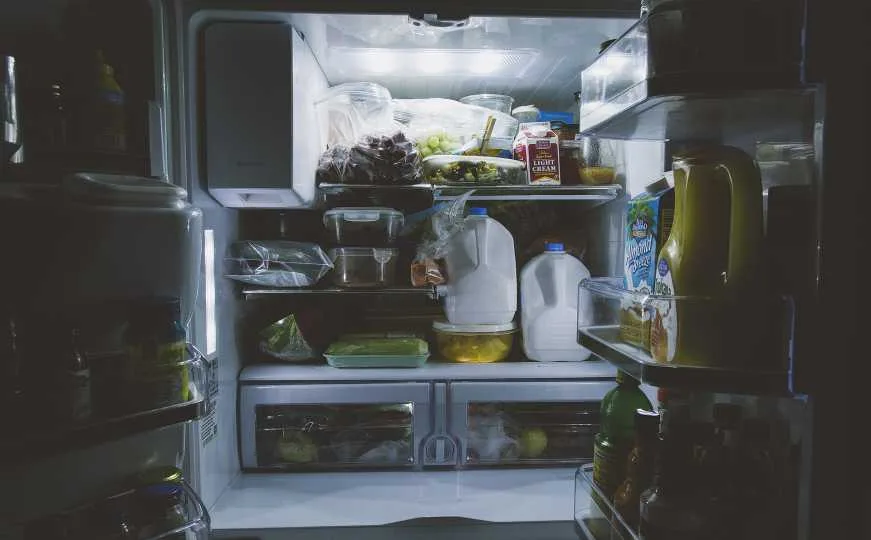
All perishable foods should be stored in the refrigerator, or all frozen foods in the freezer. Refrigeration devices must not be overcrowded, for better circulation of cold air. Store thermally processed and raw food in separate compartments of the refrigerator.
Before storing in the refrigerator, thermally processed food should be cooled and stored in the refrigerator within 30 minutes of cooking, or one to two hours at the latest.
Store fresh meat at refrigerator temperature on the lowest shelf in a container closed with a lid or covered with foil – adds Vidačak.
Food preparation
Before using food preparation equipment, be sure to wash and disinfect it, if necessary.
– Protect kitchen surfaces where food is prepared and food from insects, rodents and other animals. When preparing food, separate raw food from cooked food. Separate raw meat and seafood from other foods. When processing raw food, use separate utensils, knives, cutting boards – says Dalibor Vidačak, spokesman for the Food Safety Agency of Bosnia and Herzegovina.
More useful tips
In order to prolong the freshness of perishable foods during the summer, there are some useful tips. Above all, always buy food from reliable sources and avoid exposing food to heat for too long during transport.
Use portable coolers or thermal bags when carrying perishable foods from the market or grocery store. In the kitchen, keep the refrigerator at the optimal temperature and regularly check the expiration dates on the packages.
Using vacuum containers and food wraps can help reduce exposure to air and slow the spoilage process.
If you are not sure if the food is still safe to eat, it is best not to risk it and throw it away.
In addition, a microwave oven can cook food unevenly and leave cold areas where dangerous bacteria can survive. Make sure that the food cooked in the microwave is at a safe temperature at all times.
By following these tips, you can enjoy fresh and safe foods all summer long, reducing the risk of food poisoning and other health problems. Factor.