
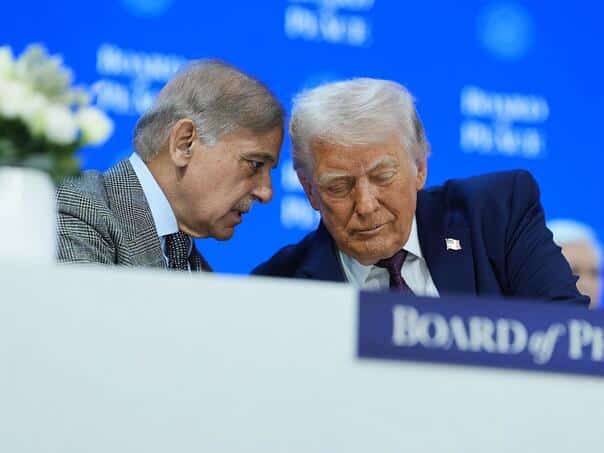
Pakistan has acted as a mediator in recent weeks, relaying messages between the two sides and helping to reach a fragile agreement, writes the BBC, as quoted by Index.hr.
Tense negotiations behind the scenes
Speaking on condition of anonymity, a Pakistani source revealed to the BBC that the talks were taking place at an “accelerated pace”. The talks were led by a “very narrow circle” of people on the Pakistani side, and the mood was described as “serious and somber, but still very hopeful that the outcome will be a cessation of hostilities. Only a few hours remain.” The source noted that he was not part of that inner circle.
Pakistan has historical ties with Iran, with which it shares a border, and regularly refers to “fraternal” relations. On the other hand, US President Trump called the commander of the Pakistani armed forces, Field Marshal Asim Munir, his “favorite” field marshal, noting that he knows Iran “better than most.”
Obstacles on the way to an agreement
The deal, however, was far from certain. Pakistani Foreign Minister Ishaq Dar told parliament on Tuesday night: “Until yesterday, we were very optimistic that things were moving in a positive direction,” but the situation was complicated by Monday’s Israeli attack on Iran and Iran’s attack on Saudi Arabia. Despite this, he said, Pakistan was “still trying to manage the situation as much as possible”.
Field Marshal Munir was even harsher. In an address to military officials on Tuesday, he said that Iran’s attack on Saudi Arabia “spoils sincere efforts to resolve the conflict peacefully.” It was one of the harshest messages Pakistan has sent to Iran since the conflict began. Some analysts believe that this increased the pressure on Iran, given that Pakistan has a defense agreement with Saudi Arabia, which is currently not activated.
Diplomatic ending
After midnight local time, Pakistan’s prime minister posted on the X social network that “diplomatic efforts are progressing steadily and strongly, with the potential to yield significant results in the near future.” He asked President Trump to extend the deadline by two weeks, and asked Iran to open the Strait of Hormuz for the same period.
Around three in the morning local time, Iran’s ambassador to Pakistan, Reza Amiri Moghadam, announced on X that “a step forward from a critical, sensitive stage” had been achieved. Shortly before 5:00 a.m., Pakistan’s prime minister confirmed that a ceasefire had been agreed and invited both sides to a meeting in Islamabad on Friday, April 10, to “continue negotiations on a final agreement.”
A fragile peace and an uncertain future
Despite the agreement, the situation remains tense. “We remain very cautious,” a Pakistani source told the BBC, noting the “remaining fragility” of the situation. According to him, there is still no trust between the parties, and positions are firmly rooted. While Pakistan may be able to bring both sides to the negotiating table, the key question remains as to what they can agree on in the first place.
(Vijesti.ba)


