Ahead of the 2026 World Cup, which kicks off in less than two weeks, the International Football Association Board (IFAB) has approved a number of significant changes to the Laws of the Game.
The new measures are aimed at combating discrimination, reducing delays and speeding up the game, and will be applied for the first time at the World Cup in the USA, Mexico and Canada.
More severe penalties for unsportsmanlike conduct
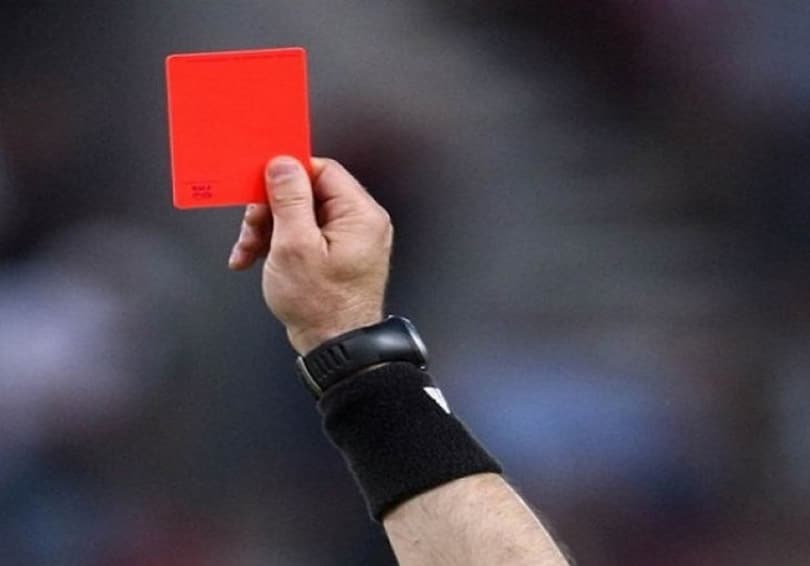
Among the most important news is straight red card for players who cover their mouths with their hand, forearm or jersey during a confrontation with an opponent or referee. Players who leave the field in protest, as well as members of the coaching staff who encourage them to do so, will be punished with a red card. A team that stops the game by leaving the field will automatically lose the match.
VAR gets more powers
VAR’s powers have also been expanded. In the future, the system will be able to intervene in case of wrongly awarded second yellow cards, substitution of player identity and obvious mistakes in awarded corners. VAR will also be able to react to fouls that preceded the suspension.
End of “tactical time-outs”
FIFA has decided to put an end to the increasingly frequent “tactical time-outs” during breaks due to injuries, especially to goalkeepers. According to the new protocol, players will not be allowed to leave the court to talk to the coaches while assisting the goalkeeper.
New measures against procrastination
The judge will visually count down five seconds for take-out and goal-out. If the throw-out is not taken in time, the ball belongs to the opponent, while a corner kick will be awarded for a missed goal-out. When substituting, the outgoing player will have ten seconds to leave the field at the nearest point. Otherwise, his substitute will be able to enter only one minute after the game resumes.
Changes in medical care
The new rule also applies to medical assistance. A player who is assisted on the field will have to remain off the field after play resumes one minutewith exceptions for goalkeepers, serious injuries and certain special situations.
Mandatory hydration breaks
Compulsory ones are also introduced at all World Cup matches three-minute hydration breaks in each half, which will be held approximately around the 22nd minute, with the possibility of adjustment depending on the course of the match.
(www.jabuka.tv)