
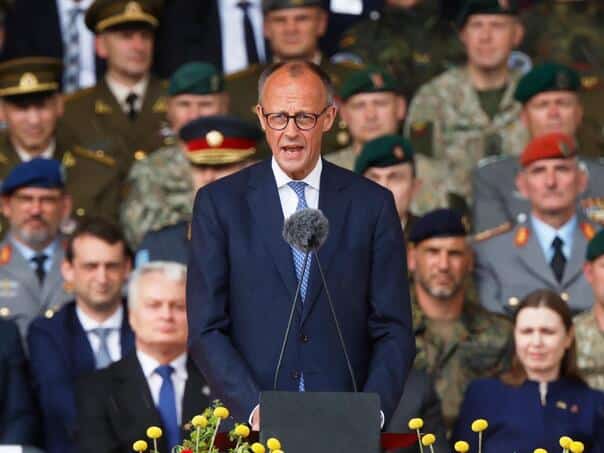
“We will participate in monitoring the ceasefire and strengthening Ukraine, which could include the deployment of forces in NATO’s neighboring countries after the ceasefire,” Merz said. In other words, German troops will not enter Ukraine like British and French troops in a hypothetical peacekeeping mission, reports Index.
This reticence is surprising for the chancellor who has previously announced that Germany is returning as the leading security power in Europe. Under his leadership, Germany has increased investment in the military and is building “the strongest conventional military” on the continent.
The main reason for caution lies in Germany’s domestic politics and constitutional restrictions: any deployment of troops abroad requires the approval of the Bundestag. Given the thin parliamentary majority, the proposal to deploy the army even to neighboring countries carries a political risk, and the departure of troops to Ukraine would almost certainly be rejected.
The SPD, a key coalition partner, is traditionally wary of Russian provocations. Even within Merz’s CDU there are currents that oppose the risk of conflict with Russia. Therefore, the option of deploying troops to NATO’s neighboring countries, such as Poland, is more realistic and has a better chance of passing in the Bundestag.
In addition, there is doubt that the current US peace plan towards Ukraine will not succeed. European leaders, led by Britain and France, believe that Putin is not negotiating honestly, and hope is placed in the American president that he will introduce sanctions and provide military support to Kiev.
(Vijesti.ba)


