While the conflicts in the Middle East and Ukraine do not subside, the energy market reacts violently and unpredictably.
Energy expert, Nihad Harbaš, analyzed the causes of the current fluctuations in the world market and warned about the long-term consequences for citizens’ pockets, he writes. TVSA.
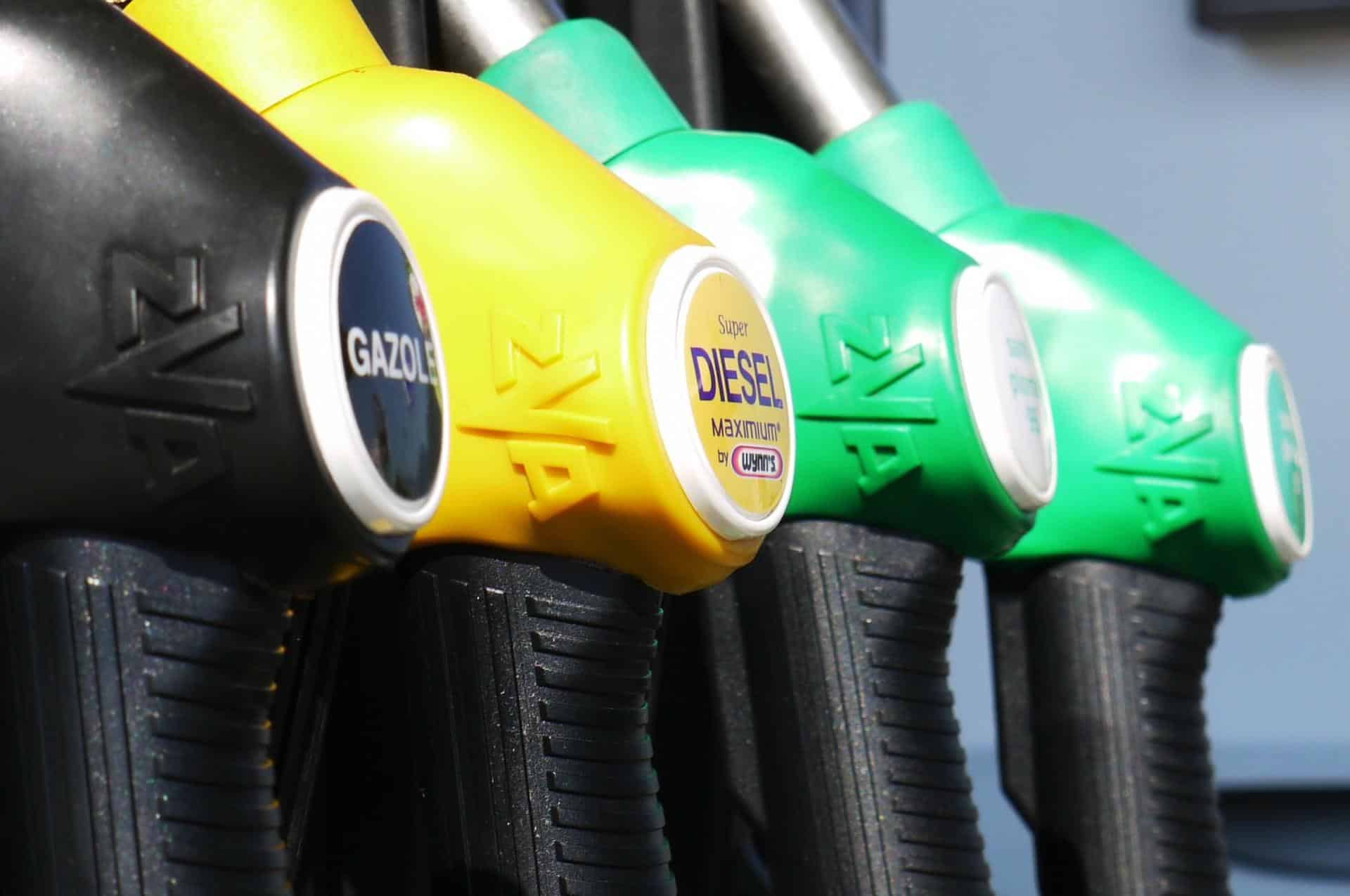
Oil prices on the world market in recent days resemble a “rollercoaster”. In just one day we witness a 10% drop, followed by a rapid recovery and growth. Although the oil we consume today is contracted and paid for months in advance through the so-called futures contracts, current events dictate an atmosphere of fear that directly spills over to gas stations.
According to Nihad Harbaš, the key factor of instability is the fear of what tomorrow brings.
The price of crude oil jumped from 70 to over 110 dollars, and forecasts indicate the possibility of growth up to 140 dollars per barrel, which would represent a historical record. Conflicts in the Middle East directly threaten the Strait of Hormuz and production in the Gulf countries (United Arab Emirates, Kuwait, Saudi Arabia, Qatar), which account for 30% of world oil and gas production.
The problem is not only fuel. Harbaš warns of a “chain reaction” – when the price of transportation rises, the prices of basic foodstuffs, such as peanuts or cigarettes, rise, and these prices rarely return to their old levels even when oil becomes cheaper.
The current situation on the global power map brings new winners and losers. While the Western bloc suffers the pressure of the energy crisis, the East seizes the opportunity to strengthen.
“Iran is not a ‘little kitty’ and will certainly retaliate. Conflicts will not stop quickly, and that means switching to new, alternative supply routes,” Harbaš points out.
In this context, China emerges as the biggest winner. As the fastest growing economy, China is taking over volumes of oil and gas that previously went to Europe, especially from Russia. With Iran, which has the fourth largest oil reserves in the world, and Venezuela’s potential as the country with the largest reserves, the Eastern bloc creates a strong counterbalance to the Western powers.
The forecasts for ordinary citizens are not optimistic. With a 50 to 60% increase in pump prices already present, further instability is expected. With the conflicts in Ukraine and the Middle East showing no signs of ending soon, energy uncertainty will become our new everyday life.
The bottom line is clear: as major powers compete for geopolitical supremacy and control of resources, consumers pay the bottom line through higher bills and higher living costs.