
In the coming period, Bosnia and Herzegovina could face increased migrant pressure due to new rules introduced by the European Union in the field of illegal migration.
Although the current situation on the ground is assessed as stable, the announced changes in the European migration policy raise the question of whether Bosnia and Herzegovina will once again become one of the main “collection points” for migrants who fail to exercise their right of residence in EU countries.
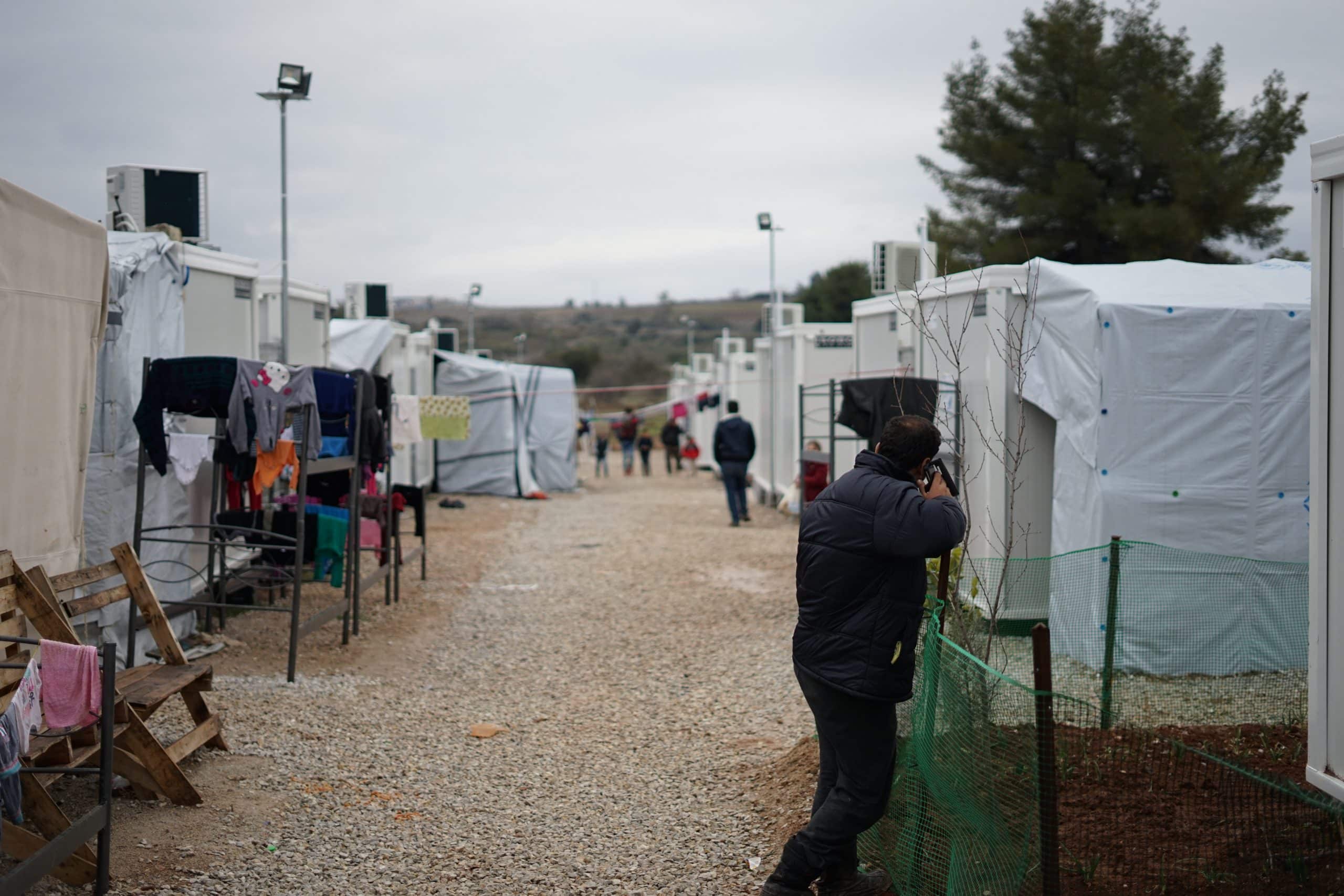
About 950 migrants are currently staying in the reception centers in Bosnia and Herzegovina, while the total capacity of the camps provides accommodation for about 3,500 people. After the closure of the Borići camp in Bihać, the public is focused on the future of the camp in Blažuj near Sarajevo, whose relocation is announced due to security and infrastructure reasons, but without clear information about the location to which it would be transferred.
A number of communities, especially those who have lived near migrant centers for years, point to problems that have arisen before, including disruption of public order, environmental pollution and a sense of insecurity.
According to official data, more than 10,000 illegal migrants were registered in Bosnia and Herzegovina this year, with the largest number coming from Afghanistan, with a noticeable increase in the number of migrants from Egypt. At the same time, work is being done on the transition plan for the management of migrant camps, which would gradually transfer responsibility from international organizations to domestic institutions.
At the same time, the European Union is preparing new regulations that allow member states a stricter approach to migration, including faster returns of people who do not have the right to stay, joint recognition of deportation decisions and the possibility of concluding special agreements with third countries. These measures aim to reduce the number of migrants in the EU, but at the same time increase the pressure on the countries located on the migration routes.
For Bosnia and Herzegovina, this means a real danger of becoming a long-term transit, but also a “detention” zone for migrants who are prevented from entering or staying in the European Union. Of particular concern is the possibility that member states reject requests for asylum if the migrant has previously passed through a country where he could request protection, which puts BiH at a disadvantage.
Although mass arrivals have not been recorded so far, experts warn that without a clear strategy, strengthening of institutional capacity and support from the EU, Bosnia and Herzegovina could once again enter the phase of a serious migrant crisis, with consequences that would be most felt by local communities and the state’s security system, reports N1.