
More than 200,000 girls in Bosnia and Herzegovina aged 13 to 25 are faced with menstrual poverty, that is, they do not have adequate access to menstrual products and information about menstrual health, which is why the project “From the bench to the law – for accessible menstrual health” was launched.
As announced by the association JaBiHEU, menstrual poverty is a serious, but still insufficiently recognized public health and social problem that affects the health, dignity, education and daily participation of girls in society.
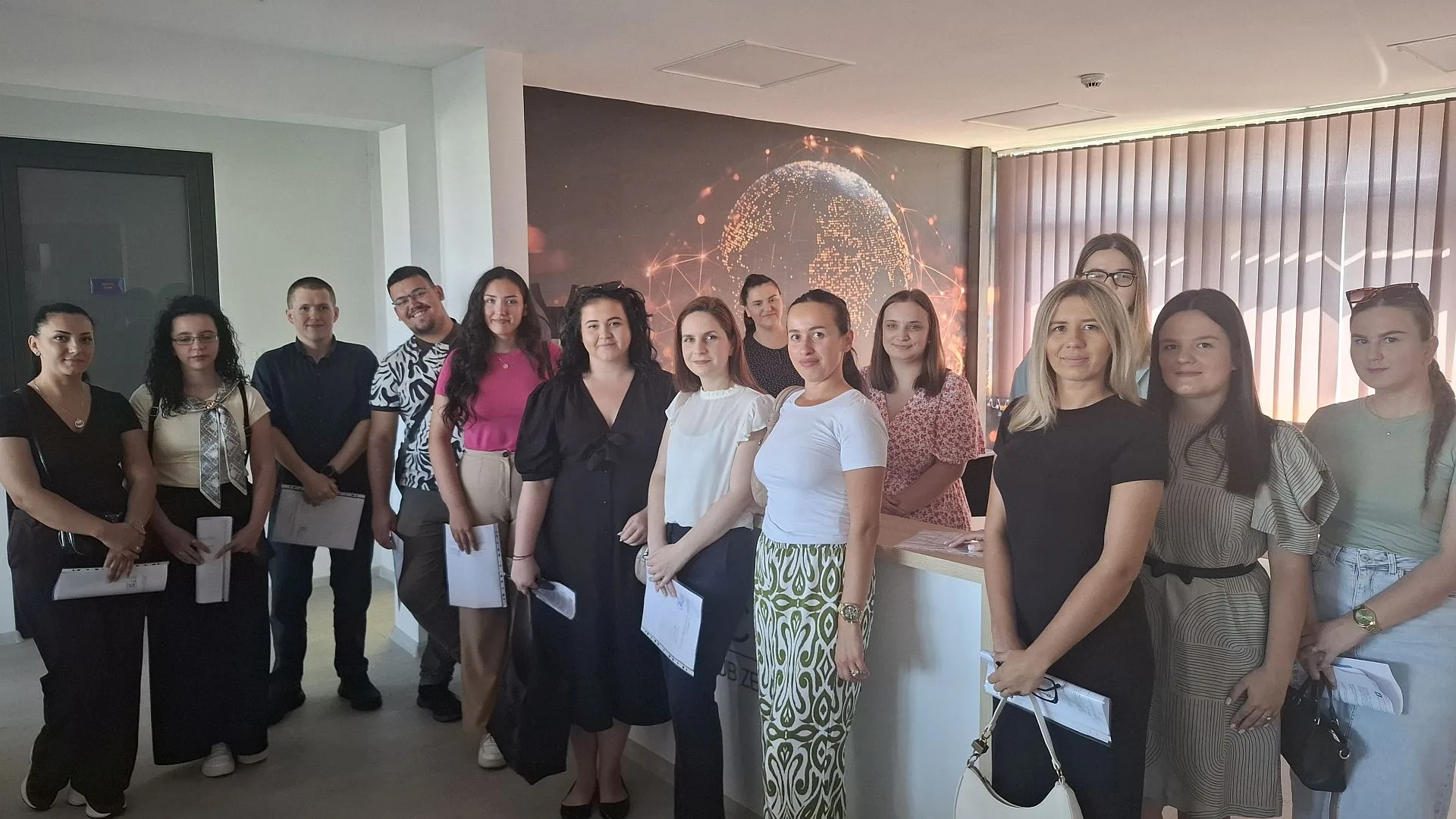
As part of the project, the first informative and educational activities have already been carried out, in which about 300 citizens were involved, and through discussions on the ground, the issues of access to basic hygiene necessities and the social stigma that accompanies menstruation were opened.
The organization states that menstrual poverty is not only a matter of personal hygiene, but also a matter of dignity, gender equality and equal opportunities, and warns that some girls, due to financial constraints, prolong the use of hygiene products longer than recommended.
dr. Erna Džinić Ahmić from the Konjic Health Center, who participated in the educational activities of the project, pointed out that education and open conversation are key to improving menstrual health and breaking taboos.
Participating in this project for me was much more than the role of an educator, it is an opportunity to contribute to raising awareness of a topic that directly affects the health and dignity of young people. Working with the participants clearly shows how important education and open conversation are for a society in which menstrual health is no longer a taboo – said Džinić Ahmić.
The project manager of the JaBiHEU association, Lara Sutović, emphasized that the goal of the project is to ensure that menstrual health becomes part of public policies, the budget and the education system.
“Menstrual health must become part of public policies, budgets and the education system. This is not an individual problem, this is a matter of social responsibility,” said Sutović.
In the coming period, street actions, information campaigns in shopping centers and a pilot project in secondary schools throughout Bosnia and Herzegovina are planned. The project team also announced initiatives towards competent institutions with the aim of including menstrual health in strategic documents and securing budget funds for free menstrual products in schools, it was also announced in the JaBiHEU Association, writes Radio Sarajevo.