
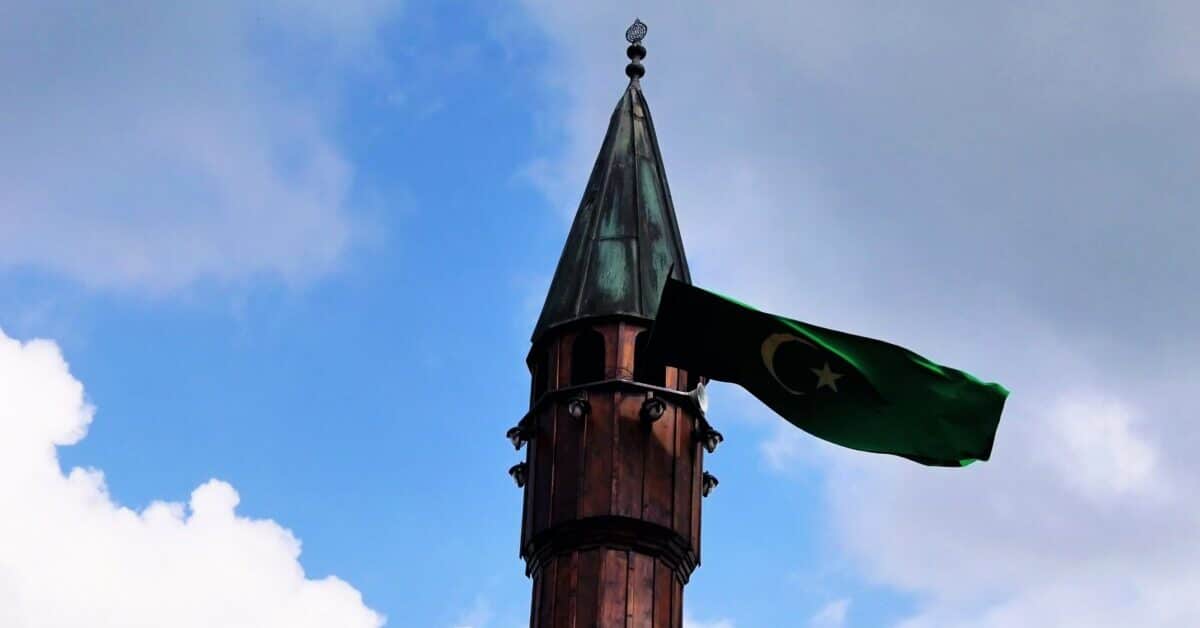
In Bosnia and Herzegovina, May 7 is celebrated as the Day of Mosques, which symbolically reminds us of the demolition of numerous mosques and other waqf buildings during the aggression against RBiH in 1992-1995, linking the fate of BiH. the mosque with the victims and the fate of Bosniaks.
Another reason why the Day of Mosques is celebrated on this date is that on May 7, 1993, in the midst of the aggression against RBiH, Serbian military forces mined and demolished the Ferhadija Mosque in Banja Luka to the ground, even though it was included in the list of cultural heritage of Bosnia and Herzegovina in 1950, and thus protected from devastation. Also on this day, 23 years after its demolition, in 2016, the restored Ferhadija was opened to the faithful. This mosque was built in 1579 by Ferhad Paša Sokolović, the Bosnian sandjak-bey, who ruled northern Bosnia at the time.
Symbols of peace
Mosques are places where Muslims gather for communal prayer, education and other religious events. The word mosque is of Arabic origin and means: to assemble, connect, collect, (re)put together, and the word congregation has a similar meaning.
With the arrival of the Ottomans in Bosnia and Herzegovina, in the middle of the 15th century, the construction of mosques in our cities began, the most important Islamic, but also historical monuments in our country, which with their architecture show the culture of the period in which they were built. After conquering a certain place, the Ottomans founded a new city, first by building mosques around which the settlement spread. Today, there are more than 1,900 of them in our country, and with their monumentality, beauty and specificity, they represent symbols of peace and postcards of Bosnian cities.
Architecture of mosques
The specificity of the architecture of mosques consists of a round central space above which rises one or more minarets, from which the muezzin calls the faithful to pray, then a harem, i.e. a fenced yard with fountains (šadrvan) for ablution, which often contains turbets with the graves of waqifs and prominent Muslims.
Mosques are decorated with a simple interior. The floor is covered with carpets, and on the wall opposite the main entrance is a mihrab, a decorated recess in the wall facing the direction of Mecca, in front of which the imam teaches. Near the mihrab is a mimber, an elevated place for sermons, made of carved wood or stone. The ceiling of the mosque is decorated with Arabic mosaic ornaments, from which hangs a large, mostly crystal chandelier. The oldest mosques in Bosnia and Herzegovina were built in the 15th century, and the most beautiful in the 16th century. These grandiose and dignified cultural monuments have withstood the test of time for centuries, enchanting with their beauty and filling every visitor with peace, reports Avaz.


