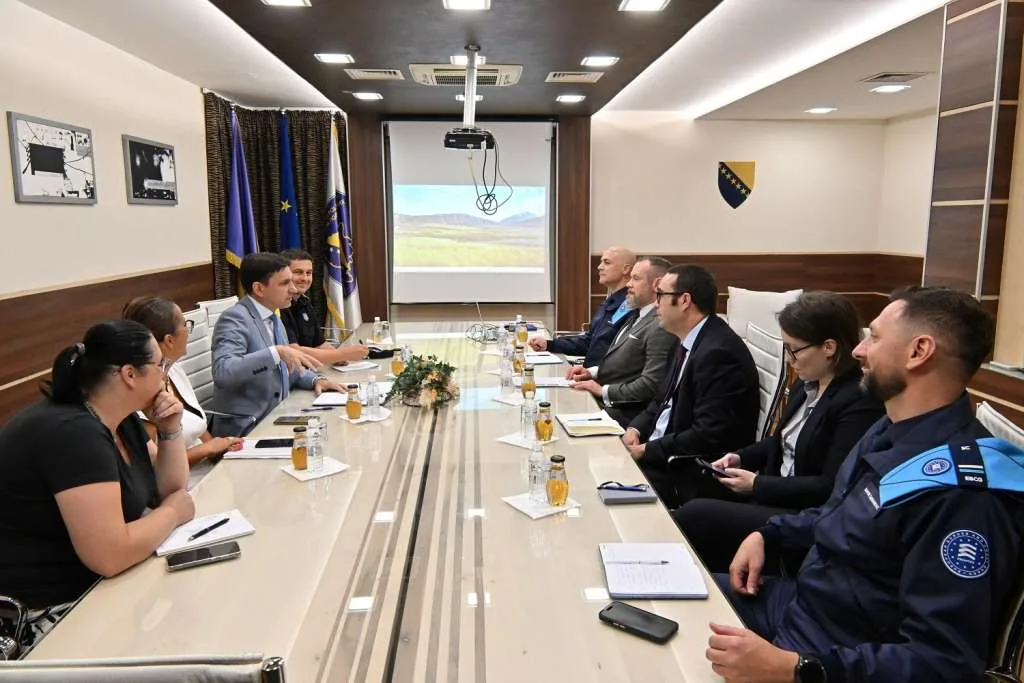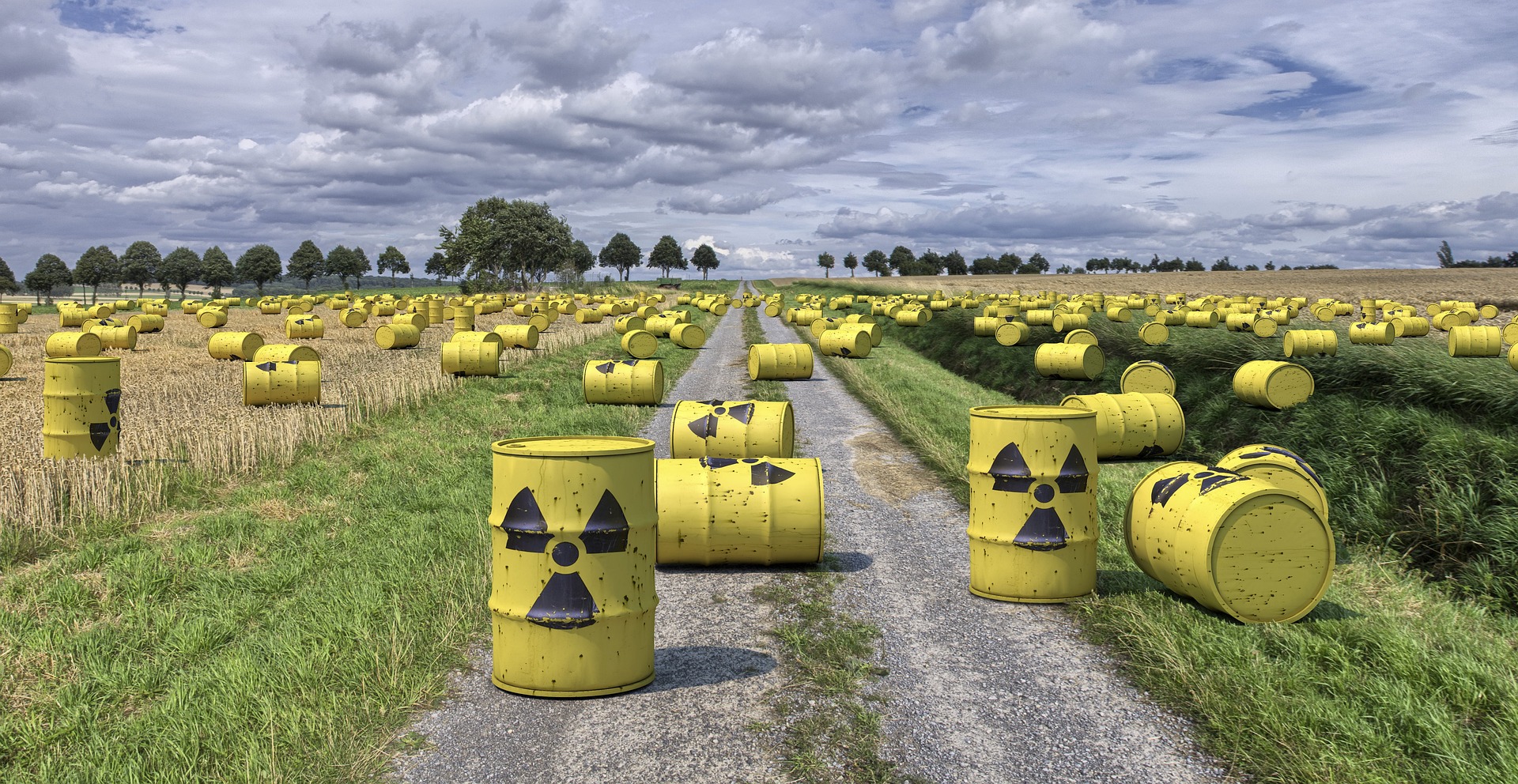
Trgovska gora is once again in the focus of the institutions of Bosnia and Herzegovina after the previous activities and next steps in the fight against Croatia’s plan to build a radioactive and nuclear waste disposal site at the Čerkezovac location, right next to the border with Bosnia and Herzegovina, were presented in Novi Grad. The message from the meeting was clear, opposition to this project remains the unique position of institutions, local communities and the professional public in Bosnia and Herzegovina.
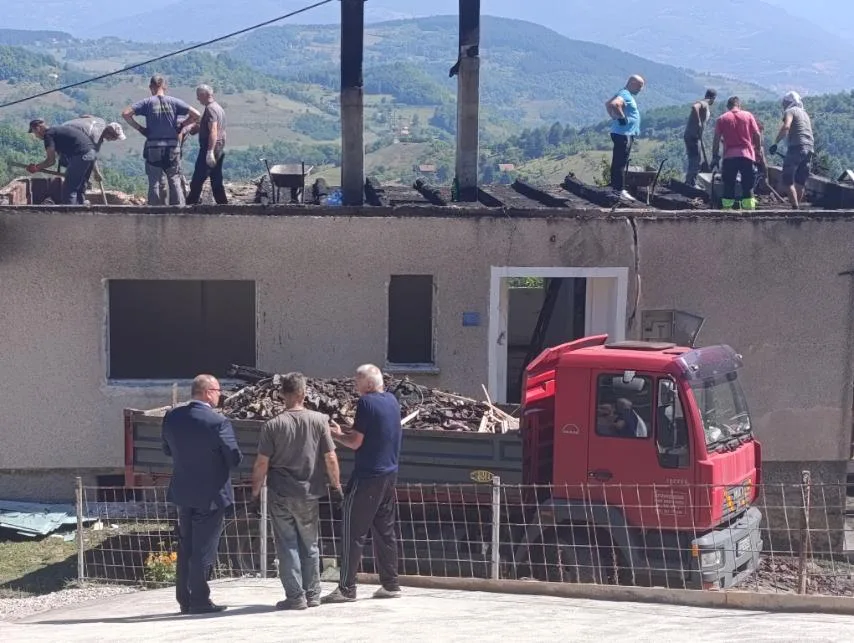
Representatives of institutions and expert teams warned that Croatia is already carrying out certain works in the area of Trgovska Gora, including the demolition of existing buildings and leveling of the terrain, which BiH consider premature moves that prejudice the outcome of the environmental impact study. It was also pointed out that Bosnia and Herzegovina, although an endangered country, is still waiting to receive an official study so that local experts can analyze it in detail and dispute it with arguments.
The Minister of Spatial Planning, Construction and Ecology of Republika Srpska, Bojan Vipotnik, said that Bosnia and Herzegovina and Croatia received 180 questions as part of the procedure before the Espoo Convention, and that a discussion in Geneva is expected in the first half of May. He stated that, in addition to activities under the Espoo Convention, petitions under the Aarhus, Berne and Helsinki Conventions were submitted and argued, all with the aim of protecting the rights of Bosnia and Herzegovina and contesting the choice of the Čerkezovac location for the nuclear facility.
According to the information presented, the field research has been completed, and the laboratory analysis is coming to an end, which, as BiH claims. side, additionally confirm that the location on Trgovska gora does not meet the conditions for the construction of such a facility. Those results will not be made public for the time being, so that they would not be used by the Croatian side before the official proceedings. The academic community, universities, geological and meteorological institutes, as well as relevant ministries from the Republic of Srpska and the Federation of Bosnia and Herzegovina were also involved in the preparation of the argumentation.
The coordinator of the legal and expert team, Borislav Bojić, said that Bosnia and Herzegovina has sufficient capacity to respond to the next challenges, primarily the analysis of the environmental impact study and the presentation before international bodies. Croatia is expected to facilitate public discussions on the territory of BiH, and among the proposals is that they be organized in several municipalities and cities of the affected area, including Novi Grad, Kostajnica, Dubica, Prijedor, Sanski Most, Krupa and Bihać.
It was announced from the meeting that the Parliamentary Assembly of Bosnia and Herzegovina adopted a resolution against the construction of a landfill on Trgovska Gora in 2016, thus confirming the unique political position of Bosnia and Herzegovina. The participants emphasized that this issue goes beyond politics and that it is about protecting life, health, the environment and the future of the entire region along the Una River. Trgovska gora, as it was said, remains a red line that Bosnia and Herzegovina must not cross.
Representatives of civil society and local communities warned that the fight is not over yet, but they pointed out that there is reason for cautious optimism due to the coordination of institutions, the scientific community and international activities so far. If there is no agreement and if the Croatian side continues with the procedures, in BiH they believe that the next step will have to be the initiation of a lawsuit before the competent courts in order to permanently exclude the location of Trgovska gora from plans for the disposal of radioactive waste.