
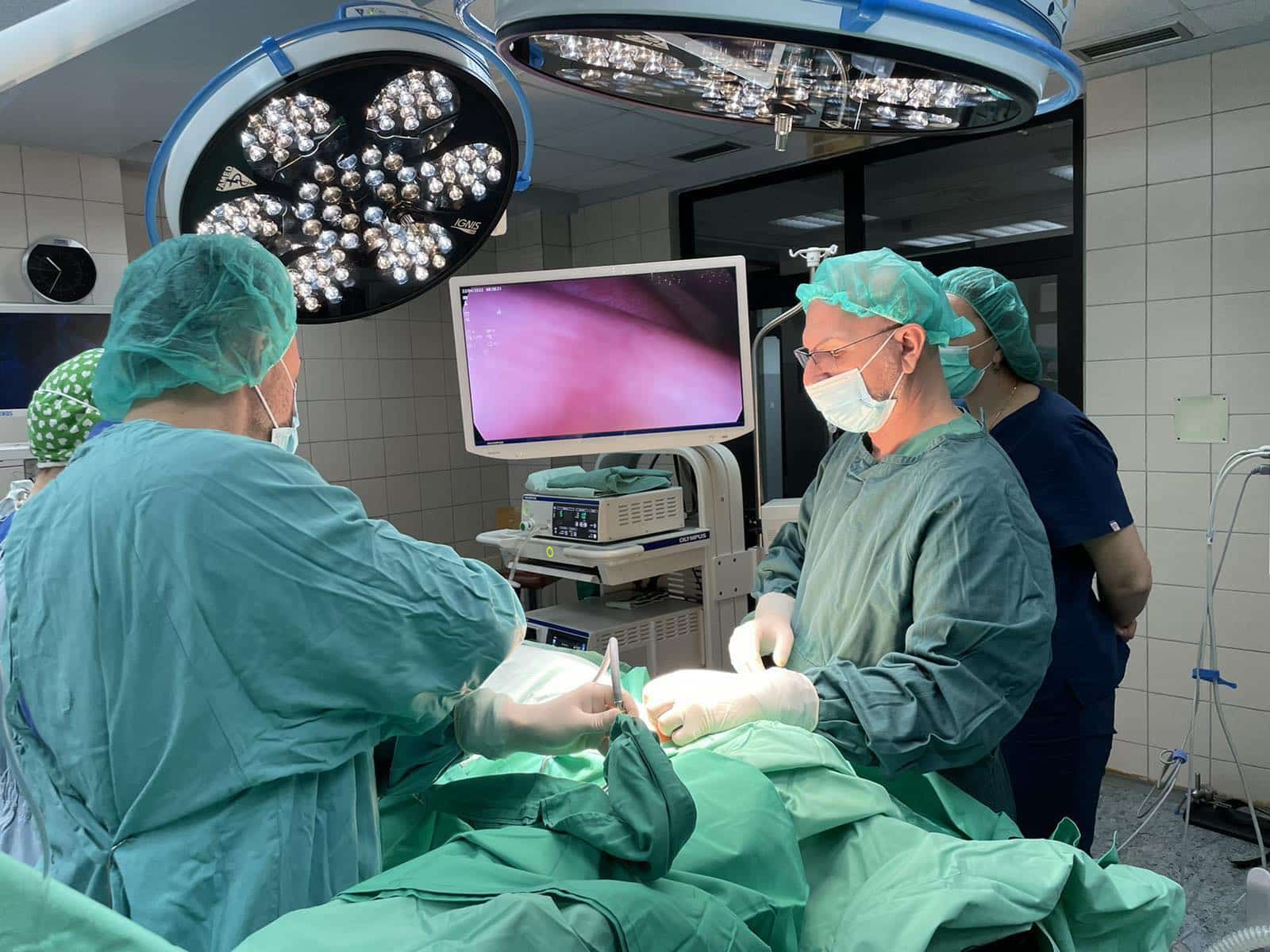
In the moment, Bosnia and Herzegovina does not currently have a fully developed nor sustainable organization and body transplantation system – one of the European Union experts engaged through the TAIEX technical assistance instrument, under the auspices of the European Commission.
In order for BiH citizens to have equal treatment opportunities as well as citizens of Member States of the European Union, it is necessary to harmonize domestic legislation with European Union standards.
The report is the result of the European Union Delegation Initiative in Bosnia and Herzegovina, with the support of the BiH Ministry of Civil Affairs and the competent health institutions of the Federation of BiH and the Republika Srpska. Given the European Council’s recommendation on the opening of accession talks, the analysis of the existing legal framework is the first step in determining the situation in which BiH is in relation to EU requirements. The first phase of the “screening” negotiations includes a systematic overview of legislation, policies and institutional capacities of the candidate state in relation to the legal acquisition of the European Union. The main goal of “Screening” is to determine the differences between the legal system of the EU candidate and the EU legal system.
Although health is under the jurisdiction of the entities, the Canton and Brčko District of BiH, the BiH Ministry of Civil Affairs has initiated a coordinated process with the aim of creating the foundation for joining Eurotransplant. Namely, the BiH Ministry of Civil Affairs, with the support of the competent entity ministries, initiated activities on the basis of which BiH expressed the intention of joining Eurotransplant. This has begun a comprehensive process aimed at opening the door to international cooperation in the field of transplant medicine.
According to European experts, the entity laws related to transplants are not harmonized, which makes it difficult to work and can lead to an unequal approach to patients. The report emphasizes the importance of harmonizing the rules on the informed consent to bodies, the standards of confirmation of brain death, measures for the Protection of the Organ and the guidance of the unique waiting lists. Some legal elements, especially in terms of security and quality of donation and transplant procedures, are also not fully aligned with European legislation.
Engaged experts therefore recommend adoption of laws in BiH to ensure compliance with the relevant EU directives. Such a law should precisely regulate the procedure of informed consent for bodies, criteria and protocols to determine the brain death, bodies of bodies, transparent rules of the bodies of ethical principles based on internationally recognized standards.
Among key recommendations is the establishment of a single digital registry for the informed consent of bodies, as well as the formation of a special transplant organization, which would coordinate all activities – from the Donor Identification, through the bodies of bodies. It is also recommended to introduce regular inspections and audits in hospitals and transplant centers, with clearly defined roles of professionals involved in the process.
The report proposes that Bosnia and Herzegovina introduce a system of financing in which all expenses related to the organizations would be covered, so donors and their families do not bear any costs. The costs of the transplantation itself would take over hospitals treating patients through existing health insurance funds. In this way, it would be ensured that no one is deprived of treatment for financial reasons, and the entire system would be just and sustainable.
Also, experts in the report state that Bosnia and Herzegovina can learn a lot from the positive experiences of countries such as Croatia, Spain and Portugal. These states have managed to develop successful bodies of donating and bodies thanks to clear and precise laws, as well as well-regulated cooperation between all competent institutions – from the Ministries of Health and Coordination Centers. Just such an approach – in which everyone knows their responsibilities and act in the same rules – proved to be key to rescue a number of life.
BiH has potential – a more powerful engagement of entity health authorities
The report emphasizes that Bosnia and Herzegovina has the potential to build a quality and fair system of donating and body transplantation. But in order to achieve this, it is necessary to adopt a legislation that will be harmonized with the rules and values on which the health system of the European Union countries is based.
“The BiH Ministry of Civil Affairs will continue to actively coordinate the process and provide professional and organizational health authorities. However, the competent entity healthcare is necessary to create a system that will give citizens to new life. Fulfunning of these recommendations, Bosnia and Herzegovina a clear message that health does not have a price, and European standards become a measure of any future reform in this area “, She told Minister of Civil Affairs Dubravka Bosniak.
In the moment, Bosnia and Herzegovina does not currently have a fully developed nor sustainable organization and body transplantation system – one of the European Union experts engaged through the TAIEX technical assistance instrument, under the auspices of the European Commission. In order for BiH citizens to have equal treatment opportunities as well as citizens of Member States of the European Union, it is necessary to harmonize domestic legislation with European Union standards.
The report is the result of the European Union Delegation Initiative in Bosnia and Herzegovina, with the support of the BiH Ministry of Civil Affairs and the competent health institutions of the Federation of BiH and the Republika Srpska. Given the European Council’s recommendation on the opening of accession talks, the analysis of the existing legal framework is the first step in determining the situation in which BiH is in relation to EU requirements. The first phase of the “screening” negotiations includes a systematic overview of legislation, policies and institutional capacities of the candidate state in relation to the legal acquisition of the European Union. The main goal of “Screening” is to determine the differences between the legal system of the EU candidate and the EU legal system.
Although health is under the jurisdiction of the entities, the Canton and Brčko District of BiH, the BiH Ministry of Civil Affairs has initiated a coordinated process with the aim of creating the foundation for joining Eurotransplant. Namely, the BiH Ministry of Civil Affairs, with the support of the competent entity ministries, initiated activities on the basis of which BiH expressed the intention of joining Eurotransplant. This has begun a comprehensive process aimed at opening the door to international cooperation in the field of transplant medicine.
According to European experts, the entity laws related to transplants are not harmonized, which makes it difficult to work and can lead to an unequal approach to patients. The report emphasizes the importance of harmonizing the rules on the informed consent to bodies, the standards of confirmation of brain death, measures for the Protection of the Organ and the guidance of the unique waiting lists. Some legal elements, especially in terms of security and quality of donation and transplant procedures, are also not fully aligned with European legislation.
Engaged experts therefore recommend adoption of laws in BiH to ensure compliance with the relevant EU directives. Such a law should precisely regulate the procedure of informed consent for bodies, criteria and protocols to determine the brain death, bodies of bodies, transparent rules of the bodies of ethical principles based on internationally recognized standards.
Among key recommendations is the establishment of a single digital registry for the informed consent of bodies, as well as the formation of a special transplant organization, which would coordinate all activities – from the Donor Identification, through the bodies of bodies. It is also recommended to introduce regular inspections and audits in hospitals and transplant centers, with clearly defined roles of professionals involved in the process.
The report proposes that Bosnia and Herzegovina introduce a system of financing in which all expenses related to the organizations would be covered, so donors and their families do not bear any costs. The costs of the transplantation itself would take over hospitals treating patients through existing health insurance funds. In this way, it would be ensured that no one is deprived of treatment for financial reasons, and the entire system would be just and sustainable.
Also, experts in the report state that Bosnia and Herzegovina can learn a lot from the positive experiences of countries such as Croatia, Spain and Portugal. These states have managed to develop successful bodies of donating and bodies thanks to clear and precise laws, as well as well-regulated cooperation between all competent institutions – from the Ministries of Health and Coordination Centers. Just such an approach – in which everyone knows their responsibilities and act in the same rules – proved to be key to rescue a number of life.
BiH has potential – a more powerful engagement of entity health authorities
The report emphasizes that Bosnia and Herzegovina has the potential to build a quality and fair system of donating and body transplantation. But in order to achieve this, it is necessary to adopt a legislation that will be harmonized with the rules and values on which the health system of the European Union countries is based.
“The BiH Ministry of Civil Affairs will continue to actively coordinate the process and provide professional and organizational health authorities. However, the competent entity healthcare is necessary to create a system that will give citizens to new life. Fulfunning of these recommendations, Bosnia and Herzegovina a clear message that health does not have a price, and European standards become a measure of any future reform in this area “, She told Minister of Civil Affairs Dubravka Bosniak.


