
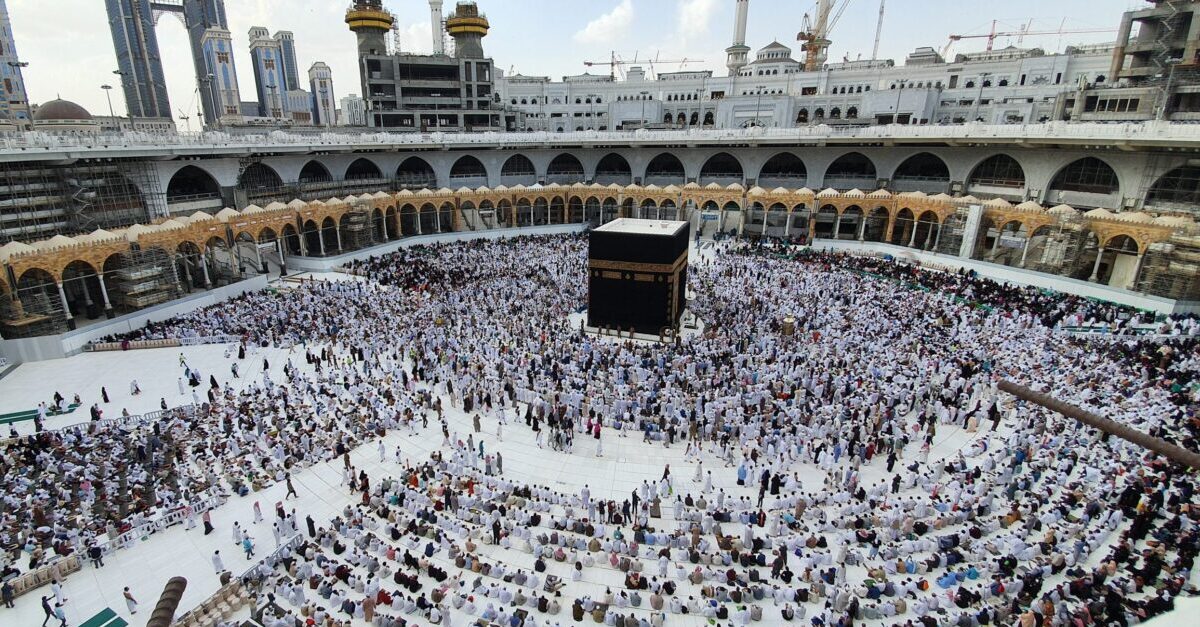
According to the Takvim of the Rijaset of the Islamic Community in Bosnia and Herzegovina, the 9th of Zul-Hijja, that is, Jevmu-Arefa falls, tomorrow, Tuesday, May 26, and that is the day when all Hajj pilgrims, regardless of who they are and where they are from, must stay on Arefat.
Arafat is a plateau fifteen kilometers from the holy city of Mecca and the place of the central rite of the Muslim pilgrimage (wuquf or standing on ‘Arafat), where pilgrims spend the whole day in worship.
Staying at Arefat is the central Hajj ritual and the main component of the Hajj ritual.
Arefat is the place to which the 9th of Dhu al-Hijjat provides the closest and most similar image of the Day of Judgment. Namely, several million pilgrims in the same clothes as on the Day of Judgment, in white ihrams, are facing the hill of God’s mercy – Jebel Rahmat and all day they mention, praise and glorify and pray to the Most High, Allah, the Exalted. Arefat is the place where the most takbeer, telbi and prayers are studied in one day.
Fasting on the day of Arefat atones for sins committed in the previous and next year.
The Prophet, peace be upon him, said: “There is no day on which Allah frees more people from the Fire than the day of Arafat. He approaches and boasts to His angels: ‘What do these want?’ ”
From the Sabah farz on the day of Arefat, the recitation of takbiri-teshrik begins, announced the Directorate for Religious Affairs of the Rijaset of the Islamic Community in Bosnia and Herzegovina.
This takbeer continues to be recited after every Farz prayer until after the Asr Farz on the fourth day of Eid al-Adha. Learning this takbiri-tashrik is wajib in our madhhab. This means that we should recite: Allahu akbar, Allahu akbar, la ilaha illallahu wallahu akbar, Allahu akbaru wa lillahil-hamd”, after every fard prayer from the Day of Arafat after the fard Fajr prayer until the fourth day of Eid al-Adha, concluding with the Asr prayer.
The Messenger of Allah delivered his famous speech at the Farewell Hajj when he arrived at Arafat before noon. For Muslims, that farewell speech is a kind of charter on universal obligations and human rights.
Standing on Arefat is a kind of anticipation of Judgment Day, but also the largest mass gathering of representatives of Muslims from all over the world. Although they have different languages, skin color, origin, culture and geographical areas from which they come, at Arefat all the hajjis share unique beliefs, feelings, wishes and prayers, he writes. Report.