
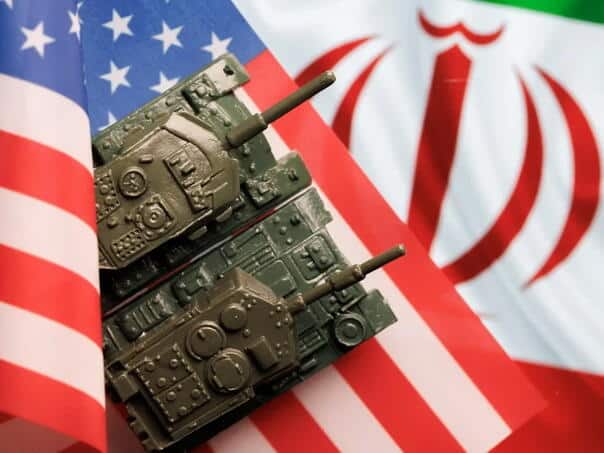
A review of corporate announcements by companies listed on stock exchanges in the United States, Europe and Asia since the beginning of the conflict paints a worrying picture of the war’s consequences. Companies face soaring energy prices, disrupted supply chains and disruptions to trade routes due to Iran’s control of the Strait of Hormuz.
The analysis shows that at least 279 companies cited the war as a reason for taking protective measures to mitigate financial losses, including price increases and production cuts. Other companies have suspended dividend payments or bought back their own shares, sent workers on temporary leave, introduced additional fuel surcharges or requested emergency government assistance.
The disruption – the latest in a series of major global crises for the business sector following the COVID-19 pandemic and Russia’s invasion of Ukraine – is dampening expectations for the rest of the year, with no clear signs of an imminent deal to end the conflict.
“This level of industry decline is similar to what we saw during the global financial crisis, and even greater than during other recessionary periods,” Whirlpool Corporation CEO Marc Bitzer said after the company cut its annual operating forecast in half and suspended dividend payments.
Analysts warn that as growth slows, companies will have less room to raise prices, while fixed costs will be harder to cover, threatening profit margins in the second quarter and beyond. Prolonged price increases could further fuel inflation and weaken already fragile consumer confidence.
– Consumers postpone the purchase of new products and prefer to repair existing ones – said Bitzer.
Iran’s blockade of the Strait of Hormuz, the world’s most important energy transit point, has pushed oil prices above $100 a barrel, more than 50 percent above pre-war levels.
The closure of this passage increased transport costs, reduced the availability of raw materials and cut off key trade routes for the flow of goods. Deliveries of fertilizers, helium, aluminum, polyethylene and other important raw materials were particularly affected.
A fifth of the companies surveyed, which make everything from cosmetics, tires and detergents to cruise services and airlines, reported financial losses related to the war.
Most of the affected companies came from the UK and Europe, where energy costs were already high, while almost a third came from Asia, reflecting those regions’ heavy dependence on Middle Eastern oil and fuel.
Airlines are taking the lion’s share of the estimated war-related costs, nearly $15 billion, as jet fuel prices have nearly doubled.
Nearly 40 companies from the industrial, chemical and raw materials sectors said they would increase prices due to their dependence on petrochemical products from the Middle East.
(Vijesti.ba / FENA)



Chat readers
Join the discussion