
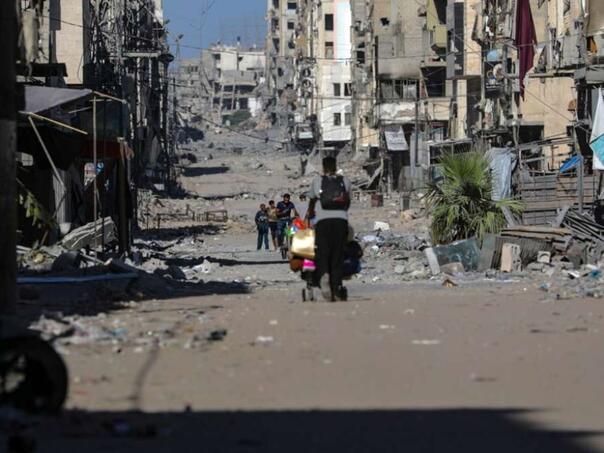
As Muslims around the world prepare for the Hajj and Eid al-Adha, Gazans face restrictions on movement and livestock shortages, denying them the opportunity to mark the holiday in the traditional way for the third year in a row.
In a tented settlement in Khan Younis, Najia Abu Lehia mourns not only the death of her husband but also the fact that they were unable to perform Hajj together before he passed away.
– We registered and our names were on the list, but the war stopped everything. I am afraid that I will die without performing the Hajj – said Abu Lehia.
Before the outbreak of war between Israel and Hamas in 2023, at least 3,000 Palestinians from Gaza went on the hajj every year. Although a truce was signed in October, which raised hopes for the resumption of travel, strict restrictions on movement continue to prevent the pilgrimage.
The Rafah crossing to Egypt, Gaza’s main exit point, is only partially open, and passage is allowed mainly to the sick and their companions.
Israel’s COGAT agency says the Rafah agreement allows passage only for humanitarian cases, while the Hamas government claims only 5,304 people have passed since February, less than a third of the expected number.
At the same time, Gaza will celebrate Eid al-Adha without sacrificing animals on May 27, because, according to the Ministry of Agriculture, the Israeli military campaign since October 2023 has led to the systematic destruction of the livestock sector.
Before the war, Gaza imported between 10,000 and 20,000 calves and 30,000 to 40,000 sheep per season.
COGAT claims that the import of meat, poultry, eggs and dairy products, almost 8,000 tons in the past month, is being facilitated, but not live animals. Hamas, on the other hand, states that the amount of aid has fallen to a quarter of what was expected, despite calls from the United Nations for unhindered access to humanitarian aid.
(Vijesti.ba/Fena)



Chat readers
Join the discussion