
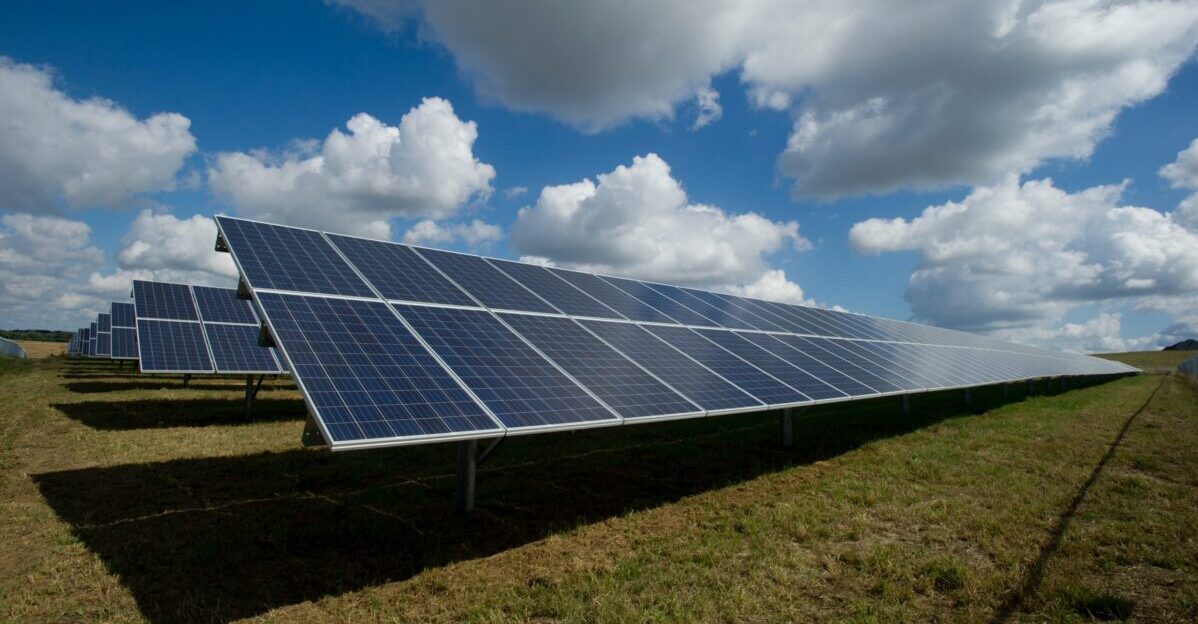
Solar panels are an increasingly common topic in the region and the world. Although there are many benefits of their use, in our country bureaucratic obstacles still hinder implementation and energy transition.
Models of civic association and investment in solar power plants are already functioning in the region, with the aim of mutual benefit. Energy cooperatives show that joint ventures can bring savings and a cleaner way of producing energy.
“We managed to build a power plant at the city company’s entrepreneurship center and another one at the city library. The citizens joined together and chose that model. Bill reduction for those city companies where the power plant was installed, and the citizens have a financial benefit, bill reduction,” says Hrvoje Seleš, KLIK ENERGETSKA ZADRUGA KRIŽEVCI CROATIA.
Lower electricity bills make it easier to switch to more efficient heating, which is especially important during the winter when cities struggle with smog and poor air quality.
“Mostly it is a monetary benefit. You cannot heat with solar panels, because in the winter season there is less sun and you cannot replace heating sources, but you can drastically reduce your electricity bills and this would mean that you can heat yourself with a heat pump, which is the best possible way of heating, a source of heat in our region”, explains Anes Podić from EKO AKCIJA.
“Using energy sources emits CO2, so CO2 emissions are automatically reduced and we give a message to young people in schools, health institutions, young people that they can be environmentally responsible”, claims Darko Knezović, EXPERT ADVISOR FOR ENERGY EFFICIENCY MOSTAR.
In order for citizens to become more involved, incentives are also important, especially for households that cannot finance the installation of solar panels on their own. The new law in FBiH brings the possibility for prosumers, i.e. buyers and producers, to receive concrete support.
“We will be an institution that will financially support prosumer plants, in a way that we will co-finance prosumer plants of natural persons with a power of up to 10.8 kW, as we also plan to fully finance prosumer plants for those citizens who are in a state of social need”, points out Almir Muhamedbegović – OPERATOR FOR RENEWABLE ENERGY SOURCES.
Although incentives are coming, the complicated joining procedure is still the biggest obstacle. Instead of a simple application, citizens face a series of technical checks, commissions and additional costs.
“The problem is the connection process, a procedure that was not adopted as simplified. In order to place the power plant on the roof, one must go through a complete, full procedure, test work, parallel work with the system, control, commission, a lot of time and costs, and in this way the application of the law and that by-law is impossible”, explains lawyer Saša Savičić.
If procedures are simplified and incentives come to life, citizen energy could soon become our everyday life, with lower bills and cleaner air. The sun is here and it’s free, citizens just need to be allowed to use it, he writes Zenicablog.


